Place name in Japanese: 愛知, Aichi.
Aichi
Who this is for and the short version
This page is for readers planning a first look at Aichi, with Nagoya as the likely base and a handful of named places around it.
Nagoya is reached by Shinkansen in 1 hour 40 minutes from Tokyo, according to the Japan National Tourism Organization (JNTO).
Aichi has two airports, with Nagoya Airport mainly serving domestic flights and Centrair serving international flights, as JNTO describes them (JNTO).
The seven places below are ones that official sources name and describe; opening hours and closing days should be checked again with each owner before you travel.
Getting there and around
From Kyoto the Shinkansen takes 35 minutes to Nagoya, and from Osaka it takes 50 minutes (JNTO).
JNTO lists JR and Meitetsu as the railways, and names Gifu and Mie as the neighbouring prefectures (JNTO).
From Centrair, the fastest Meitetsu train to Nagoya takes 28 minutes, according to the prefecture’s tourist map (Aichi Prefecture tourist map).
The same map gives about 1 hour 10 minutes by train from Centrair to Inuyama Station, and 1 hour 20 minutes by bus to Toyota City Station (Aichi Prefecture tourist map).
For Okazaki, the map gives about 1 hour to Higashi-Okazaki Station (change at Jingu-mae) or to Okazaki Station (change to JR at Kanayama), and for Gamagori Station about 1 hour 30 minutes (change to JR at Kanayama) (Aichi Prefecture tourist map).
The map file name carries the year 2023 and the map says its journey times are approximate and may change, so check current timetables with the operators (Aichi Prefecture tourist map).
From Nagoya Station, Inuyama Station is about 25 minutes by through Meitetsu service, according to the castle’s official site (Inuyama Castle).
To reach Toyota City Station, JNTO gives about 1 hour by Meitetsu and the Tsurumai subway line (JNTO Toyota area).
Check official: current timetables, and the route that suits your own day.
Seasons
In spring, JNTO lists cherry blossom at Tsurumai Park, along the Yamazaki River and at Inuyama Castle (JNTO).
In summer, JNTO lists fireworks, dances, the World Cosplay Summit, the Nagoya sumo tournament and cormorant fishing (JNTO).
In autumn, JNTO lists the shikizakura cherry trees at Obara and the night illumination of trees at Tokugawaen (JNTO).
In winter, JNTO lists New Year at Osu Kannon, the Kounomiya naked festival and snow in the mountains (JNTO).
For Nagoya itself, JNTO names Tsurumai Park, Nagoya Castle and Meijo Park as places for spring blossom (JNTO Central Nagoya).
Check official: event dates change each year, so confirm them with the organiser.
Main places
1. Gamagori coast
The Gamagori Tourist Association presents Takeshima as the symbol of this coast, and its page is the source for the location used here (Gamagori Tourist Association).
The association gives the length of the bridge to the island as 387 metres, and says the island lies about 400 m from the opposite shore (Gamagori Tourist Association).
According to the association, the whole island is a National Natural Monument (Gamagori Tourist Association).
The Yaotomi Shrine address is 3-15 Takeshima-cho, Gamagori, and the association lists it as open at all times, with no regular closing day and free admission (Gamagori Tourist Association).
On foot, the association gives about 15 minutes from the south exit of Gamagori Station (Gamagori Tourist Association).
By bus, it names the Meitetsu Bus from stop 2 at the south exit, on the Nishiura Hospital loop (anticlockwise), getting off at “Takeshima Yuen” (Gamagori Tourist Association).
The association says shellfish gathering runs from spring to early summer, with the opening planned for mid-March (Gamagori Tourist Association).
The same page mentions the first sunrise of the year and the lighting of the bridge at night (Gamagori Tourist Association).
Check official: tide and opening dates for shellfish gathering, and any lighting schedule.
2. Korankei
The Toyota City tourism site gives the address as Iimori, Asuke-cho, Toyota (postcode 444-2424), on the Tomoe River, a tributary of the Yahagi River (Toyota City tourism site).
The city says the planting of maples is said to have begun in the Kan’ei era, in the 11th year, by Sanei, the 11th head priest of Kosekiji (Toyota City tourism site).
The city gives about 3,000 maple trees (Toyota City tourism site).
JNTO gives 4,000 maple trees for the November festival, so the two sources differ and we have kept each as printed (JNTO Toyota area).
The city lists the grounds as open to visitors all day, with no regular closing day and free entry (Toyota City tourism site).
The 71st Maple Festival is listed for 1 to 30 November 2026, with paid parking for about 670 cars (Toyota City tourism site).
By bus, the city names Meitetsu Bus route 61 from Meitetsu Toyota City Station toward Asuke, getting off at “Korankei”, a short walk away (Toyota City tourism site).
By car, it gives about 15 minutes from Rikiishi IC on the Sanage Green Road and about 20 minutes from Toyota Kanpachi IC on the Tokai-Kanjo Expressway (Toyota City tourism site).
Check official: the maple count, on which the two sources differ, and festival-period traffic arrangements.
3. Inuyama Castle
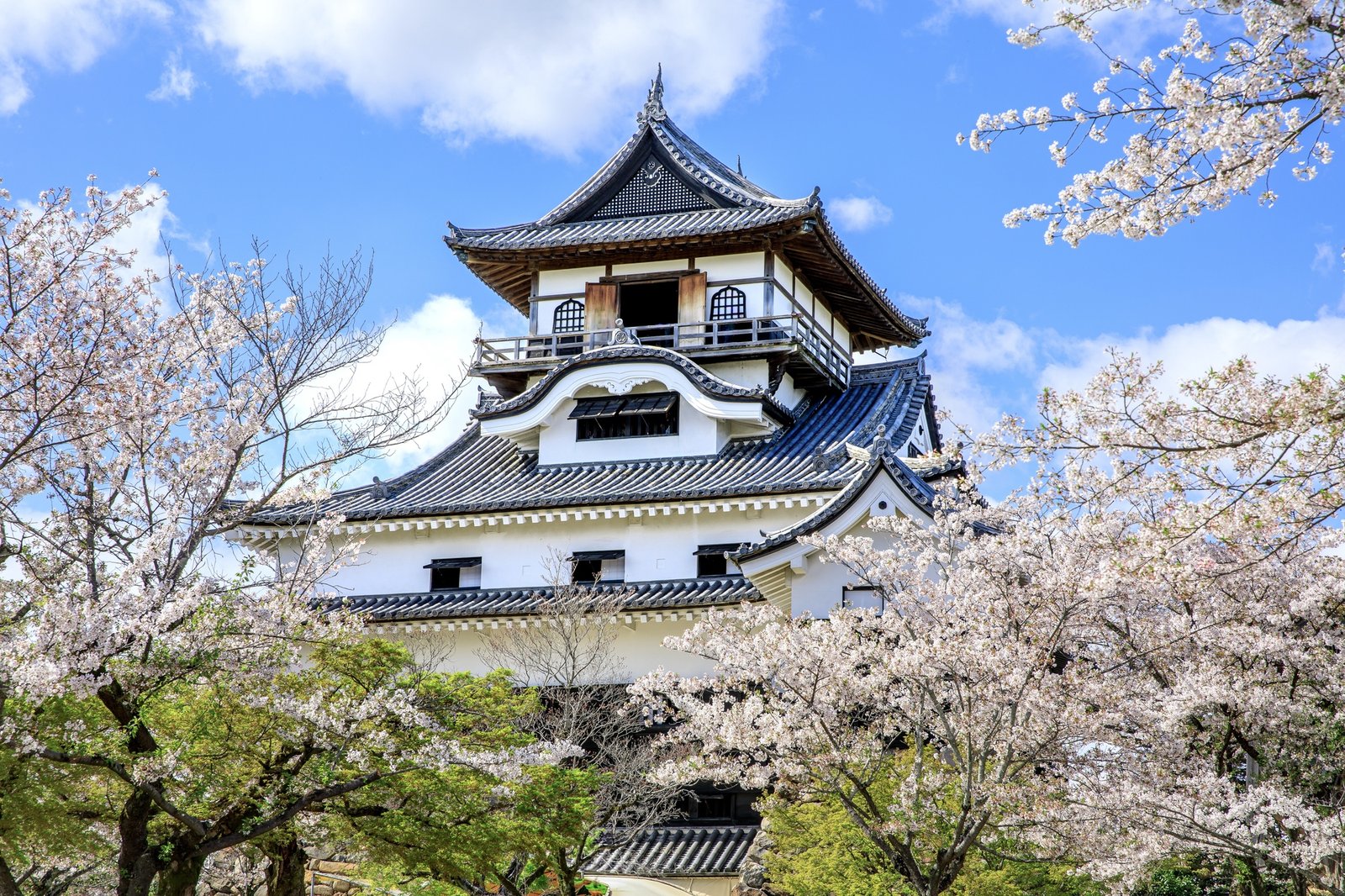
The castle’s official site gives the address as 65-2 Kitakoken, Inuyama, Aichi (Inuyama Castle).
According to its official site, the castle is said to have been built around 1537 (Tenbun 6) by Nobuyasu, an uncle of Oda Nobunaga (Inuyama Castle).
The castle describes its keep as the oldest surviving in Japan and a National Treasure (Inuyama Castle).
It lists opening hours of 9:00 to 17:00, with last entry at 16:30, and closure on 29 to 31 December (Inuyama Castle).
The castle says the north of Inuyama City borders Gifu Prefecture (Inuyama Castle).
Check official: opening hours on the day, and any additional closures.
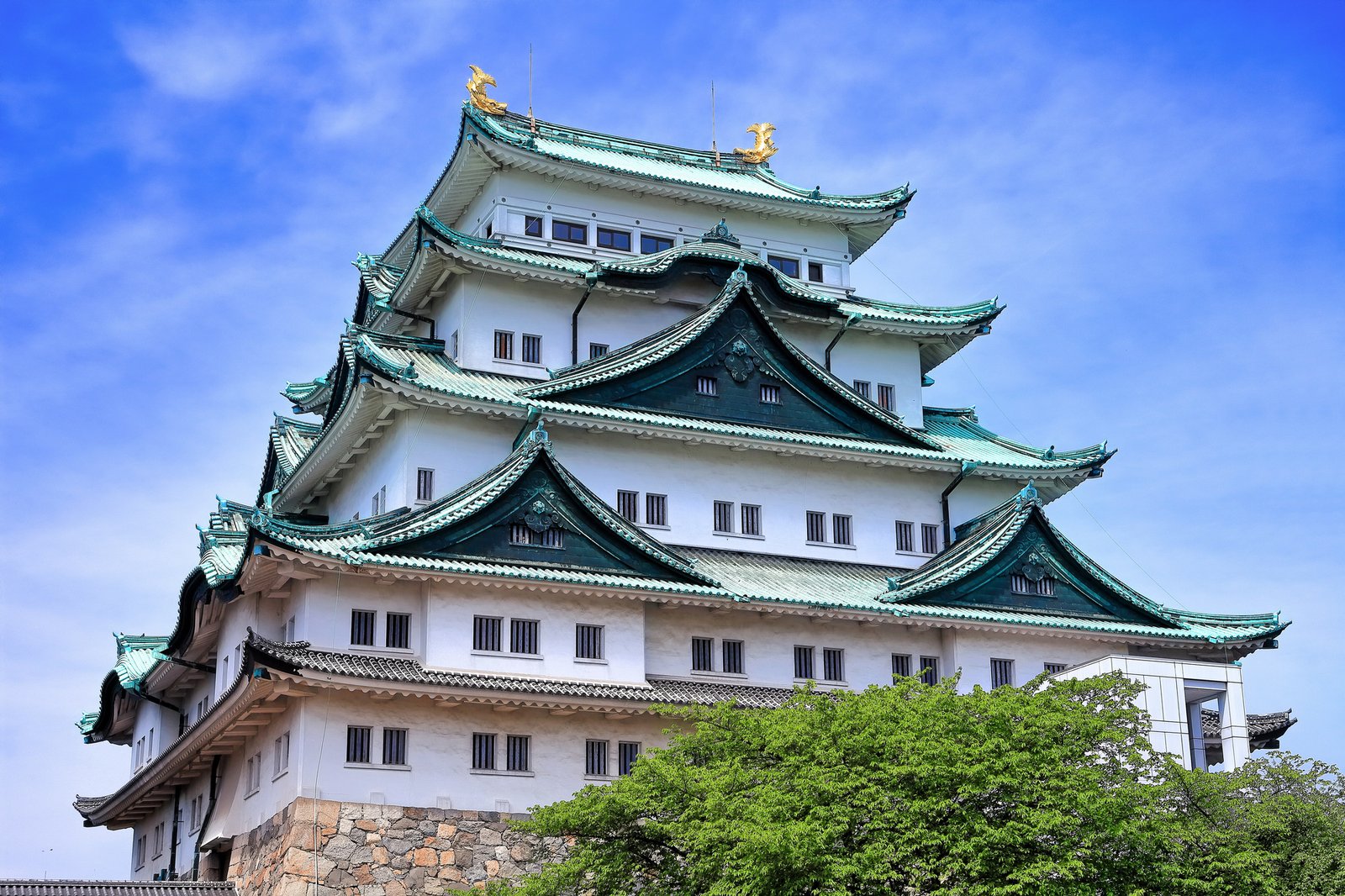
4. Nagoya Castle
JNTO lists Nagoya Castle, with Kiyosu Castle, under “Don’t Miss” for central Nagoya (JNTO Central Nagoya).
The castle’s official site gives the address as 1-1 Honmaru, Naka-ku, Nagoya (postcode 460-0031) (Nagoya Castle).
The castle says it was built in 1615 (Keicho 20) by Tokugawa Ieyasu, and it is a Special Historic Site (Nagoya Castle).
It lists opening hours of 9:00 to 16:30, with entry to Honmaru Palace and the Nishinomaru Storehouse Treasure Museum until 16:00 (Nagoya Castle).
It lists closure on 29 to 31 December and 1 January (Nagoya Castle).
At the time we read it, the castle’s top page said that visitors cannot go inside the main keep and related buildings (Nagoya Castle).
On foot, it gives 5 minutes from exit 7 of “Nagoya-jo” on the Meijo subway line, and 12 minutes from exit 1 of “Sensho-machi” on the Tsurumai line (Nagoya Castle).
It also gives 15 minutes from “Higashi-Ote” on the Meitetsu Seto Line, and the city bus Sakae 13 stops at “Nagoya-jo Seimon-mae” right by the gate (Nagoya Castle).
Check official: which parts of the castle are open on your day.
5. Toyota Commemorative Museum of Industry and Technology
JNTO names the museum among the facilities within 15 minutes of Nagoya Station (JNTO Central Nagoya).
The museum’s official site gives the address as 4-1-35 Noritake-shinmachi, Nishi-ku, Nagoya (postcode 451-0051) (museum site).
The museum says it stands on the birthplace of the Toyota Group, keeps a Taisho-era factory, and shows textile machinery and automobile machinery (museum site).
It lists opening hours of 9:30 to 17:00, with last admission at 16:30, and closure on Mondays (the next day if Monday is a public holiday) and over the year end and New Year (museum site).
The prefecture’s tourist map, in its entry for the same address, gives a 3-minute walk from Meitetsu “Sako” (Aichi Prefecture tourist map).
Check official: the nearest station, because the museum’s own top page did not name one when we read it.
6. Atsuta Jingu
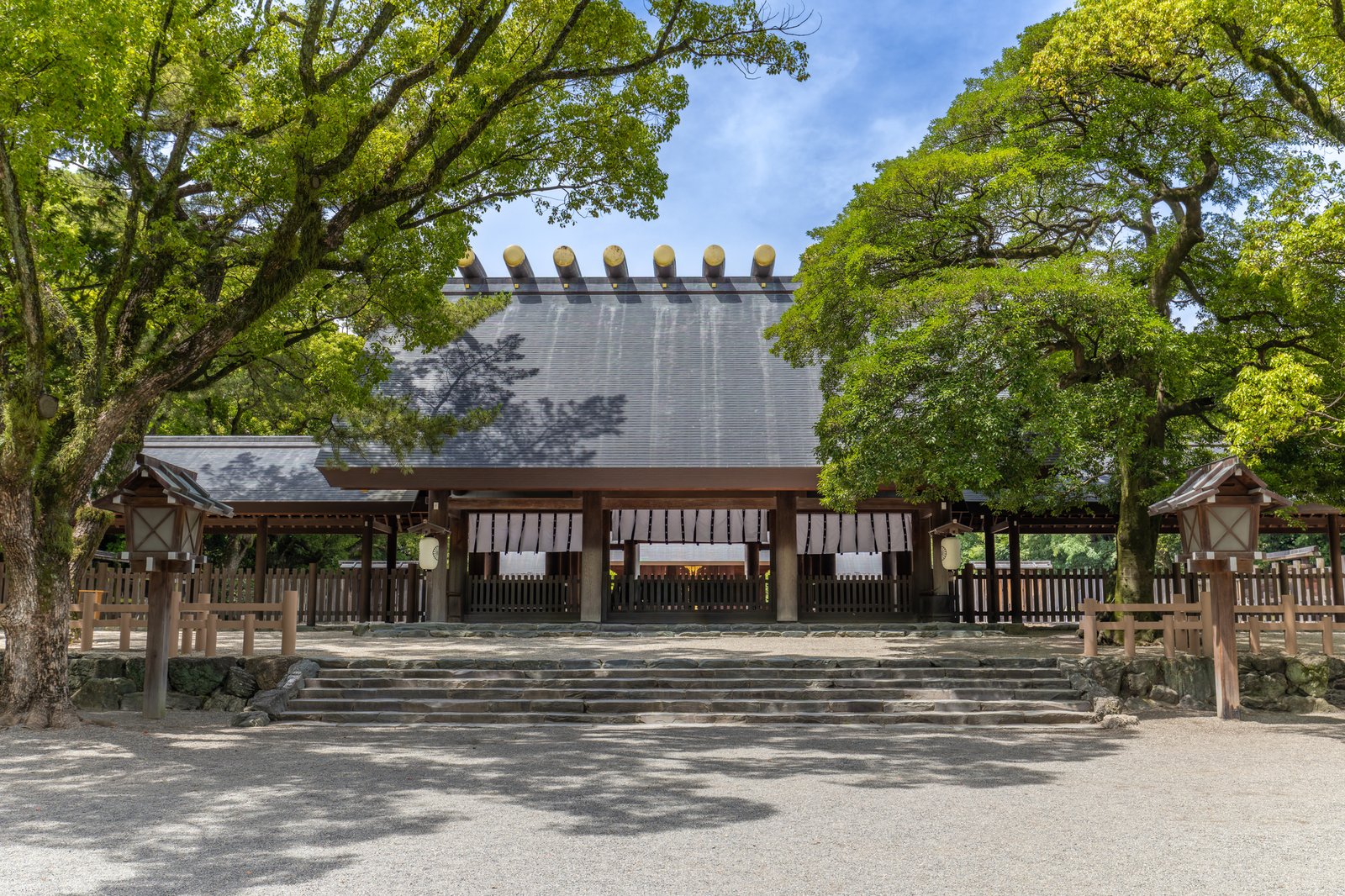
JNTO names Atsuta Jingu under outer Nagoya and mentions the Kusanagi sword (JNTO Outer Nagoya).
The prefecture’s tourist map gives the address as 1-1-1 Jingu, Atsuta-ku, and the telephone number as 052-671-4151 (Aichi Prefecture tourist map).
The map lists the shrine as open at all times, with no closing day and free worship (Aichi Prefecture tourist map).
It lists the treasure house as open 9:00 to 16:30 (entry until 16:10), closed on the last Wednesday of each month and the day after, and from 25 to 31 December (Aichi Prefecture tourist map).
It gives a 3-minute walk from the west exit of Meitetsu “Jingu-mae” (Aichi Prefecture tourist map).
It also gives a 7-minute walk from exit 3 of “Jingu-nishi” on the Meijo subway line (Aichi Prefecture tourist map).
Check official: the shrine’s own site, which we have not read, for hours and ceremonies.
7. Okazaki Castle
JNTO mentions Okazaki as the castle where Tokugawa Ieyasu was born (JNTO Toyota area).
The Okazaki Tourism Association gives the address as 561-1 Kosho-cho, Okazaki (postcode 444-0052) (Okazaki Tourism Association).
It says the keep was rebuilt in 1959 as a three-storey, five-floor structure, and that the castle was named one of Japan’s 100 Fine Castles in 2006 (Okazaki Tourism Association).
It lists opening hours of 9:00 to 17:00, with entry until 16:30, and closure on 29 to 31 December (Okazaki Tourism Association).
On foot, it gives 15 minutes from Meitetsu “Higashi-Okazaki” and 15 minutes from Aikan “Naka-Okazaki” (Okazaki Tourism Association).
It also gives a Meitetsu bus from Higashi-Okazaki to “Kosho-cho”, then 5 minutes on foot (Okazaki Tourism Association).
Check official: opening hours on the day.
Where to stay
The lodgings below are named on official pages; neither is rated or recommended here.
The Toyota City page for Korankei lists Hyakunensou under nearby information (Toyota City tourism site).
For Kajika-en, the Toyota City tourism site gives the address as 29 Kanayama, Unome-cho, Toyota (postcode 444-3206), and the telephone number as 0565-90-3320 (Toyota City tourism site).
The city lists check-in at 15:00 and check-out at 10:00, and says it is near Lake Mikawa (Toyota City tourism site).
For drivers, the city gives about 33 minutes from Toyota-Matsudaira IC on the Tokai-Kanjo Expressway (Toyota City tourism site).
The Korankei page lists Kajika-en under nearby accommodation without saying it is within walking distance (Toyota City tourism site).
Check official: no lodging in Nagoya or Gamagori has been checked against its own site, so none is listed.
Overnight stays by foreign visitors
A table of the overnight stays reported for foreign visitors to Aichi, from the Japan Tourism Agency:
| Item | Figure |
|---|---|
| Overnight stays by foreign visitors | 4,859,630 person-nights |
| Change against 2019 | +33.7% |
| Change against the previous year | +24.4% |
The figures come from the appendix table of the Japan Tourism Agency’s accommodation survey PDF, as recorded on 31 October 2026 (Japan Tourism Agency).
A person-night is one guest staying one night, so the figure is not a count of individual visitors.
Related guides on this site
If something goes wrong
See English-speaking medical care in Japan and emergency numbers in Japan.
What we have not verified
- Latitude and longitude for all seven places: none was printed on the official pages we read.
- Atsuta Jingu’s own website: not read. Address, opening and access come from the prefecture’s tourist map and JNTO.
- The Gamagori Tourist Association’s top page: not read. The location of Takeshima, and the opening and access details, come from its Takeshima page.
- The maple count at Korankei: JNTO gives 4,000 and the Toyota City site gives about 3,000. We do not know which is more recent.
- The prefecture’s tourist map: its file name carries 2023 and it describes journey times as approximate. It was read as text and no web status was recorded for it.
- The prefecture’s tourism portal (top page and FAQ) and the Atsuta festival event page did not load, so its list of sights is unchecked.
- Lodging in Nagoya and Gamagori: no property’s own site was read.
- Address, telephone number, closing day and front desk hours for Hyakunensou: check the official site before you go.
- Whether the Japan Tourism Agency PDF ranks Aichi: no ranking is given here, because the earlier record does not quote one from the PDF text.
- Kajika-en’s own website: not read.
Official sources
Checked on 22 November 2026 unless stated.
- Japan National Tourism Organization, Aichi: https://www.japan.travel/en/destinations/tokai/aichi/
- JNTO, Central Nagoya: https://www.japan.travel/en/destinations/tokai/aichi/nagoya-station-and-around/
- JNTO, Outer Nagoya: https://www.japan.travel/en/destinations/tokai/aichi/outer-nagoya/
- JNTO, Toyota area: https://www.japan.travel/en/destinations/tokai/aichi/toyota-area/
- Gamagori Tourist Association, Takeshima: https://www.gamagori.jp/special/takeshima
- Toyota City tourism site, Korankei: https://www.tourismtoyota.jp/spots/detail/22/
- Inuyama Castle: https://inuyama-castle.jp/
- Nagoya Castle: https://www.nagoyajo.city.nagoya.jp/
- Toyota Commemorative Museum of Industry and Technology: https://www.tcmit.org/
- Aichi Prefecture tourist map (PDF): https://aichinow.pref.aichi.jp/upload/guidebook_languages/b1dfbe2cc0808a5160843532da78b53b.pdf
- Okazaki Tourism Association: https://okazaki-kanko.jp/okazaki-park/guide/2
- Toyota City tourism site, Kajika-en: https://www.tourismtoyota.jp/spots/detail/30029/
- Japan Tourism Agency, accommodation survey PDF (checked 31 October 2026): https://www.mlit.go.jp/kankocho/content/002026763.pdf