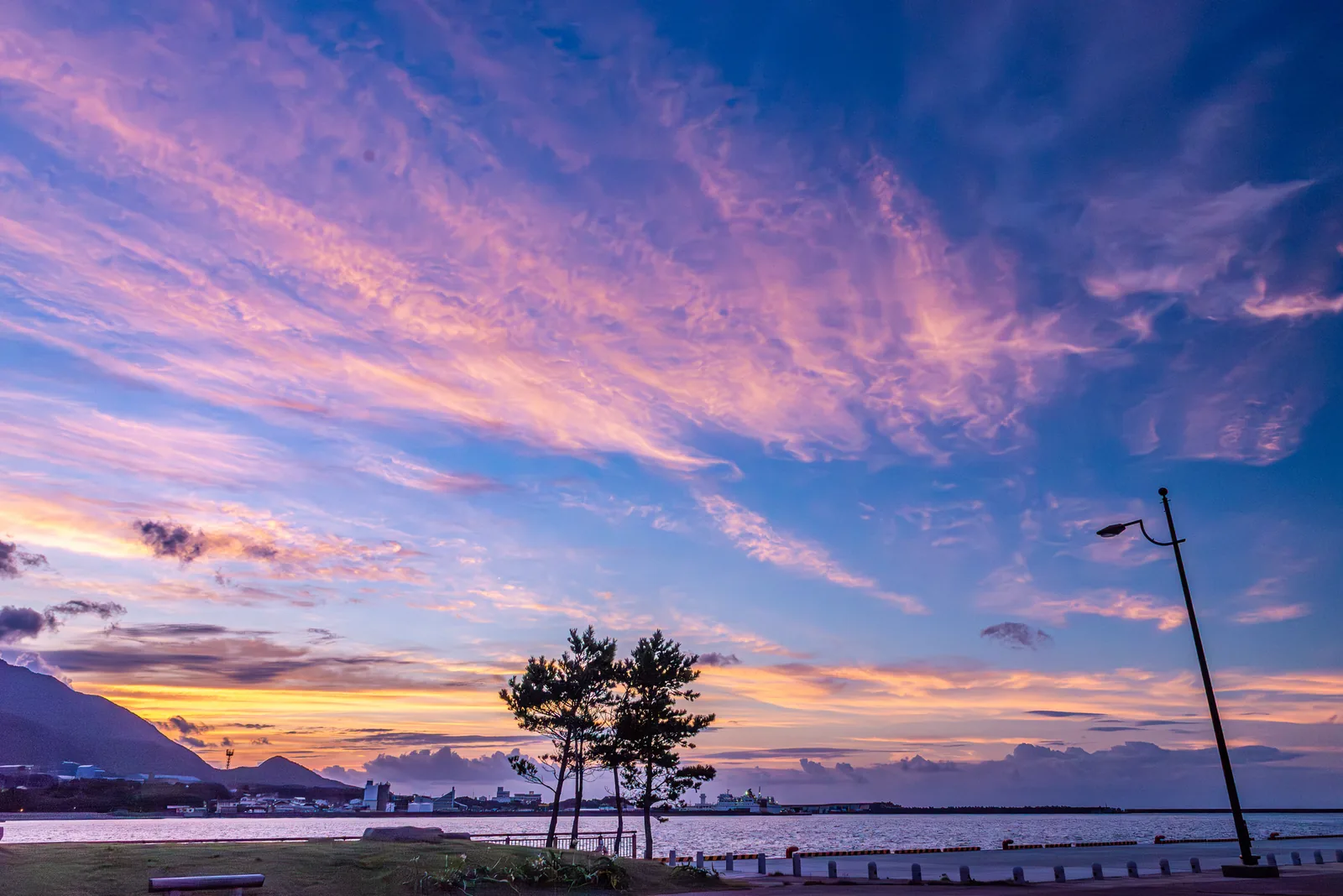
The prefecture’s official English travel guide states the span as landscapes and seascapes stretching 600 km from north to south (Discover Kagoshima, Taste of Kagoshima). JNTO sets the same ground from the volcanoes of Kirishima and Sakurajima to the forests of Yakushima.
The Japan Tourism Agency’s 2025 Accommodation Survey (final figures, PDF) records 708,960 foreign guest-nights in Kagoshima Prefecture (−15.6% vs 2019, +14.3% vs the previous year). Guest nights are not a head count of visitors.
Getting there
About 1 hour 45 minutes to 2 hours by air from Haneda, or about 1 hour 16 minutes on the Kyushu Shinkansen from Hakata to Kagoshima-Chuo. The airport bus to the city is about 40 minutes.
How long
The city and the ferry to Sakurajima can be seen in a day. Chiran and Ibusuki lie south on the same peninsula. Yakushima is a separate crossing by air or sea.
When to go
JNTO names spring around the ruins of Tsurumaru Castle, and winter for Kirishima Onsen and Ibusuki’s sand baths. On Yakushima, the same account says, there is less rain than usual in spring.
The volcano
Sakurajima is active. On the morning of a visit, the pages to read are the city’s alert-level page and the Japan Meteorological Agency’s page for the day.
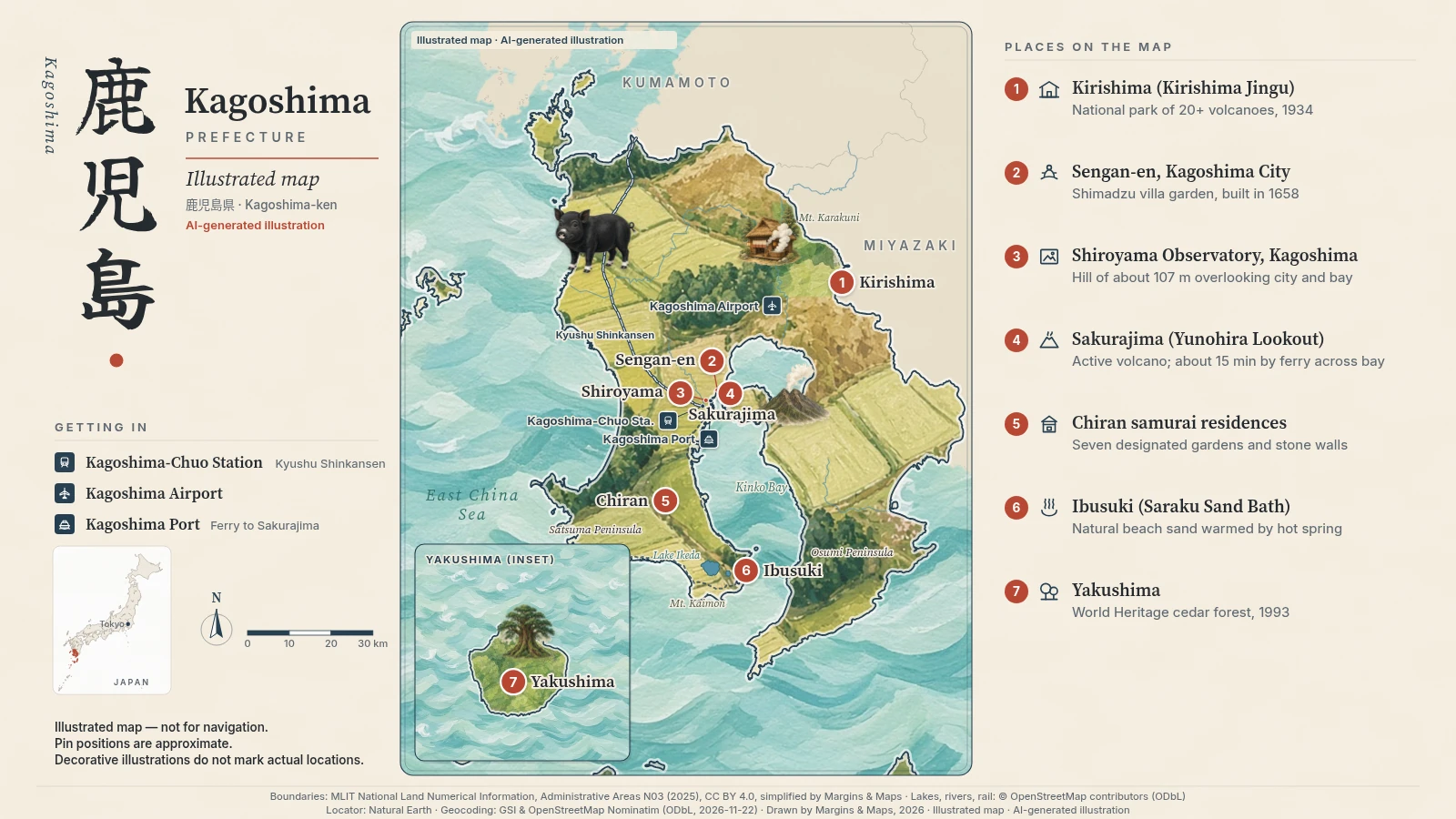
Map of the seven places
AI-generated illustration. Pin positions are approximate; decorative illustrations do not mark actual locations.
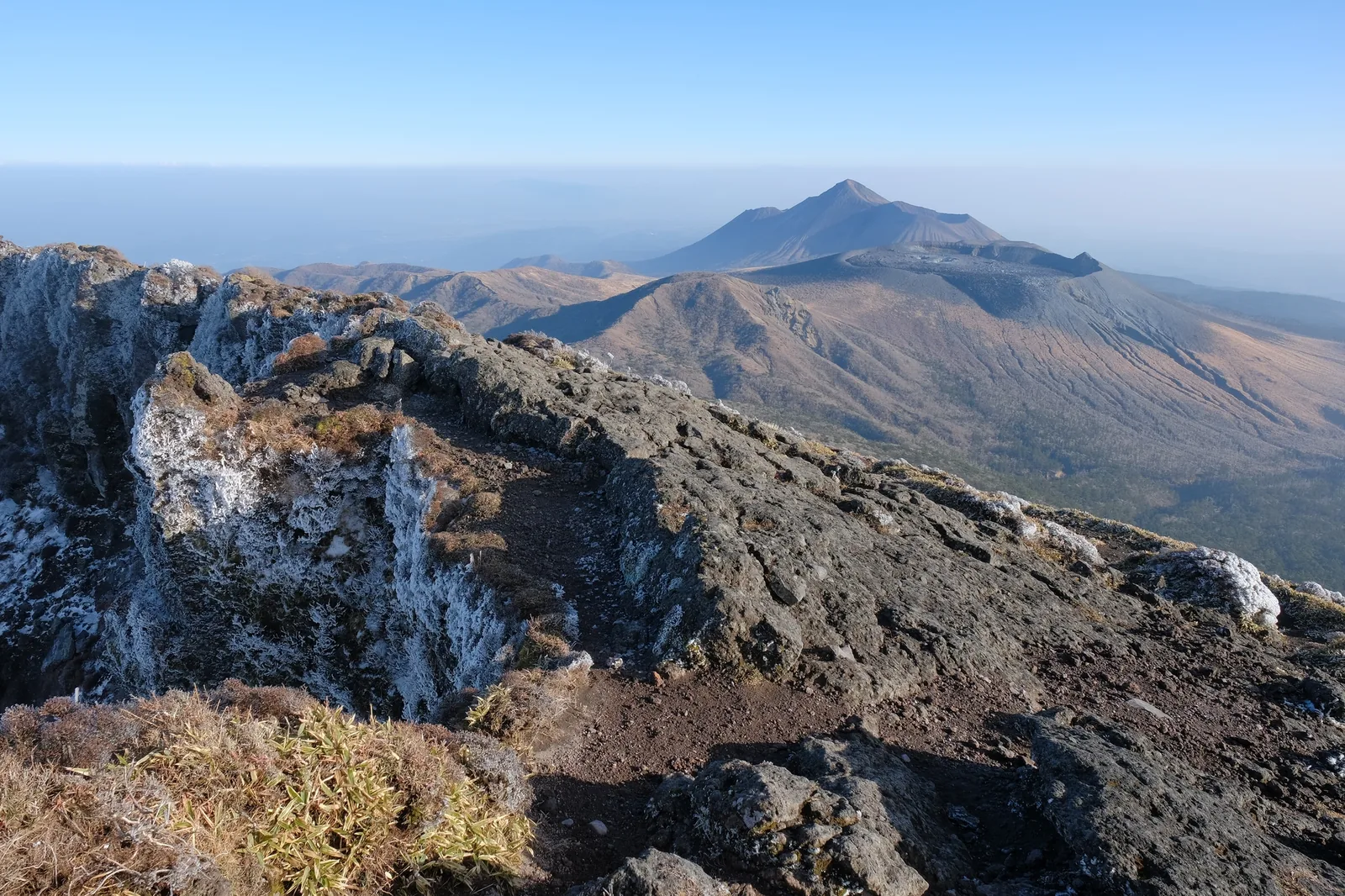
Shinmoedake and Takachiho-no-mine, from the crater wall of Karakuni-dake, 31 December 2024. Photo: kohview / PIXTA
The Ministry of the Environment says Kirishima-Kinkowan National Park is one of Japan’s first national parks, designated in 1934. The northern Kirishima area has more than twenty volcanoes, with crater lakes, fumaroles, hot springs and plateaus. The ministry names Ebino Plateau, Kirishima Onsen, Takachiho-gawara and Kirishima Jingu as the main visitor bases (park features).
2 Sengan-en, Kagoshima City
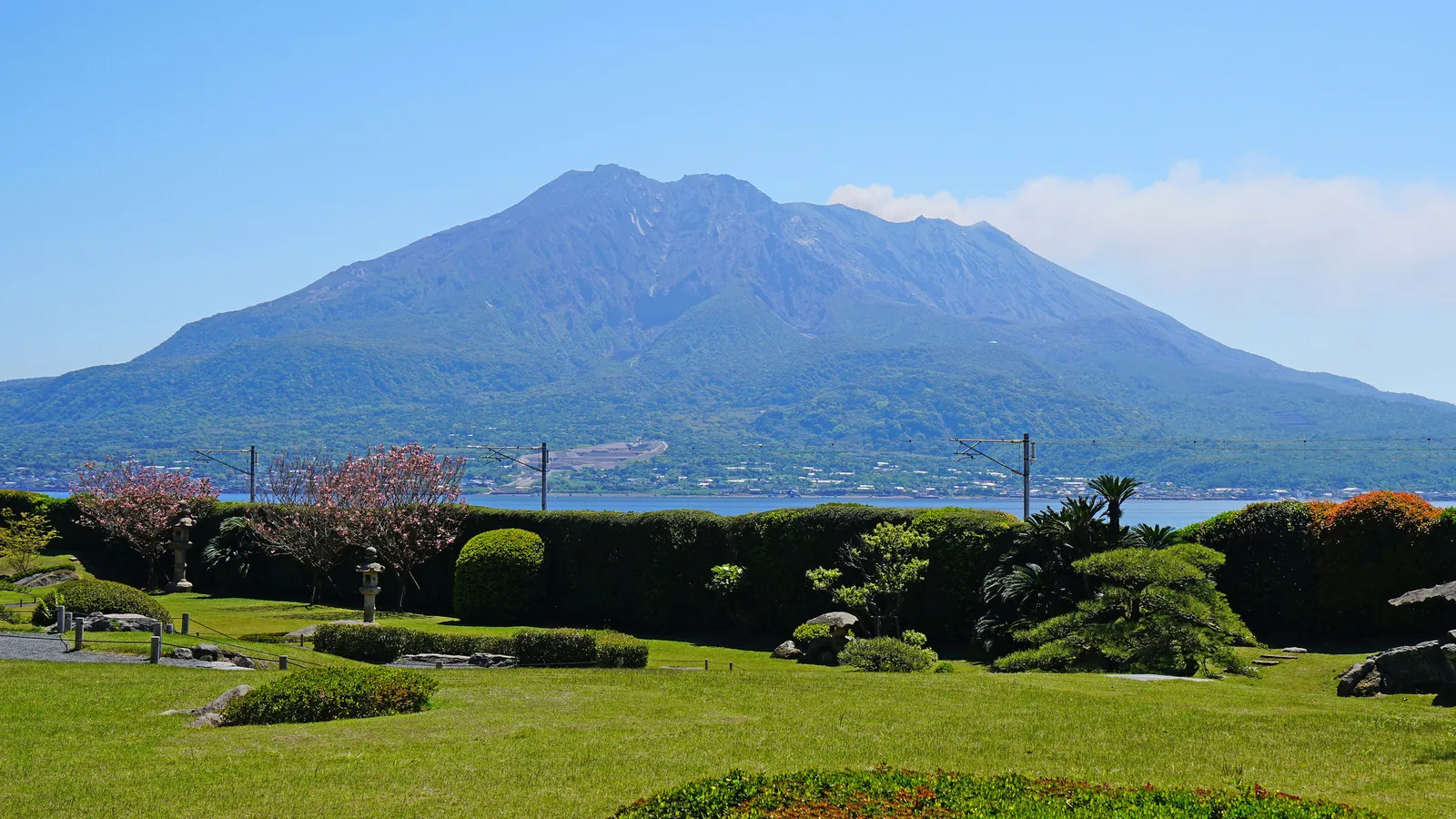
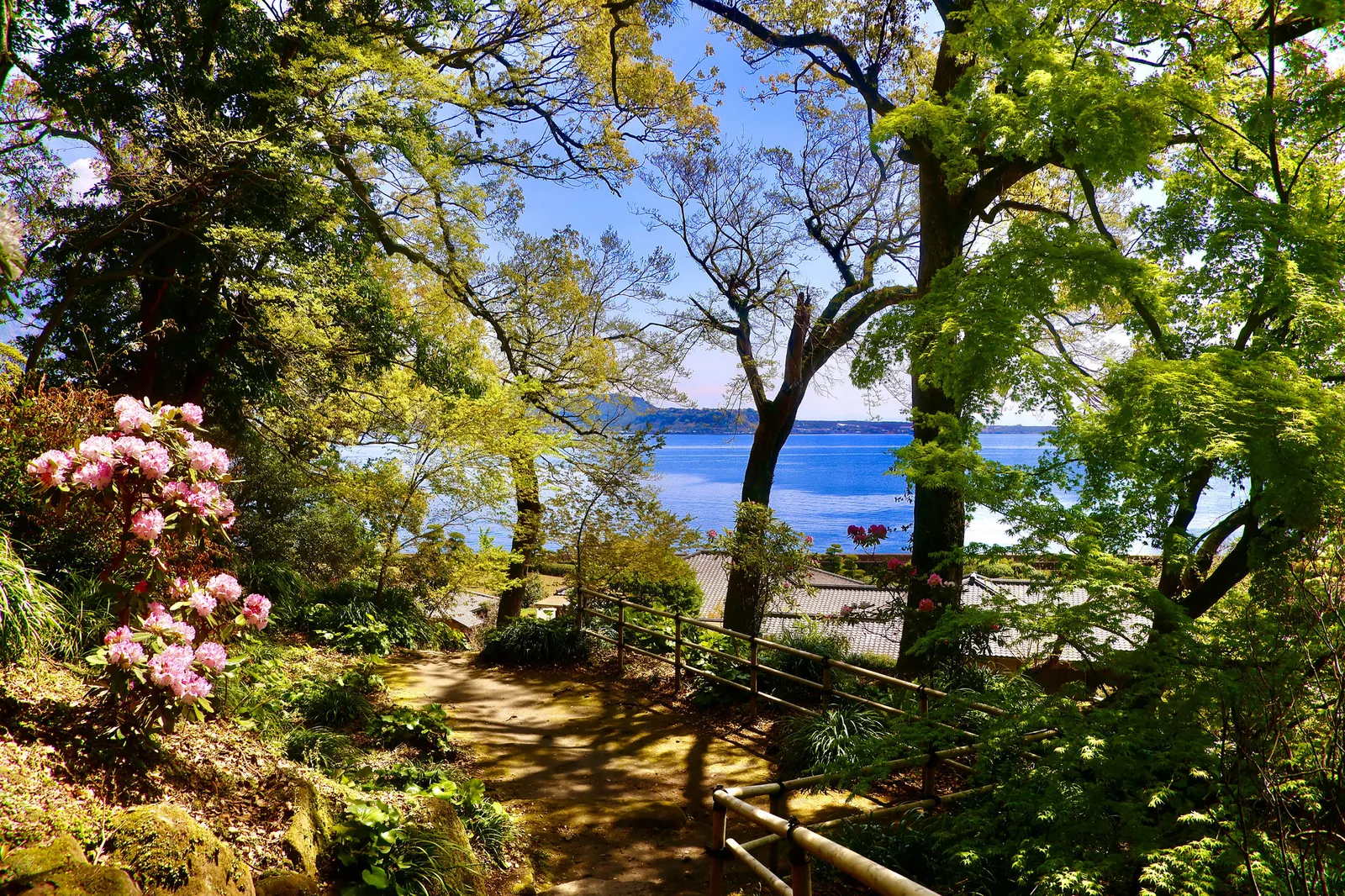
Sakurajima from the garden at Sengan-en, 15 April 2019. Photo: H・東洋 / PIXTAFrom a walkway in the garden, toward the bay, 4 April 2025. Photo: TAKEZO / PIXTA
Visit Kagoshima City says the garden was built in 1658 by Shimadzu Mitsuhisa and looks out on Sakurajima. The garden’s own site, senganen.jp, styles it as a nationally designated place of scenic beauty, and as a villa of the Shimadzu family of the Satsuma domain.
Open 9:00 to 17:00. About a 3-minute walk from JR Sengan-en-mae Station, or about 50 minutes from Kagoshima-Chuo on the City View bus, alighting at Sengan-en Mae. Confirm opening on the official site before you go.
3 Shiroyama Observatory, Kagoshima City
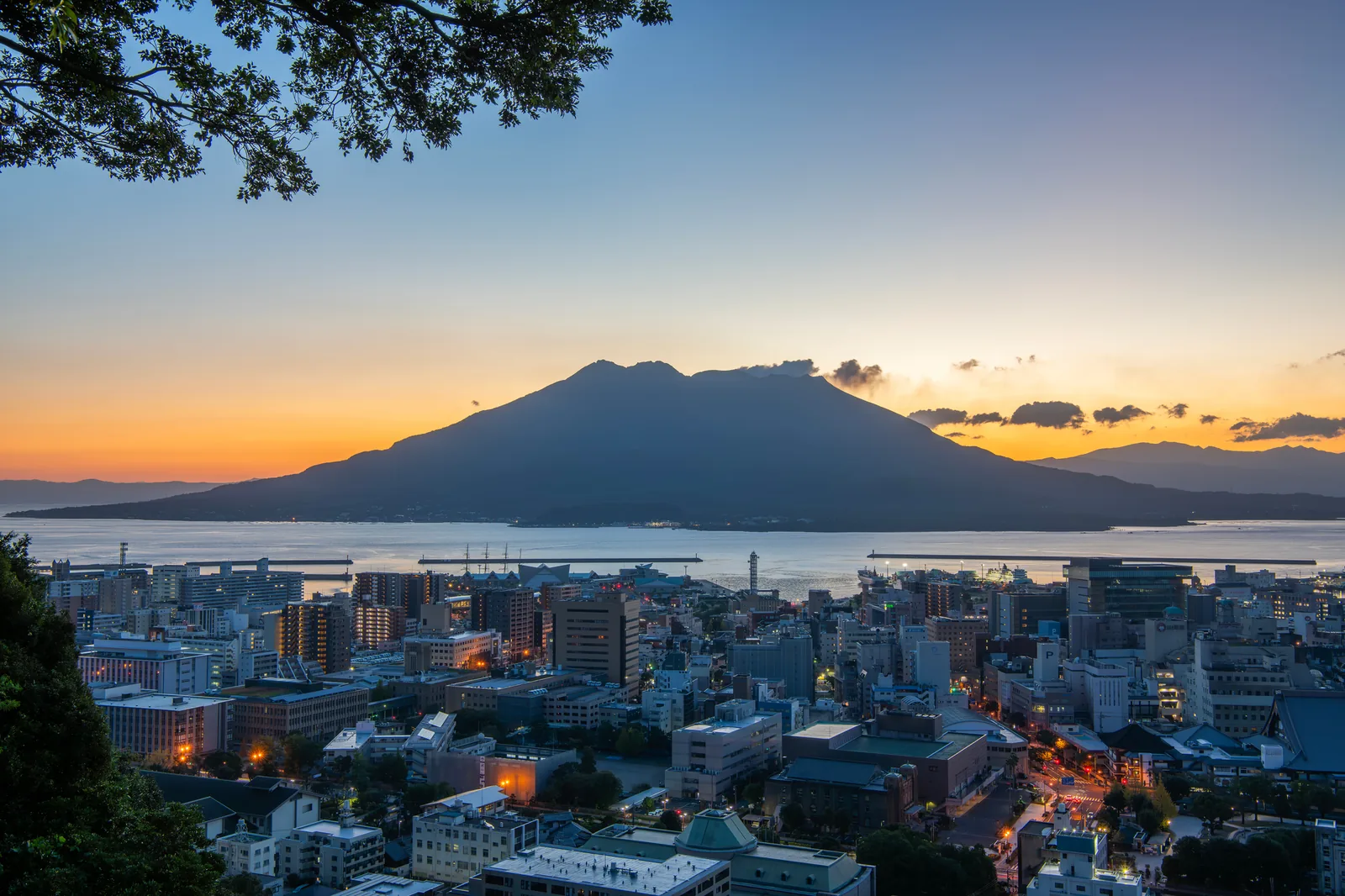
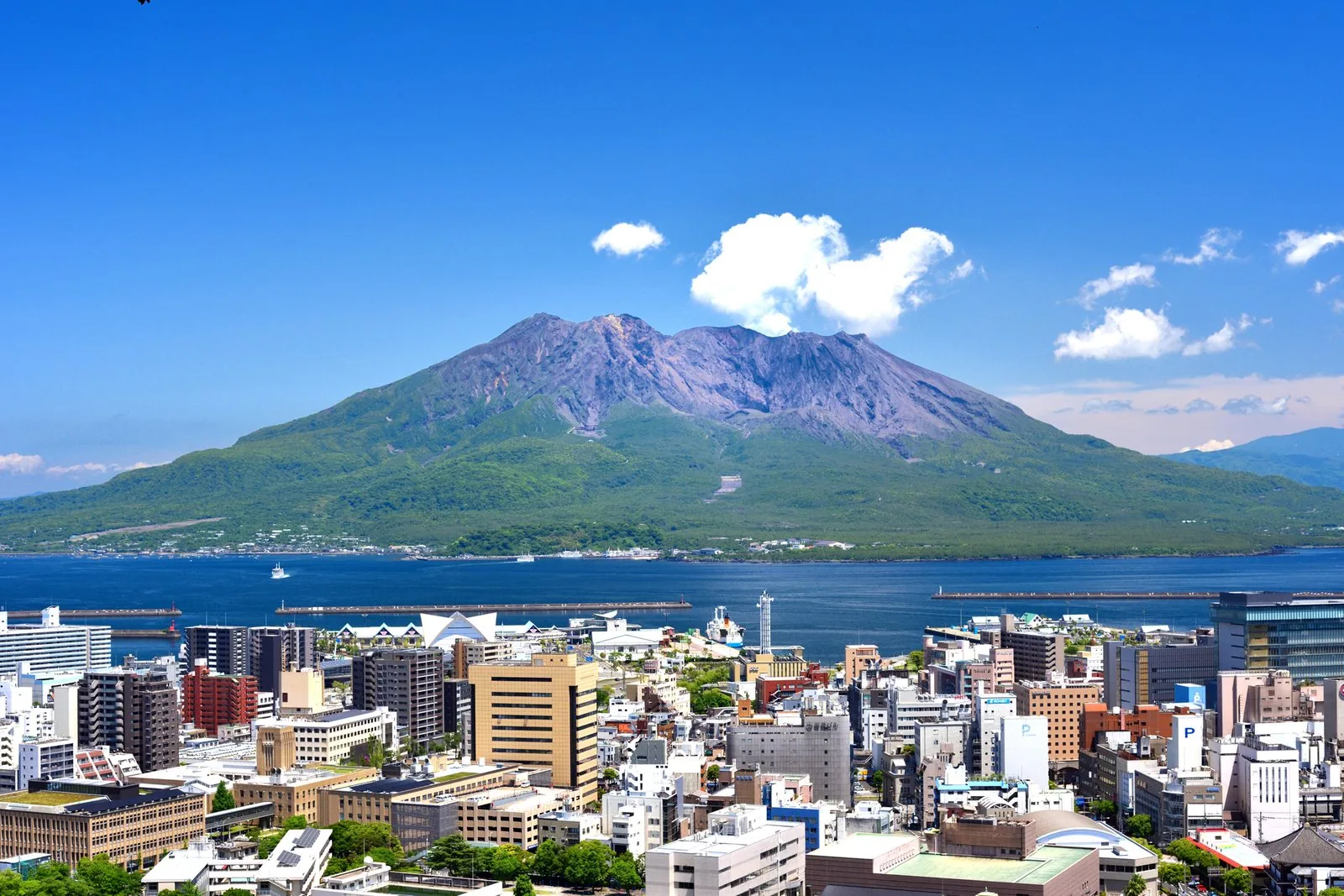
From the Shiroyama Observatory: the city, the bay and Sakurajima. Photo: S2 / PIXTA
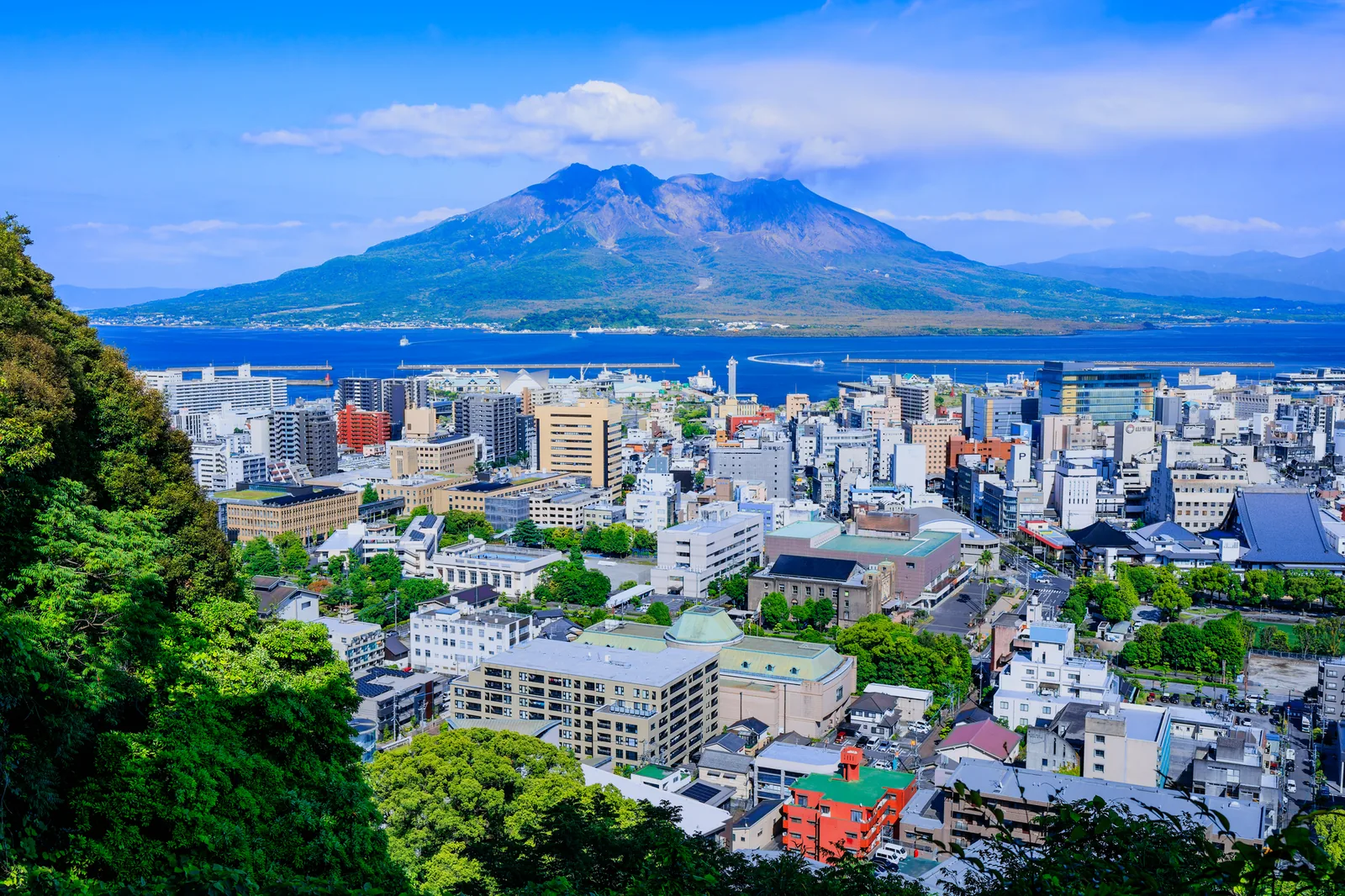
The city’s park page describes Shiroyama as a hill about 107 m high, lying across the centre of Kagoshima. It was opened as a scenic park in 1906 and, on 3 June 1931, designated a national historic site and a national natural monument. From the observation deck, the city says, Sakurajima and the urban area are in view.
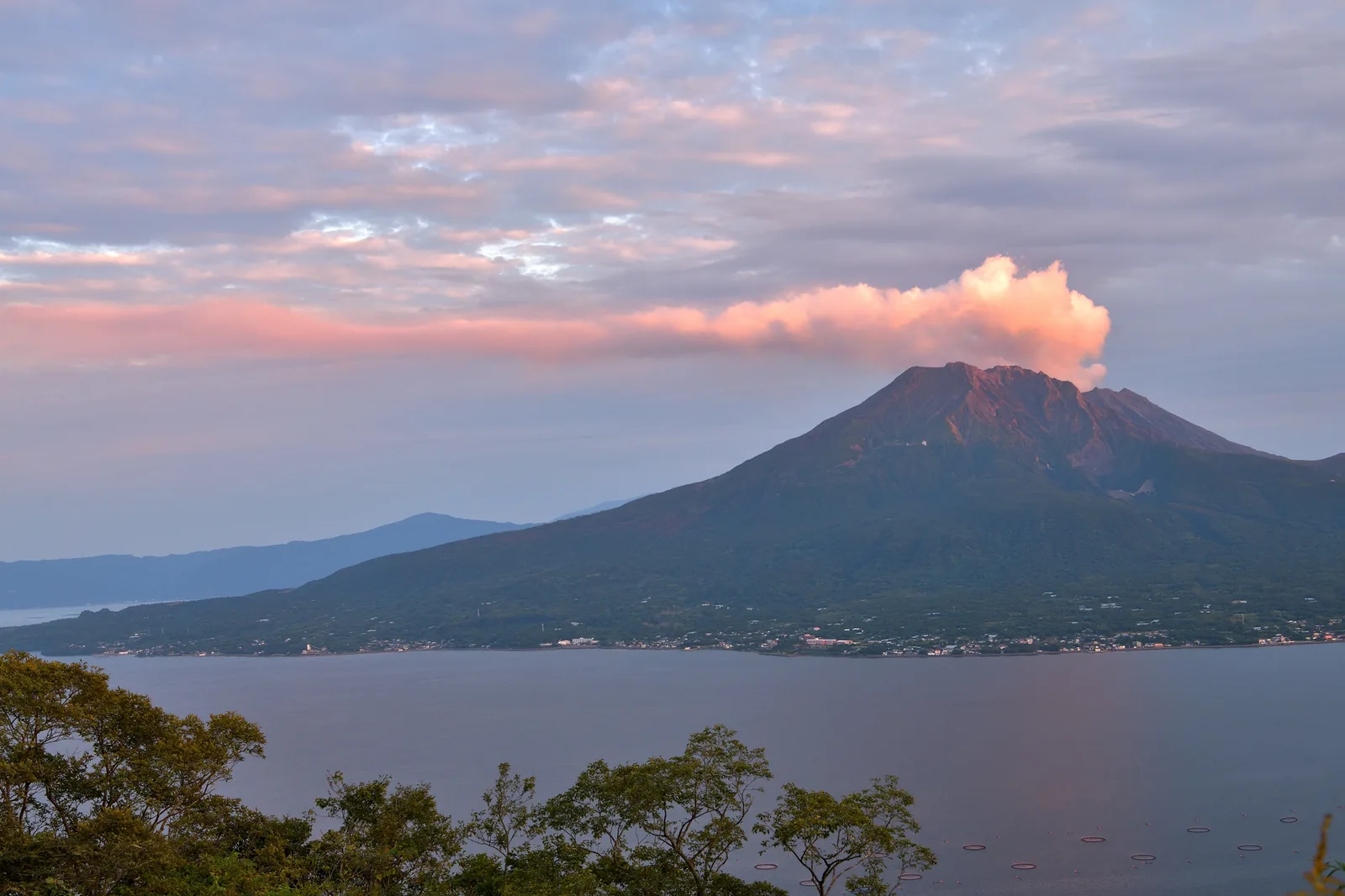
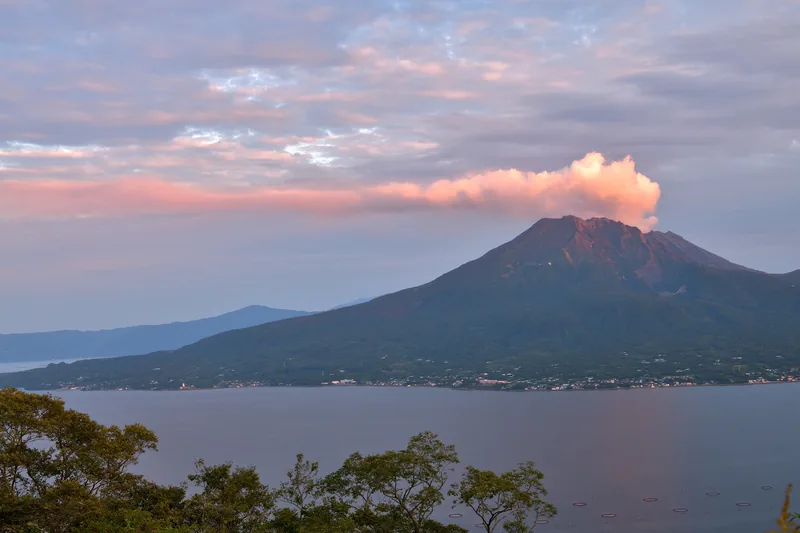
A plume over Sakurajima, from near Sugiyama Park, 28 October 2025. A plume is not always visible; check the Japan Meteorological Agency page before you go. Photo: papilio / PIXTAFrom the Shiroyama Observatory (pin 3), 22 May 2026. Photo: 清十郎 / PIXTA
The Ministry of the Environment places Sakurajima in the Kinkowan area of Kirishima-Kinkowan National Park, at the south of the Aira caldera. Lava from the eruption of 1914 joined it to the Osumi Peninsula. It stands across the bay from the centre of Kagoshima City.
City ferry, Kagoshima Port to Sakurajima Port: about 15 minutes (about 20 depending on the sea). Since 1 October 2025: 94 weekday sailings, 104 on Saturdays, Sundays and holidays. Adult fare 250 yen. From Kagoshima-Chuo, a minute’s walk from the Kagoshima Suizokukan-mae (Sakurajima Sanbashi) bus stop. Island View bus from Sakurajima Port every 30 minutes, 9:30 to 16:30.
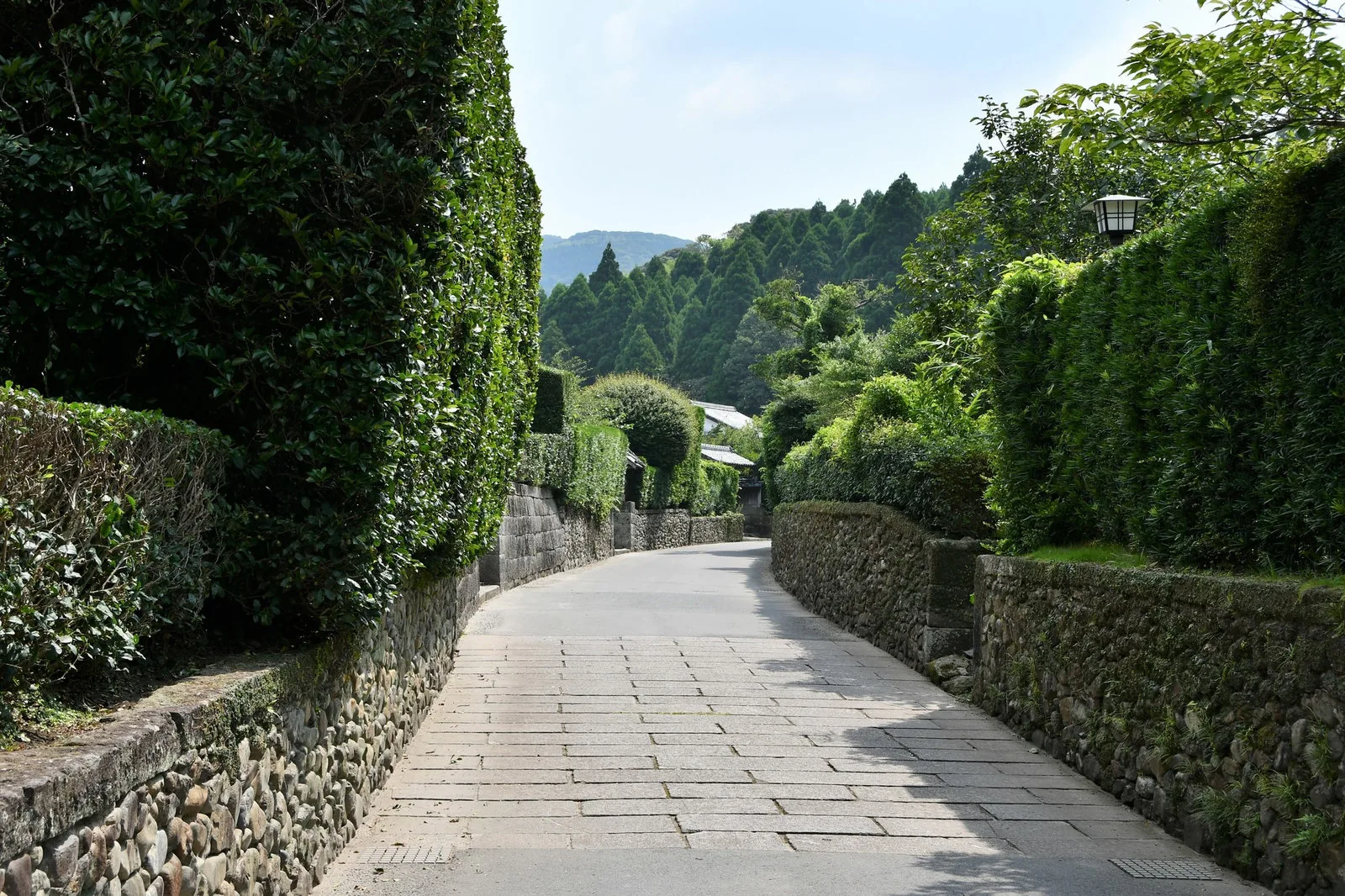
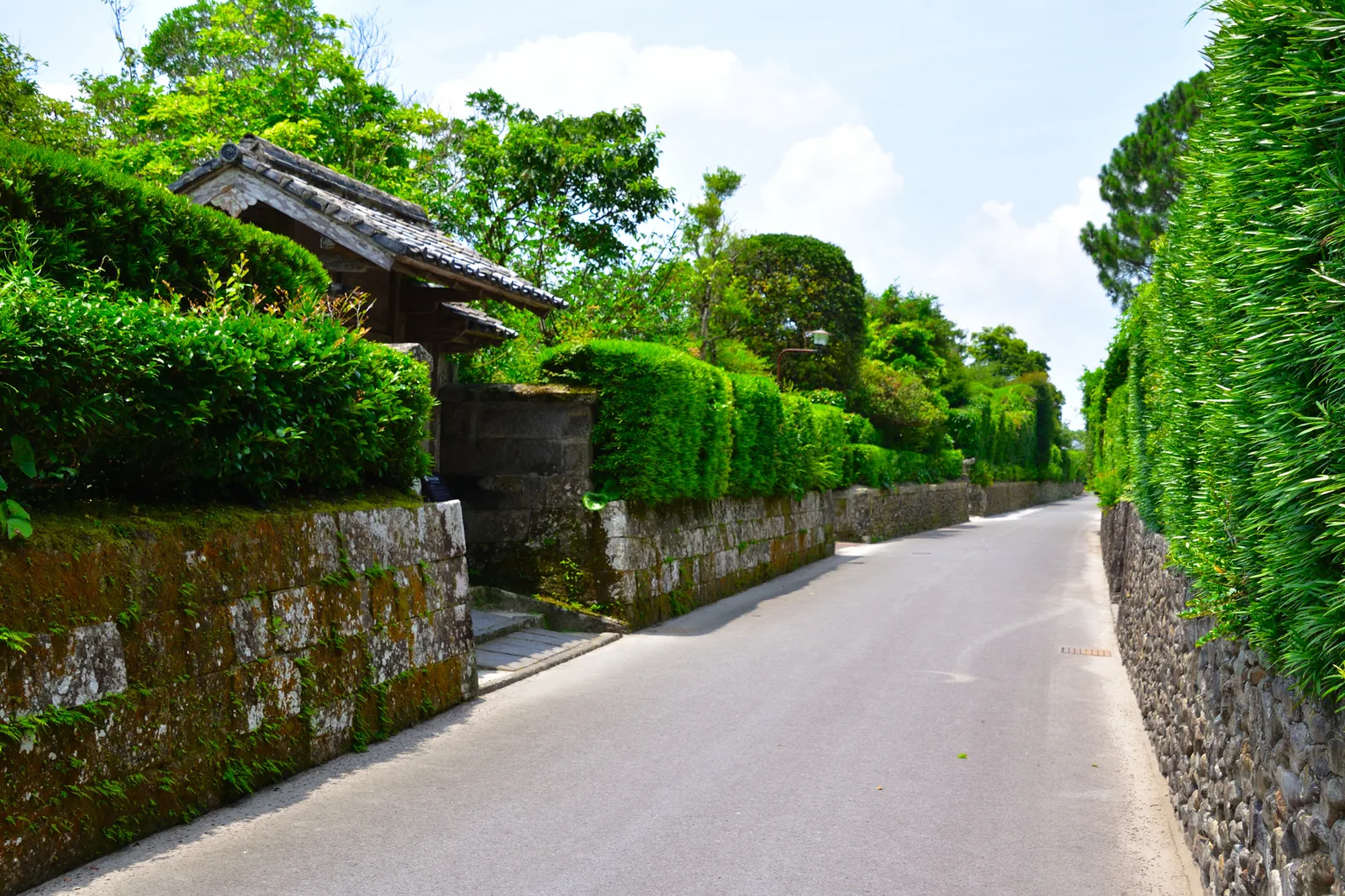
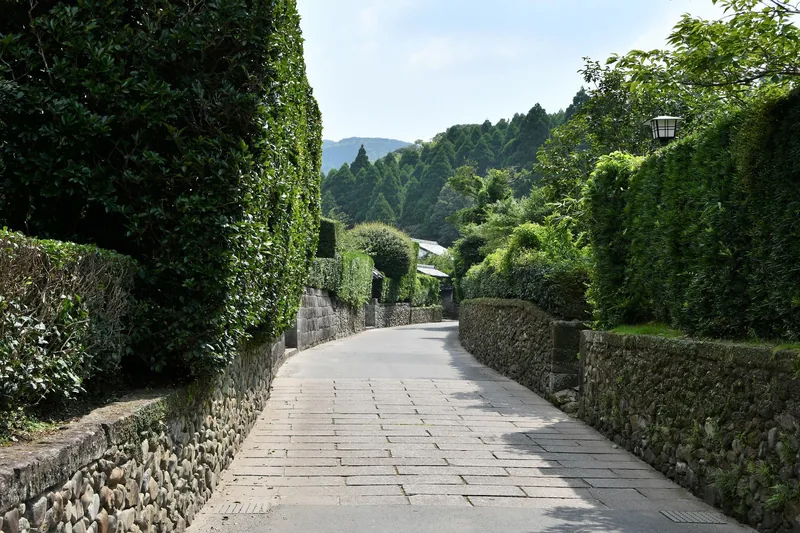
The street of residences, stone walls and hedges. Photo: ブルーインパルス / PIXTAFrom the street, at a gate in the district, 5 July 2025. Photo: Kei1962 / PIXTA
Seven gardens in this district were designated a national place of scenic beauty on 23 February 1981, according to Minamikyushu City. The stone walls and hedges run on from one house to the next, so the street itself is part of the district on view.
Open 9:00 to 17:00, every day of the year. Individual admission is 530 yen for adults and 320 yen for children. By bus from Kagoshima central station, take the service bound for Chiran and get off at the Bukeyashiki entrance stop.
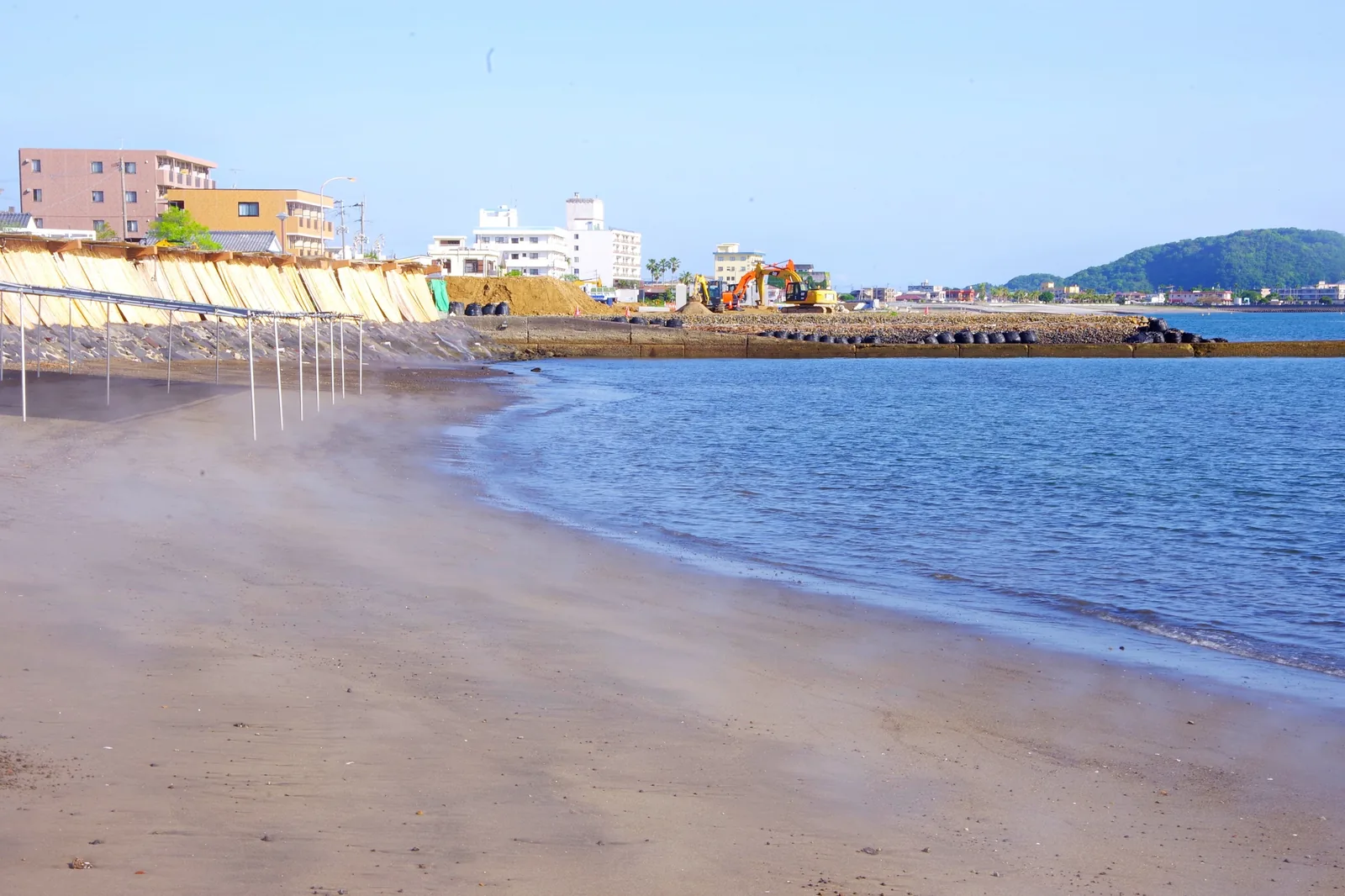
Steam rising from the sand at Ibusuki, 27 April 2026. The photograph shows steaming sand at Ibusuki; it does not by itself identify the facility as Saraku. Photo: HIRO / PIXTA
Saraku, run by the Ibusuki Onsen Community Development Foundation, is a sand-bath hall on a natural beach, where bathers are buried in sand warmed by hot-spring heat. JNTO names Ibusuki’s steaming sand baths among the reasons to come in autumn and winter, and mentions the view of Kaimondake from the beach.
Open 8:30 to 21:00, last admission 20:00. Sand-bath admission is paused on weekdays from 12:00 to 13:00. The sand-bath set is 1,500 yen for adults (junior high school and older) and 800 yen for children (primary school and younger). About 1 hour on the JR Ibusuki-Makurazaki Line from Kagoshima-Chuo to Ibusuki, then about 5 minutes by taxi or about 20 minutes on foot. The hall lists maintenance closures on 6–10 July and 14–18 December 2026.
7 Yakushima
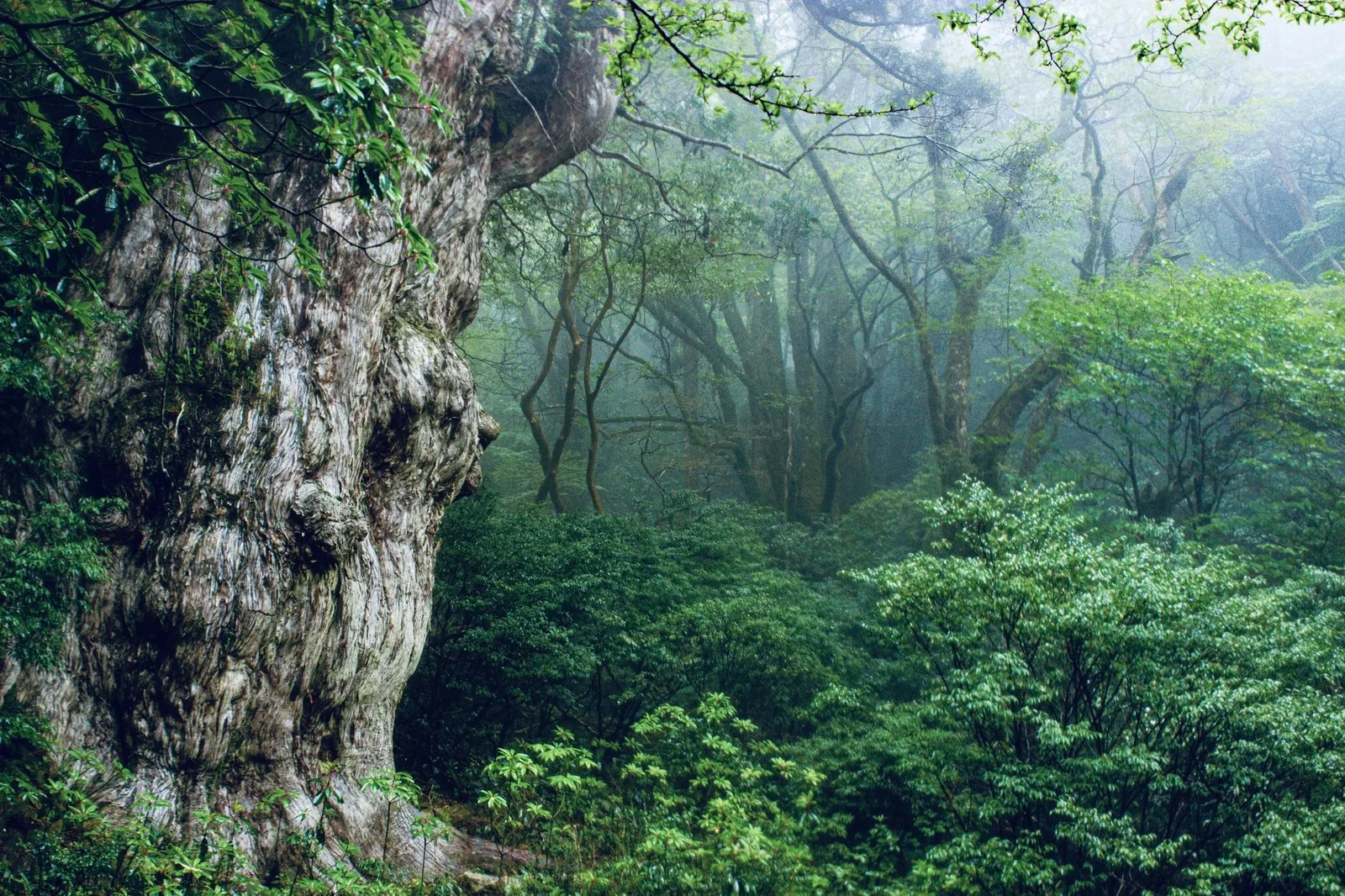
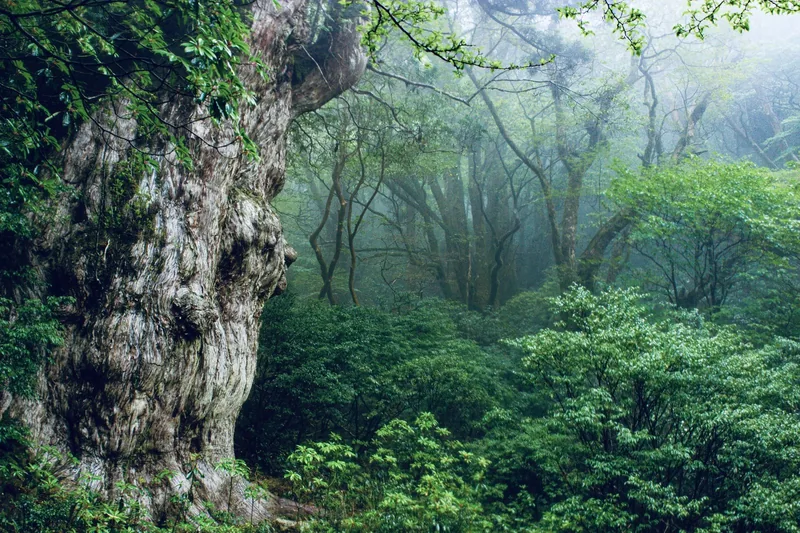
The Jomon Sugi cedar, in the forest. Photo: yako / PIXTAFrom the waterfront at Miyanoura, the port Ferry Yakushima 2 names as its Yakushima terminal. Photo: 屋久島サル / PIXTA
UNESCO lists the World Heritage property “Yakushima”, inscribed in 1993 and covering 10,747 ha. The Ministry of the Environment dates the designation of Yakushima National Park to 16 March 2012. The Agency for Cultural Affairs lists the island’s primeval forest of sugi as a Special Natural Monument.
Yakushima Town lists direct flights from Osaka (Itami), Fukuoka and Kagoshima, and a jetfoil and ferries from Kagoshima. Fares and timetables change, and the town says bad weather can delay or cancel boats and flights. People entering the mountains are asked for a mountain conservation donation.
JNTO says the area around the ruins of Tsurumaru Castle (Kagoshima Castle) is covered with cherry blossoms, and that spring is the time Yakushima has less rain than usual (JNTO).
Summer
JNTO mentions marine activities at Amami-Oshima and nearby islands, and sea-turtle nesting at Nagahata Inakahama Beach on Yakushima (JNTO).
Autumn
JNTO says tens of thousands of cranes come to the Izumi Crane Observation Center, and names Ibusuki’s sand baths (JNTO).
Winter
JNTO names Kirishima Onsen and Ibusuki Onsen, including the sand baths and the view of Kaimondake from the beach (JNTO).
This page contains affiliate links. Affiliate disclosure. Official hotel sites are linked below. If you book through an Expedia link, Margins & Maps may earn a commission at no extra cost to you.
Kagoshima City
Kagoshima-Chuo is the shinkansen station and the airport-bus terminal the city names, and the starting point for the Sakurajima ferry, the City View to Sengan-en, and the Chiran bus.
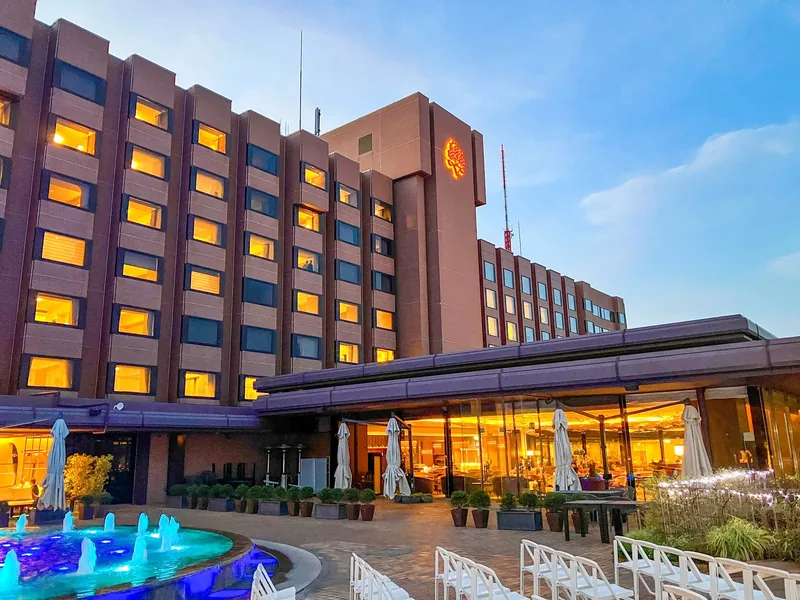
One of the visitor bases the Ministry of the Environment names in the Kirishima area, and a winter stay JNTO points to.
Kirishima Kokusai Hotel (official site; the official English page gives the address as 3930-12 Takachiho, Makizono-cho, Kirishima City) · Expedia (affiliate link).