Long-stay checklist without promising visa outcomes
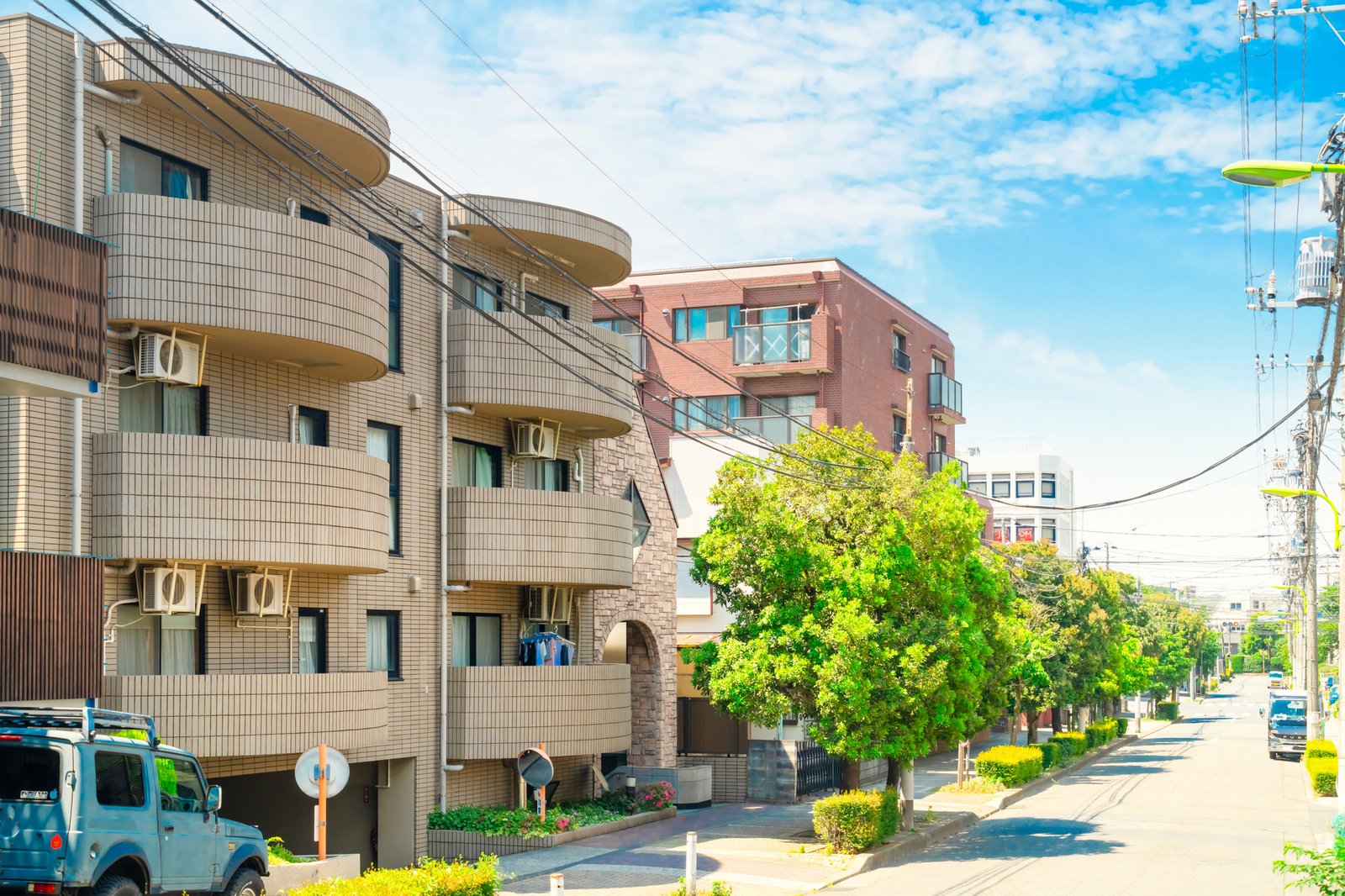
A longer stay in Japan is checked at several counters. The pages behind this checklist come from four public bodies: the Immigration Services Agency, your city or ward office (Shinjuku City is the example here), the Ministry of Health, Labour and Welfare (MHLW), and the Japan Pension Service. Each body answers for its own step, so the useful work is knowing which counter holds which question.
Who this is for: people in Japan, or about to arrive, who expect to stay for months or longer and want the official page for each step.
This checklist sends you to official pages and counters; whether a rule applies to you, and what the outcome will be, is for the agency or the office to confirm.
The short version: find the row below that matches where you stand now. If you are starting to live here as a mid-to-long-term resident, the Immigration Services Agency asks you to file a notification of place of residence at your city or ward office, and that office also handles the moving-in notification. Health insurance and pension each have their own official pages with English material. If your plans may run past your current period of stay, start from the agency’s list of procedures and ask the agency before you plan around an answer.
Where you stand now, and where to check
| Where you stand now | What to check | Where to check |
|---|---|---|
| You came for a short stay and are unsure whether your current status lets you live here longer | The agency’s page for people who have newly entered Japan, and its list of procedures by type | Immigration Services Agency — guidance for new arrivals (Japanese, machine-translated) · procedure types (Japanese, machine-translated) |
| You are starting to live here as a mid-to-long-term resident | The notification of place of residence, and how your city or ward office takes it | Immigration Services Agency — notification of place of residence after arrival (Japanese, machine-translated) · Shinjuku City — moving in from abroad, foreign residents (Japanese) |
| You are starting to live here as a mid-to-long-term resident | National Health Insurance and National Pension | MHLW — National Health Insurance for foreign residents (Japanese, machine-translated; English leaflet) · Japan Pension Service — Enrollment in National Pension |
| You already live here as a mid-to-long-term resident and are moving within Japan | The notification for a change of place of residence | Immigration Services Agency — change of place of residence (Japanese, machine-translated) |
| You already live here as a mid-to-long-term resident and want to ask in another language, or read about daily life | The agency’s consultation counters and its guidebook for living and working | Immigration Services Agency — information centre (Japanese, machine-translated) · List of regional consultation counters (English, PDF) · Guidebook on Living and Working (Japanese and English) |
| Your planned stay may run past your current period of stay, and you want to extend it or change your status of residence | The agency’s list of residence applications and notifications by type, then the agency itself | Immigration Services Agency — procedure types (Japanese, machine-translated) · information centre (Japanese, machine-translated) |
Reading the agency’s pages
The Immigration Services Agency’s pages used here are in Japanese. The agency’s site translates itself to match the language setting of your device; the agency notes that the machine translation may not always be accurate and that some pages are not translated. Treat the translated text as a guide to the page’s layout, and read dates, deadlines and conditions against the Japanese, or with someone who reads it: Immigration Services Agency — other languages (Japanese, machine-translated). Our link map of official sites covers the agency’s language entry point in more detail.
The agency’s guidance page is written for foreign nationals who have newly entered Japan, and it reminds mid-to-long-term residents not to forget their notifications: Immigration Services Agency — guidance for new arrivals (Japanese, machine-translated).
Starting to live here: the address notification
On the same guidance page, the agency asks people who have newly become mid-to-long-term residents after entering Japan to file a notification of place of residence at the municipal office for the place where they live. The page says that, in principle, the person files it, though a family member living with them, or someone they have asked, can file it on their behalf. For details, the agency points you to your nearest municipal office.
The deadline sits on the agency’s own procedure pages, so read it there: one for the first notification after arrival, and one for a change of place of residence within Japan. Both list the person themselves as the filer, with those under 16 excluded. The first page also says that if you show your residence card, or a passport marked to show that a card will be issued later, at the municipal office and file a moving-in notification under the residents’ registration law (Article 30-46), the notification of place of residence is treated as filed, and the agency’s own form is then not needed: notification after arrival (Japanese, machine-translated), change of place of residence (Japanese, machine-translated).
At ward level, Shinjuku City is one example of how the counter side is laid out. Its page for foreign residents who have moved to the ward from outside Japan says the notification can be made by the person or by someone in the same household, at the resident records counter on the first floor of the main ward office building (window 7). The page carries a “Language” link in its header. Before you go, check the page of the city or ward where you will live: Shinjuku City — moving in from abroad, foreign residents (Japanese).
Starting to live here: health insurance and pension
For National Health Insurance, the MHLW page on foreign insured persons carries a leaflet that sets out the basics of the system for foreign nationals living in Japan and for those who have newly arrived, with an English version among the languages. The page itself can be machine-translated into English, Chinese and Korean, and the ministry notes that the machine translation is not always accurate. Read the leaflet before you assume either way: MHLW — National Health Insurance for foreign residents (Japanese, machine-translated; English leaflet).
For National Pension, the Japan Pension Service keeps a page for foreign nationals with material in many languages; the English titles are “To non-Japanese people living in Japan Japan’s Public Pension System” and “Japanese National Pension System”. Its English page on enrolment describes National Pension as “a public pension that provides Basic Pension benefits due to old age, disability, and death.” Read the conditions on that page before you assume either way: Japan Pension Service — National Pension for foreign nationals (Japanese, with English material), Japan Pension Service — Enrollment in National Pension.
Living here: asking in another language
The agency runs the Foreign Resident General Information Center, which answers questions by phone, at its counters and by email in several languages. For phone enquiries it lists Japanese, English, Chinese, Korean, Spanish, Portuguese, Vietnamese, Nepali, Thai, Myanmar and Sinhala. The same page describes one-stop consultation centres, set up with local government consultation counters, for administrative procedures including immigration procedures, and for questions about daily life; there, phone and in-person enquiries are handled in Japanese and in foreign languages such as English and Chinese: Immigration Services Agency — information centre (Japanese, machine-translated).
The Foreign Residents Support Center (FRESC) brings together government counters that support foreign residents, and handles consultations from foreign nationals: Immigration Services Agency — FRESC (Japanese, machine-translated).
For a counter closer to home, the agency publishes a list of regional consultation counters in Japanese and in English. The English list is dated “As of Jul. 2026” and notes that “Not all consultation desks in each region are listed.”, so a counter near you may not appear on it: List of regional consultation counters (English, PDF).
Living here: the guidebook
The agency’s Daily Life Support Portal Site for Foreign Nationals offers the “Guidebook on Living and Working”, with a full PDF for each language, English included. The English edition is one edition behind the Japanese one, so when the two differ, the Japanese edition is the newer text: Immigration Services Agency — Guidebook on Living and Working. For setting up a phone number, see our guide to mobile numbers and apps for newcomers. For laundry and building rules, see coin laundries and building rules in Japan.
Staying past your current period
The Immigration Services Agency’s procedure types page lists residence applications and notifications by type; look there for the procedure that matches your plan, and if it is unclear which applies, ask the information centre above before you plan around an answer: Immigration Services Agency — procedure types (Japanese, machine-translated).
When the pages do not settle it
| What happened | Next step |
|---|---|
| The page you need has no English version | Use the agency’s machine translation as a guide to the layout, and ask at one of the consultation counters above in your language |
| You cannot tell whether a step applies to you | Ask the office named on that page, or one of the one-stop consultation centres above, which take questions on administrative procedures and daily life |
| What a counter tells you differs from the page | Ask that same counter about the difference, with the page open |
Making the call
Start from the row that matches where you stand now. If you are starting to live here, the address notification is filed at your city or ward office, and health insurance and pension each have their own pages. If your plans may outlast your current period of stay, go to the agency’s procedure list and ask the agency itself. For the place you will live in, compare a hotel and a monthly apartment or serviced apartments, hotels and private lodging; for money, see overseas cards at Japan’s ATMs; for doctors, see seeing a doctor in English and the official list of hospitals that accept foreign patients; for school-age children, see international school graduates and Japanese universities.
Official sources
| Topic | Source | Checked |
|---|---|---|
| New arrivals, address notification, consultation (Japanese only) | moj.go.jp — guidance for new arrivals | 2026-11-01 |
| Procedure types (Japanese only) | moj.go.jp — procedure types | 2026-11-01 |
| Notification of place of residence (Japanese only) | moj.go.jp — after arrival · change of place of residence | 2026-11-01 |
| Ward example (Japanese only) | city.shinjuku.lg.jp — moving in from abroad | 2026-11-01 |
| National Health Insurance | mhlw.go.jp — foreign insured persons | 2026-11-01 |
| National Pension | nenkin.go.jp — for foreign nationals · nenkin.go.jp — Enrollment in National Pension | 2026-11-01 |
| Consultation | moj.go.jp — information centre · moj.go.jp — FRESC · moj.go.jp — regional counters (English, PDF) | 2026-11-01 |
| Guidebook | moj.go.jp — Guidebook on Living and Working | 2026-11-01 |
| Site languages | moj.go.jp — other languages | 2026-11-01 |