Coin laundry and apartment-building norms
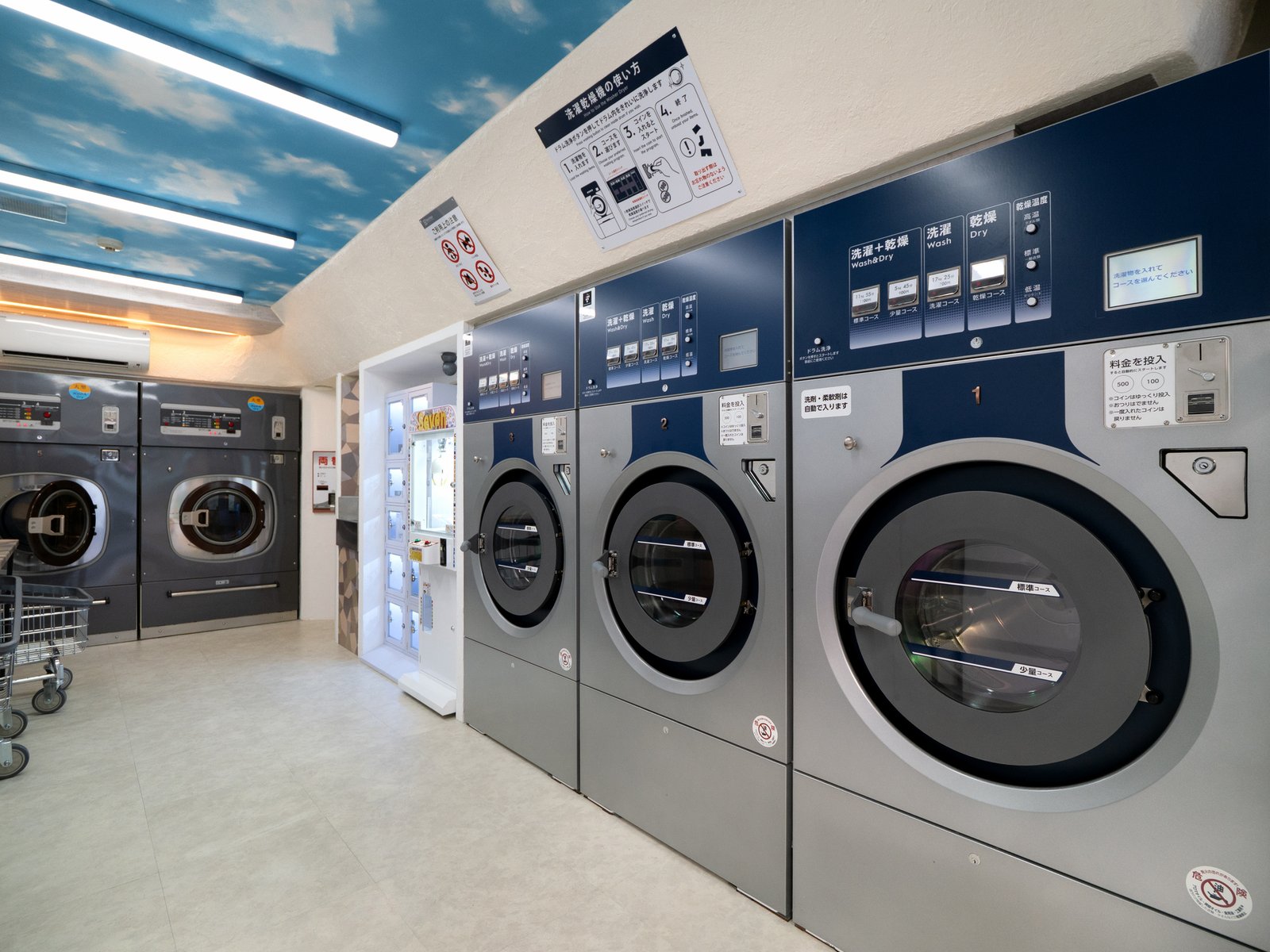
Laundry sits inside two sets of rules. In a coin laundry, the rules are the notices on the shop’s own walls. At home, they are your building’s: the lease, the notices in the entrance or hallway, and the management company or landlord. Shinjuku City’s page for foreign residents on life after moving in covers the restrictions in the lease, belongings and rubbish left in hallways or stairs, noise, and putting out rubbish.
Who this is for: anyone staying long enough to wash clothes, in a flat with or without a machine, who wants to know where the rules are written before relying on habit from home.
The short version: in a coin laundry, read the notices posted inside. There is no official guidance aimed at users; the guidelines ask shop operators to post notices. At home, check your lease and the building’s notices, then ask the management company or landlord. Public guides for foreign residents flag noise in shared housing; how your own building handles it is in its rules.
Where you stand now
| Your situation now | Check here first | Public page that bears on it |
|---|---|---|
| No washing machine in your room, so you use a coin laundry | The notices posted inside the shop | No public page aimed at users (see below) |
| A machine in your room, and the building’s rules or lease in hand | The lease and the building’s rules | Shinjuku City — daily life after moving in (English) |
| No rules in hand, and unsure where you may dry laundry | The management company or landlord, and your building’s own rules | — |
| Living in shared housing and wondering about noise, hallways or stairs | The building’s rules, then the management company | Immigration Services Agency guidebook (English, PDF) · Shinjuku City — daily life after moving in (English) |
| You cannot read the Japanese notices or papers | The management company or landlord, then a public consultation counter | Immigration Services Agency — support for new arrivals (Japanese) |
In a coin laundry: read the wall
There is no official guidance aimed at users; the guidelines ask shop operators to post notices: Ministry of Health, Labour and Welfare — guidelines as revised (Japanese).
Read the notices before the first load. If they give a contact, that is who to call when a machine stops.
At home: the building’s rules
Your building’s rules live in its paperwork and on its walls. Shinjuku City’s English page for foreign residents names leaving “your personal belongings in the hallway or stairwell” among the things to avoid, and says: “If you live in a housing complex, it is important to always remember to keep the volume of noise down so that you will not be a nuisance to your neighbors.” Its Japanese page says that not keeping to the eligibility conditions and restrictions on use written in the lease often leads to trouble with neighbours or to the owner asking a tenant to leave: Shinjuku City — daily life after moving in (English) · Japanese.
Three things to look for in your own rules:
- Noise. The Immigration Services Agency’s guidebook on living and working has a chapter on “Daily rules and customs” with an item headed “Making Noise”. Its Japanese edition names doing laundry early in the morning, alongside vacuuming and showering, as a loud noise to take care over, especially in apartment buildings. The English edition is an older edition than the Japanese one: guidebook, English (PDF) · guidebook, Japanese (PDF). Shinjuku City’s page on daily-life rules lists playing instruments and footsteps among the things to watch in shared housing, and notes that in shared housing a noise problem can end with a tenant being made to move out: Shinjuku City — daily-life rules and manners (Japanese).
- Shared hallways and stairs. Check what the rules say about leaving things outside your door.
- Drying laundry. Where you may hang washing is a question for your lease or the management company.
If you are in a hotel, a serviced apartment or a private lodging, the property’s own rules apply instead; see serviced apartment, hotel or minpaku.
If something goes wrong
| What happened | Next move |
|---|---|
| The notices or the lease are in Japanese only | Ask the management company or landlord. The Immigration Services Agency’s page for new arrivals points residents with problems in daily life to consultation desks, and links a list of regional consultation counters in English that does not cover every desk in each region: support for new arrivals (Japanese) · regional consultation counters (English, PDF) |
| A coin laundry machine stops or will not start | Use the contact on the shop’s notice, if it gives one |
| A neighbour raises noise with you | Talk to the management company or landlord |
For the wider set of checks after you move in, see the long-stay checklist. If you are still choosing between a hotel and a monthly apartment, see hotel or monthly apartment.
Making the call
Decide first where your washing happens. Without a machine, the coin laundry’s posted notices are the rules you work to. With one, the lease, the building’s notices and the management company are; the public pages above also cover belongings left in hallways or stairs, noise and the restrictions in the lease.
Official sources
| Topic | Source | Checked | Page’s own date |
|---|---|---|---|
| Coin laundry guidelines, as revised | Ministry of Health, Labour and Welfare — guidelines as revised (Japanese) | 2026-11-01 | — |
| Guidebook on living and working | moj.go.jp — English (PDF) · Japanese (PDF) | 2026-11-01 | — |
| Shinjuku City, after moving in | foreign.city.shinjuku.lg.jp — English · Japanese | 2026-11-01 | — |
| Shinjuku City, daily-life rules | city.shinjuku.lg.jp — rules and manners (Japanese) | 2026-11-01 | Last updated 16 September 2026 |
| Consultation | moj.go.jp — support for new arrivals (Japanese) · regional counters (English, PDF) | 2026-11-01 | English list: as of July 2026 |