Place name in Japanese: 津和野, Tsuwano.
Tsuwano, Shimane: the preserved castle-town district, the 1853 fire, and why the shrine writes Inari its own way
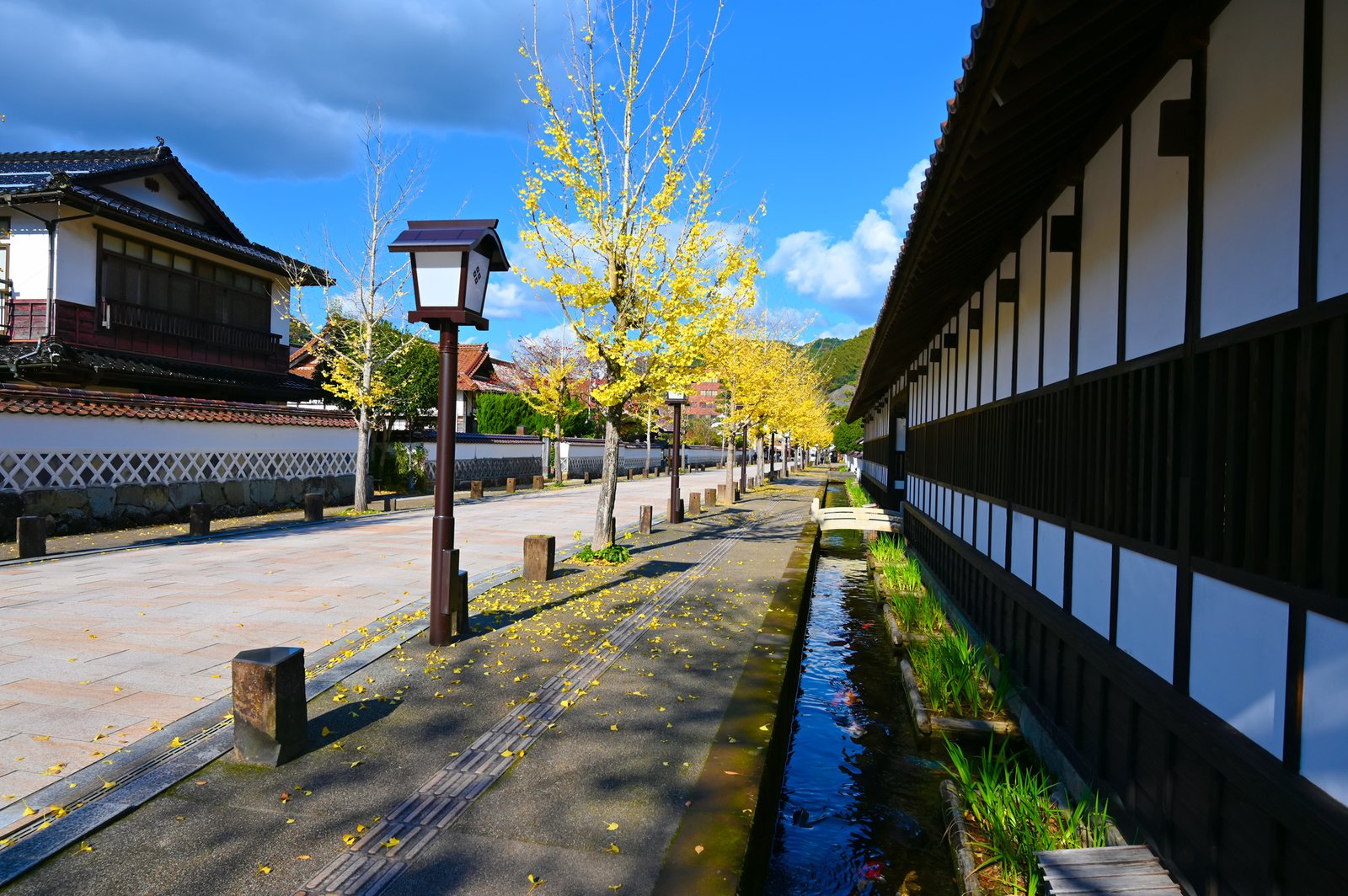
Tsuwano’s Japan Heritage visitor facility describes Tsuwano as a small castle town at the western edge of Shimane Prefecture, near the border with Yamaguchi Prefecture, with a little over 6,000 people and a main street of samurai buildings with white earthen walls and red roof tiles (Tsuwano Japan Heritage facility, access). The Agency for Cultural Affairs’ database records that part of the town was chosen on 7 August 2013 as a nationally selected district where historic buildings are kept as a group (Agency for Cultural Affairs, cultural properties database (in Japanese)).
Who this is for: travellers coming by train or bus for a day or a night who want to read the old streets, climb to the shrine above the town, and plan the journey in and out.
The short version: the JR Yamaguchi Line runs from Shin-yamaguchi to JR Tsuwano Train Station, and a Bocho Bus service links Hagi with the station. Tsuwano’s Japan Heritage visitor facility also works as a tourist information office. The townscape is made up of buildings put up after a fire swept the whole castle town in 1853.
Train, bus or bicycle
| If… | Then lean towards… | Check |
|---|---|---|
| You start from Shin-yamaguchi | The JR Yamaguchi Line from Shin-yamaguchi to JR Tsuwano Train Station | Tsuwano Japan Heritage facility, access |
| You come from Hagi | Bocho Bus from Hagi Central Bus Station, which the heritage facility notes is not covered by the Japan Rail Pass | Tsuwano Japan Heritage facility, access |
| You want to cover the town yourself | On foot or by rental bicycle, as the heritage facility suggests | Tsuwano Japan Heritage facility, access |
| You want to reach the outlying stops | The town’s local bus route, which runs only a few times a day | Tsuwano Town, local bus route (PDF, in Japanese) |
Times and fees to confirm
| Item | Time or fee | Where to check |
|---|---|---|
| Train departures from the station | Check official | JR West, station timetable for Tsuwano (in Japanese) |
| Buses between Hagi and Tsuwano | Check official | Bocho Bus, Hagi area timetable (PDF, in Japanese) |
| Town bus times and fares | Check official | Tsuwano Town, local bus route (PDF, in Japanese) |
| Heritage facility hours and closing day | Check official | Tsuwano Japan Heritage facility, access |
| Bicycle hire hours and rates | Check official | Tsuwano Japan Heritage facility, access |
- Weekday and weekend buses differ: the town’s bus sheet gives separate tables for weekdays, Saturdays, and Sundays and holidays, and marks some weekday runs as not running on school holidays.
- Rail pass: the heritage facility notes that the bus from Hagi is not covered by the Japan Rail Pass.
- Before you go: match your train or bus to the timetables above on the day you travel (JR West, station timetable for Tsuwano (in Japanese)).
What to do: fix your last train or bus out before you start walking. Where to verify: the Bocho Bus timetable (PDF, in Japanese).
Getting to Tsuwano
- By train: the heritage facility gives the route as Shin-yamaguchi Train Station, then the JR Yamaguchi Line to JR Tsuwano Train Station; JR West’s timetable page for the station splits its trains into those towards Masuda and those towards Yamaguchi and Shin-yamaguchi (JR West, station timetable for Tsuwano (in Japanese)).
- From Hagi: the bus operator’s Hagi-area timetable, revised on 1 October 2026, shows five buses a day from Hagi through Yoshibe and Tokusa to the stop in front of JR Tsuwano Train Station (Bocho Bus, Hagi area timetable (PDF, in Japanese)).
- Within the town: the town’s bus sheet shows a route run by Iwami Kotsu that calls at the station and at Tonomachi on its way to outlying stops, with a fare table by stop (Tsuwano Town, local bus route (PDF, in Japanese)).
- On arrival: the heritage facility says many visitors start there, since it also serves as a tourist information office with maps in six languages.
What to do: pick up a map at the heritage facility before setting off. Where to verify: the facility’s access page.
What the preservation district protects
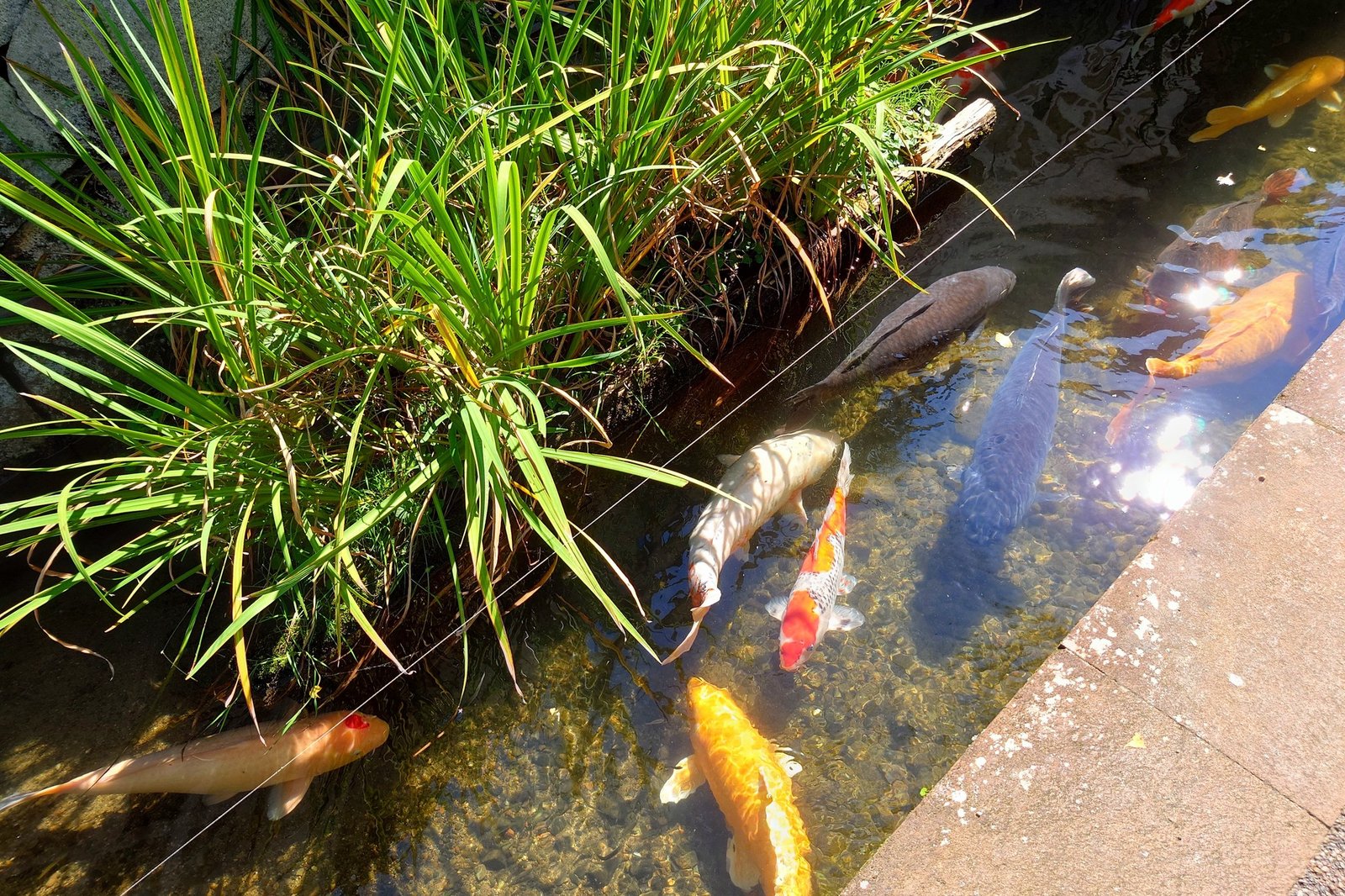
The database description says the district covers 11.1 hectares of the castle town as laid out by the early Edo period: the samurai quarter where senior retainers lived, and the merchant quarter along the old San’in road (Agency for Cultural Affairs, cultural properties database (in Japanese)). It notes that the street plots keep their old shape, and that parts of samurai residences, and townhouses and other buildings built between the late Edo period and the early Showa period, stand together with the waterways that run beside each street.
Tsuwano Town adds that, in the medieval period and earlier, people probably lived on the west side of the castle, with fields on the east side where today’s district lies, and that the castle town of that time is said to have been on the west side (Tsuwano Town, preservation district (in Japanese)). Building began in earnest when the Sakazaki family arrived from Okayama; after their 16 years of rule the Kamei family came from Shikano and finished the street layout that survives.
What to do: follow the waterways beside the streets to trace the old plot lines. Where to verify: the database entry (in Japanese).
The fire of 1853 and what came through it
Tsuwano Town’s page on the district says that late in the Edo period the great fire of the Kaei era, in 1853, reached every part of the castle town, so the townscape you see is made up of buildings put up after it (Tsuwano Town, preservation district (in Japanese)). Among the buildings from the years just after the fire that still stand, the town names the front gate of a chief retainer’s family in Tonomachi, the martial-arts building of the domain school, and two merchant houses.
The town says it now helps owners preserve and restore buildings so that the plots dating from the town’s early Edo-period layout, and the buildings from the closing years of the Edo period through to the early Showa period, can be handed on.
What to do: look for the gate and the school building as survivors of the years right after the fire. Where to verify: the town’s district page (in Japanese).
Inari written with a different character
Taikodani Inari Shrine explains its own name (Taikodani Inari Shrine, history (in Japanese)). It does not write Inari with the same characters as Fushimi Inari Taisha in Kyoto, from which its deity came, but swaps the second character for one meaning to come true, read the same way. The shrine says the choice reflects the wish of Kamei Norisada, the seventh lord of the Tsuwano domain, that prayers made here would be answered. Taikodani, the drum valley, takes its name from a corner of the castle hill where, in the Edo period, a drum was beaten to tell the time.
The shrine says Norisada founded it in 1773 by bringing the deity from Fushimi Inari Taisha, placing it to the northeast of the castle, and that until the Meiji era only the lord could worship there. The present main hall was finished in 1969, and the old one is kept as the Motomiya.
What to do: look for the second character of the shrine’s name on its signs. Where to verify: the shrine’s history page (in Japanese).
Official sources
| Topic | Source | Checked |
|---|---|---|
| Town profile, access routes, heritage facility, bicycles | Tsuwano Japan Heritage facility, access | 2026-11-11 |
| Preservation district selection and description | Agency for Cultural Affairs, cultural properties database | 2026-11-11 |
| District history and the 1853 fire | Tsuwano Town, preservation district | 2026-11-11 |
| Shrine name, founding, main hall | Taikodani Inari Shrine, history | 2026-11-11 |
| Trains | JR West, station timetable for Tsuwano | 2026-11-11 |
| Buses from Hagi | Bocho Bus, Hagi area timetable (PDF) | 2026-11-11 |
| Town bus | Tsuwano Town, local bus route (PDF) | 2026-11-11 |
What we have not verified
- Train times: the JR West page we opened listed only the directions, not the departures, so we give no times (JR West, station timetable for Tsuwano (in Japanese)).
- National designations for the castle ruins, the shrine’s treasures or the town’s festivals; we fetched no database page for them, so we give none (Tsuwano Town, preservation district (in Japanese)).
- The route and walking time from the station to the shrine; the shrine’s pages we opened do not give them.
- English names: Kamei Norisada, Taikodani as the drum valley, Fushimi Inari Taisha, the Motomiya, Okayama, Shikano, Yoshibe, Tokusa, Iwami Kotsu, Tonomachi, JR West, the Kaei era, the San’in road, the Sakazaki and Kamei families, the database’s name for the district and Tsuwano Town are our own romanizations or translations, and we refer to the Japan Heritage visitor facility by its role; the shrine, the stations, the Yamaguchi Line, Bocho Bus and Hagi Central Bus Station follow the facility’s English page (Tsuwano Japan Heritage facility, access).