Place name in Japanese: 柴又, Shibamata.
Shibamata, Katsushika, Tokyo: Taishakuten, the approach from the station and the ferry
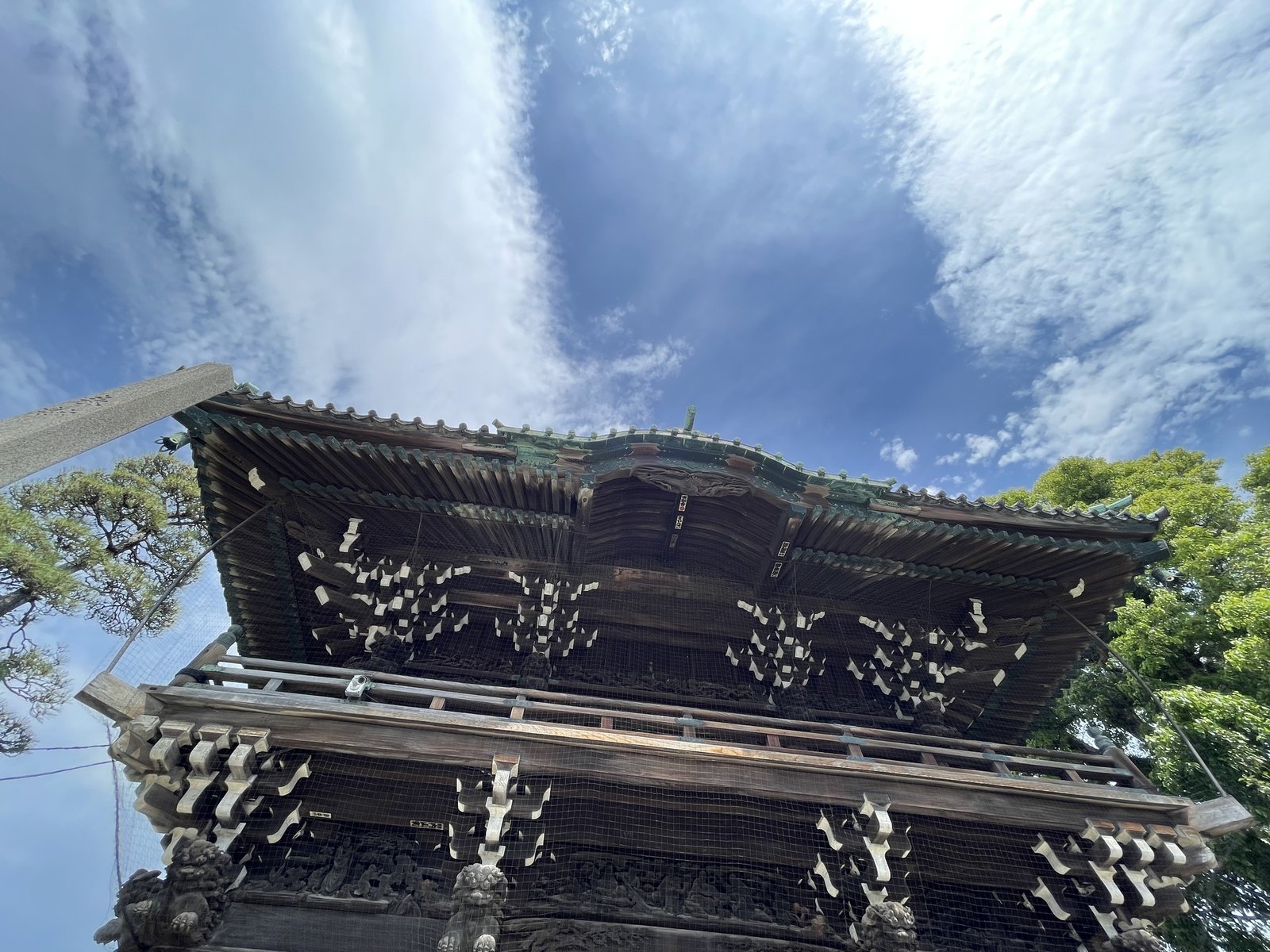
The Agency for Cultural Affairs database records the Cultural Landscape of Katsushika Shibamata as an important cultural landscape, and prints the selection on 13 February 2018, also printed as Heisei 30.02.13 in the Agency’s dating, over an area of 131.2 hectares in Katsushika, Tokyo (Agency for Cultural Affairs database (in Japanese)). The commentary places the Shibamata area at the eastern edge of Katsushika, on the right bank of the Edo River, and takes as its centre Taishakuten Daikyoji, opened on its present site in the early modern period, together with the later town in front of the temple, including a settled landscape along the approach by the early years of Showa (Agency for Cultural Affairs database (in Japanese)).
Who this is for: travellers arriving at Shibamata Station who want the walk along the approach, the printed fares, and what official pages say about the temple, the museum and the ferry.
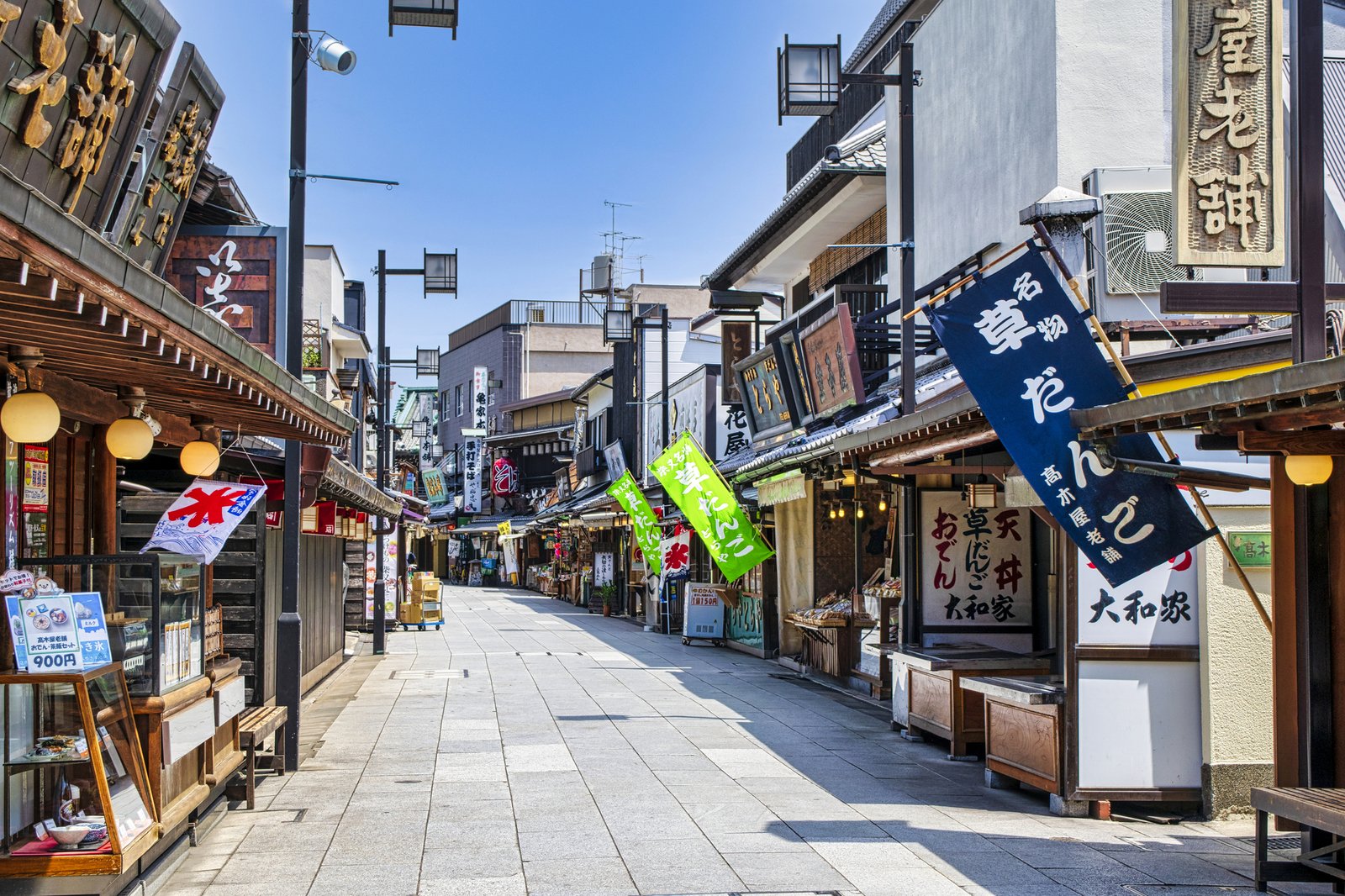
The short version: take the Keisei Kanamachi Line to Shibamata Station. The temple prints a walk of three minutes to Taishakuten. The city says that from the station plaza, with the statues it names Futen no Tora and Sakura seeing him off, you turn right to an arch and follow a stone-paved approach to the Nitenmon gate. A ticket of 400 yen for adults and 200 yen for elementary and junior high school pupils covers the sculpture gallery and the garden. The city’s Tora-san museum prints general admission of 500 yen, and hours from 9:00 to 17:00, with last entry at 16:30. Katsushika City and Matsudo City print different adult fares for the Yagiri ferry; check those pages for the fare and for whether the boat runs on the day you go.
The approach from the station, or the ferry first
| If… | Then lean towards… | Check |
|---|---|---|
| You arrive at Shibamata Station | Walk the stone-paved approach to the Nitenmon gate | Katsushika City, how to reach Taishakuten (in Japanese) |
| You want the sculpture gallery and the garden | One ticket covers both, as the temple prints | Shibamata Taishakuten, sculpture gallery (in Japanese) |
| You want the film museum the city names | The Katsushika Shibamata Tora-san Museum, an eight-minute walk from Shibamata Station | Katsushika City, Tora-san Museum (in Japanese) |
| You want the ferry across the Edo River | The Yagiri ferry, about ten minutes on foot from Shibamata Station on the Katsushika side, as the city prints; check whether it is running | Katsushika City, Yagiri ferry (in Japanese) |
What to do: walk from the station along the approach, and check the ferry pages before you count on the boat. Where to verify: the city page on reaching the temple (in Japanese) and the city page on the ferry (in Japanese).
Hours, admission and fares
| Item | Time or fee | Where to check |
|---|---|---|
| Sculpture gallery and garden, adult | 400 yen; one ticket covers both | Shibamata Taishakuten, sculpture gallery (in Japanese) |
| Sculpture gallery and garden, elementary and junior high school | 200 yen; 300 yen for adults in groups of 20 or more | Shibamata Taishakuten, sculpture gallery (in Japanese) |
| Tora-san Museum, general admission | 500 yen; 300 yen for elementary and junior high school pupils; 400 yen for visitors aged 65 and over, and for groups of 20 or more | Katsushika City, Tora-san Museum (in Japanese) |
| Tora-san Museum hours | 9:00 to 17:00; last entry at 16:30; closed on the third Tuesday, or the next weekday if that Tuesday is a holiday, and from the third Tuesday to Thursday in December; open over the year-end and New Year holiday | Katsushika City, Tora-san Museum (in Japanese) |
| Yagiri ferry fare, as printed by Katsushika City | 200 yen one way for adults, 100 yen for children, with a fare revision printed as October of Heisei 24 (2012) | Katsushika City, Yagiri ferry (in Japanese) |
| Yagiri ferry fare, as printed by Matsudo City | 300 yen for junior high school pupils and above, 100 yen for children aged 4 to elementary school | Matsudo City, Yagiri ferry (in Japanese) |
| Whether the ferry is running on the day | Check official | Katsushika City, Yagiri ferry (in Japanese) · Matsudo City, Yagiri ferry (in Japanese) |
| Shibamata Park parking square | 500 yen per visit for an ordinary car, 2,000 yen for a bus | Katsushika City, Shibamata Park (in Japanese) |
| Temple parking, ordinary car, as printed on the access page | 200 yen per 30 minutes, up to 1,500 yen; open 9:00 to 17:00 | Shibamata Taishakuten, access (in Japanese) |
What to do: use the printed museum hours and gallery ticket above, and check both cities’ ferry pages for the fare and for whether the boat runs. Where to verify: the city museum page (in Japanese) and the two ferry pages (in Japanese).
Getting there and how long it takes
Katsushika City says that from Shibamata Station on the Keisei Kanamachi Line you come out to the station plaza with the statues it names Futen no Tora and Sakura seeing him off, turn right to an arch, and follow a stone-paved approach, lined with shops, to the Nitenmon gate and the temple grounds (Katsushika City, how to reach Taishakuten (in Japanese)). The temple prints a walk of three minutes from Shibamata Station, and twelve minutes from Shin-Shibamata Station on the Hokuso Line (Shibamata Taishakuten, access (in Japanese)). The city prints a walk of about fifteen minutes from Shin-Shibamata to the temple (Katsushika City, how to reach Taishakuten (in Japanese)). From JR Kanamachi Station or JR Koiwa Station, the city says to take Keisei Bus Tokyo route Ko 55 and alight at Shibamata Taishakuten, where arches mark the approach on both sides of Shibamata-kaido (Katsushika City, how to reach Taishakuten (in Japanese)). The temple prints a ride of about fifteen minutes from Koiwa and about five minutes from Kanamachi (Shibamata Taishakuten, access (in Japanese)). The Tora-san museum is printed as an eight-minute walk from Shibamata Station, twelve minutes from Shin-Shibamata, and seven minutes from the Shibamata Taishakuten bus stop (Katsushika City, Tora-san Museum (in Japanese)).
The city’s ferry page places the Katsushika landing on the riverbank by a baseball field, about a ten-minute walk from Shibamata Station, up the bank behind the temple and along the Edo River (Katsushika City, Yagiri ferry (in Japanese)). It prints summer service every day from about 10:00 to 16:00, and winter service on Saturdays, Sundays, public holidays and Koshin days in the same hours (Katsushika City, Yagiri ferry (in Japanese)). Matsudo City prints daily service from mid-March to November, and on Saturdays, Sundays and public holidays from December to early March, with service also from 1 to 7 January, a closure on Mondays and Tuesdays in July and August except public holidays, hours from 10:00 to 16:00, and cancellation in bad weather or on other unscheduled days, to be confirmed by telephone (Matsudo City, Yagiri ferry (in Japanese)). Check those pages for whether the ferry is running on the day you go.
What to do: walk the approach from Shibamata Station, and check the ferry pages before you plan a crossing. Where to verify: the city page on reaching the temple (in Japanese) and the two ferry pages (in Japanese).
What to see
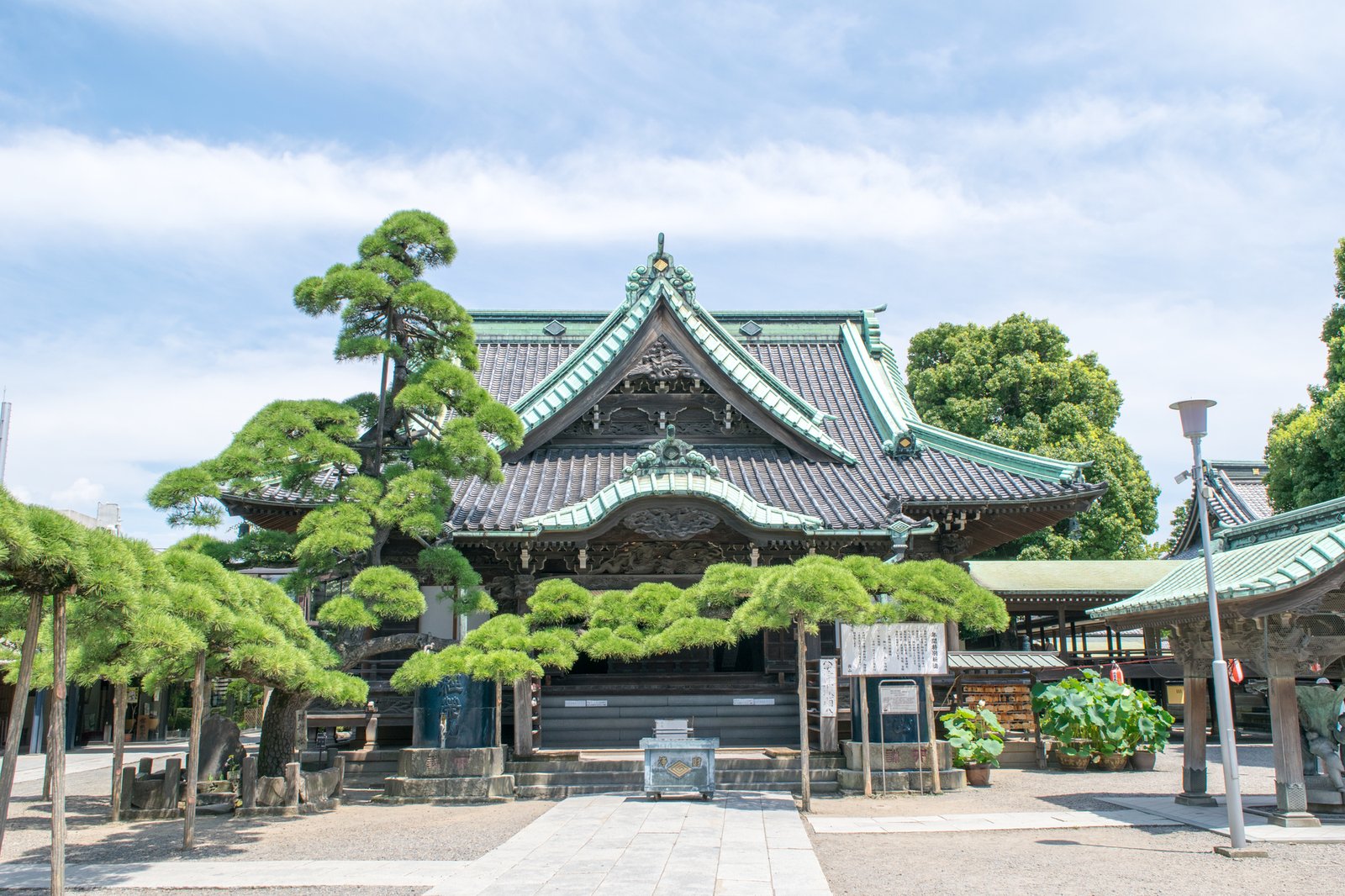
The city describes a stone-paved approach from the station plaza to the Nitenmon gate, with shops on both sides, and the temple grounds beyond the gate (Katsushika City, how to reach Taishakuten (in Japanese)). The temple calls that road the Taishakuten approach, and says it ends at the temple gate (Shibamata Taishakuten, access (in Japanese)). Its sculpture-gallery page says the same ticket covers the gallery and the garden, and describes carved panels on the outside of the Taishaku Hall, on themes from the Lotus Sutra, completed over more than ten years from the end of Taisho to the 9th year of Showa (1934) (Shibamata Taishakuten, sculpture gallery (in Japanese)). The garden page, using the name Suikei-en, says work began in the 4th year of Showa (1929) and took forty years, and describes a stroll garden around a pond (Shibamata Taishakuten, garden (in Japanese)).
The city’s history pages record the film Otoko wa Tsurai yo, the opening of the Katsushika Shibamata Tora-san Museum on 16 November 1997, with Yamada Yoji as honorary director, the statues in the station plaza in August 1999, and the Yamada Yoji Museum beside it on 15 December 2012 (Katsushika City, history (in Japanese)). The museum page says the Kurumaya set was moved from the Ofuna studio, and that Yamada wrote, scripted and directed the series, and is an honorary resident of the city (Katsushika City, Tora-san Museum (in Japanese)).
What to do: walk the official approach to the gate, and use the printed ticket if you want the gallery and the garden. Where to verify: the city page on reaching the temple (in Japanese) and the sculpture-gallery page (in Japanese).
A temple of a board image, and a landscape along the approach
The temple, which calls itself Kyoeizan Daikyoji of the Nichiren school, says it was founded in the Kan’ei years (1629), with the founding abbot Nichu of Nakayama Hokekyoji in Shimosa, and that the second abbot, Nichiei, carried out the actual founding (Shibamata Taishakuten, about the temple (in Japanese)). It records that a principal image of Taishakuten, long said to have been carved by Nichiren, went missing in the mid-Edo period, and was found in the spring of the 8th year of An’ei (1779) on a Koshin day, during repairs, on a beam of the main hall (Shibamata Taishakuten, about the temple (in Japanese)). Katsushika City’s history of the area likewise dates the finding of a board carved with an image of Taishakuten to 1779, on a Koshin day, and says the temple’s fair is still held on those days, which come once every sixty days; it also says the approach as it now stands was finished around the end of the Meiji period and took on the look of a shopping street in the Taisho period (Katsushika City, history of Shibamata (in Japanese)).
The Agency’s commentary ties that early-modern founding and the discovery of the board image in the late eighteenth century to a rise in visitors from Edo, then to a busier quarter in front of the temple after the railways were laid, and to a settled landscape along the approach by the early years of Showa (Agency for Cultural Affairs database (in Japanese)). Cultural Heritage Online prints the same name, the reading Katsushika-Shibamata no bunkateki keikan, the same commentary, and the selection date as 20180213 (Cultural Heritage Online (in Japanese)). The city’s museum says the landscape was selected on 13 February of Heisei 30 as an important cultural landscape, the first in Tokyo, with the temple and its later town at the centre (Katsushika City Museum, cultural landscape (in Japanese)).
What to do: read the place first as the Agency records it, a cultural landscape centred on the temple and the approach, and walk that approach as the city and the temple describe it. Where to verify: the Agency for Cultural Affairs database (in Japanese) and the city page on reaching the temple (in Japanese).
Official sources
| Topic | Source | Checked |
|---|---|---|
| Important cultural landscape, date, area and commentary | Agency for Cultural Affairs database | 2026-11-14 |
| Same name, reading, commentary and 20180213 date | Cultural Heritage Online | 2026-11-14 |
| Founding in the Kan’ei years, discovery of the board image in 1779 | Shibamata Taishakuten, about the temple | 2026-11-14 |
| Walk from Shibamata Station, statues, stone approach, Nitenmon | Katsushika City, how to reach Taishakuten | 2026-11-14 |
| Walk times, bus rides, temple parking | Shibamata Taishakuten, access | 2026-11-14 |
| Gallery and garden ticket, carvings | Shibamata Taishakuten, sculpture gallery | 2026-11-14 |
| Garden, start of the work in 1929 | Shibamata Taishakuten, garden | 2026-11-14 |
| Koshin fair, 1779, later form of the approach | Katsushika City, history of Shibamata | 2026-11-14 |
| Film title, museum and statues, Yamada Yoji | Katsushika City, history | 2026-11-14 |
| Museum hours, admission and access | Katsushika City, Tora-san Museum | 2026-11-14 |
| Park parking square | Katsushika City, Shibamata Park | 2026-11-14 |
| Ferry on the Katsushika side, fare and hours as the city prints them | Katsushika City, Yagiri ferry | 2026-11-14 |
| Ferry fare and operating calendar as Matsudo City prints them | Matsudo City, Yagiri ferry | 2026-11-14 |
| Landscape selection as printed by the city museum | Katsushika City Museum, cultural landscape | 2026-11-14 |
What we have not verified
- Opening hours for the temple grounds, the sculpture gallery and the garden. The non-top pages we fetched print the ticket for the gallery and the garden, but not those clocks. A link on those pages for prayer, visiting hours and fees points to the site’s top page, which we have not used as a source of values.
- Which of the two printed adult fares for the Yagiri ferry applies on a given day, and whether the boat is running. Use the city pages, which print the fares and the operating calendars (Katsushika City, Yagiri ferry (in Japanese); Matsudo City, Yagiri ferry (in Japanese)).
- Official English names for the temple, the approach, the gate, the stations, the bus route and the ferry, beyond the city’s print of Katsushika City, Matsudo City’s print of Matsudo City, the museum’s print of Katsushika City Museum, and the temple’s print of Taishakuten-Daikyoji.