Place name in Japanese: 佐原, Sawara.
Sawara, Chiba: the river-port town of Inoh Tadataka, the museum rules, and the bridge named for its sound
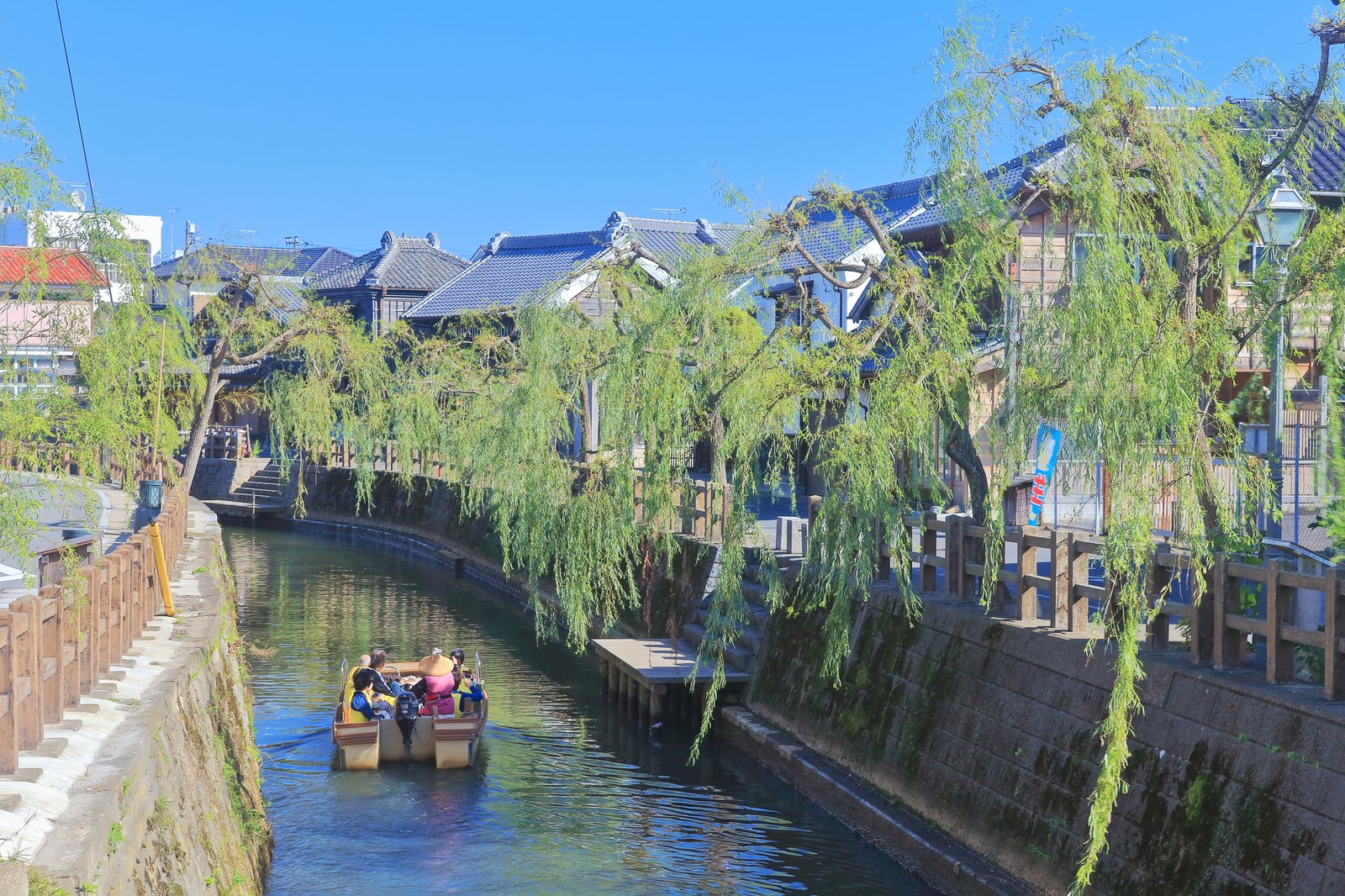
The national register describes Sawara as a river-port commercial town that prospered from the Edo period to the Taisho period as a collecting point for goods on the lower Tone River (Agency for Cultural Affairs, register entry for the Sawara district (in Japanese)). The protected district forms a cross, along the Ono River and along the Katori Kaido road, and the register notes that riverside landing places called dashi survive on the Ono River.
Who this is for: day visitors who want to see the Inoh Tadataka Museum and the surveyor’s former residence, walk the riverside district, and know the house rules before they go in.
The short version: the museum and the former residence face each other across the Ono River, linked by Toyohashi Bridge. Katori City puts the walk from JR Sawara Station at 15 minutes on its Japanese pages. Admission and closing days differ between the two, so check the city’s pages before you set out.
Museum, residence or boat
| Your situation | Our suggestion | Where to check |
|---|---|---|
| An hour between trains | The museum and the former residence; the city gives an average visit of 20 to 30 minutes for the museum and 5 to 10 minutes for the residence | Katori City, Inoh Tadataka Museum visitor guide (in Japanese) |
| Wanting to see the town from the water | A sightseeing boat from the dashi landing in front of the former residence, which the city says is now the boarding point | Katori City, Inoh Tadataka’s former residence (in Japanese) |
| Visiting early in the week | Checking the museum’s closing days first, because the residence keeps different ones | Katori City, Inoh Tadataka Museum visitor guide (in Japanese) |
| Coming by coach | Using the large-bus car park or the float museum car park, as the city asks; the town sightseeing car park takes ordinary cars only | Katori City, Inoh Tadataka Museum visitor guide (in Japanese) |
Hours, admission and dates to confirm
| Item | Value | Where to check |
|---|---|---|
| Museum opening hours and last entry | Check official | Katori City, Inoh Tadataka Museum visitor guide (in Japanese) |
| Museum admission and the joint ticket with the float museum | Check official | Katori City, Inoh Tadataka Museum visitor guide (in Japanese) |
| Museum closing days | Check official | Katori City, Inoh Tadataka Museum visitor guide (in Japanese) |
| Former residence hours, admission and closing days | Check official | Katori City, Inoh Tadataka’s former residence (in Japanese) |
| Boat fares and sailing hours | Not verified (see below) | Katori City, Inoh Tadataka’s former residence (in Japanese) |
| Train times at JR Sawara Station | Check official | East Japan Railway timetables (our translation), Sawara Station (in Japanese) |
| Town sightseeing car park fee | Check official | Katori City, Inoh Tadataka’s former residence (in Japanese) |
- Capacity: the city says the museum holds 150 people under fire regulations and that entry is paused when that number is reached.
- Changes: the city says it may close the museum or shorten its hours because of disasters or other reasons.
- Before you go: check the museum’s page for the day you plan to visit (Katori City, Inoh Tadataka Museum visitor guide (in Japanese)).
What to do: pick your day, then check both the museum and the residence pages. Where to verify: the city’s visitor guide (in Japanese).
Inside the museum and the residence
The museum’s requests to visitors are set out on the city’s visitor guide (Katori City, Inoh Tadataka Museum visitor guide (in Japanese)):
- Smoking: not allowed in the building.
- Food and drink: please do not eat or drink inside.
- Animals and plants: please do not bring them in; assistance dogs are allowed.
- Writing: only pencils may be used in the exhibition rooms, not ballpoint pens, fountain pens or brushes.
- Photos and video: not allowed in the exhibition rooms, except where a sign marks photography as allowed, and then for personal use only.
- Where photos are allowed: no flash or strobe, no touching or getting too close to the cases, no tripods, monopods or selfie sticks, and no shots that include people.
- Sharing: if you post a photo online or use it in a report, name the owner of the item.
For the former residence, the city asks visitors to watch their step on the stone steps and thresholds, and says the grounds are non-smoking with no open flames (Katori City, Inoh Tadataka’s former residence (in Japanese)).
What to do: bring a pencil if you want to take notes. Where to verify: the visitor guide (in Japanese).
Getting there
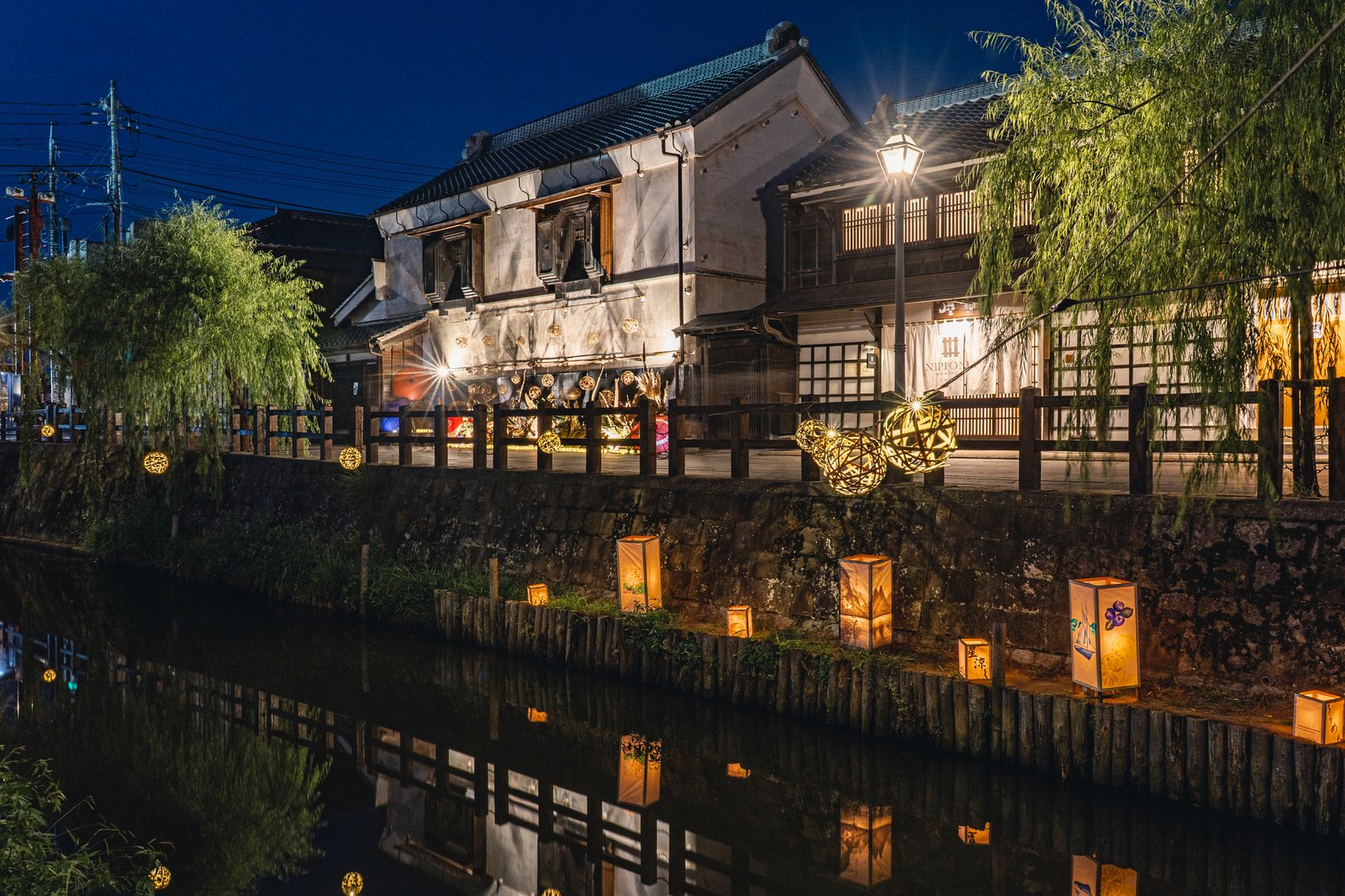
- By train: JR Sawara Station is served by the Narita Line, towards Choshi and towards Narita and Chiba, and by the Kashima Line towards Kashima-Jingu (East Japan Railway timetables (our translation), Sawara Station (in Japanese)). The city’s Japanese pages put the walk from the station to the museum at 15 minutes; its English page on Toyohashi Bridge prints about a 10-minute walk from JR Sawara Station to the bridge (Katori City, Toyohashi Bridge (English)).
- By highway bus: the city says two highway bus routes run from stops on the Yaesu side of Tokyo Station and take about 90 minutes without a change (Katori City, Toyohashi Bridge (in Japanese)).
- By car: 10 minutes from Sawara-Katori IC on the Kanto-Higashi Expressway, according to the city (Katori City, Inoh Tadataka Museum visitor guide (in Japanese)). The residence has no car park of its own; the city points to the town sightseeing car park, a 3-minute walk away (Katori City, Inoh Tadataka’s former residence (in Japanese)).
- Festival traffic: the city warns of traffic restrictions during the Sawara festivals in July and October and a marathon in December (Katori City, Inoh Tadataka Museum visitor guide (in Japanese)).
What to do: check the train or bus times for your return before you start walking. Where to verify: the railway’s timetable page for Sawara Station (in Japanese).
Three listings on the national register
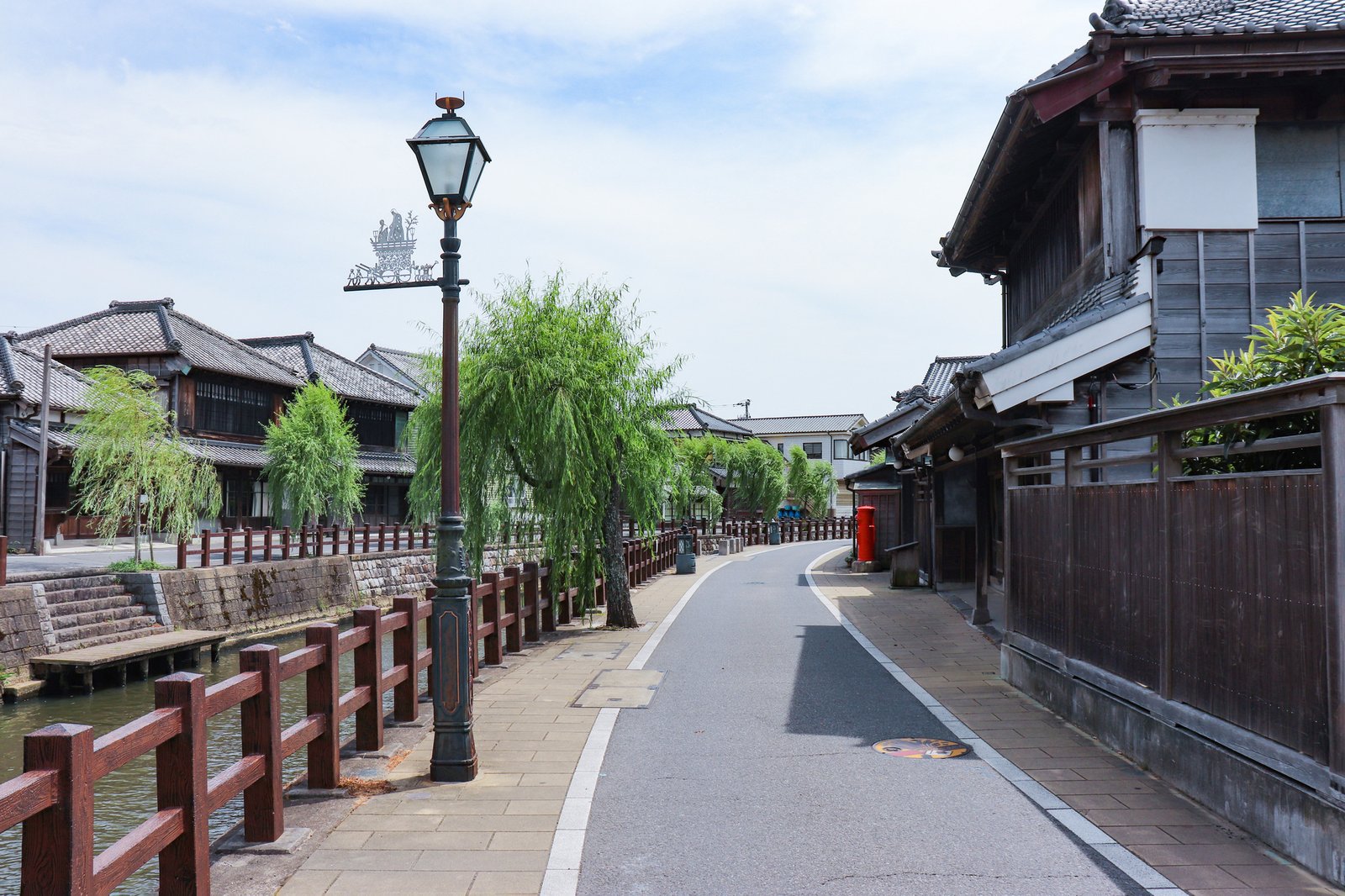
- The district: Katori City’s Sawara district was selected as a national preservation district for its groups of traditional buildings on 10 December 1996, as a merchant town of 7.1 hectares (Agency for Cultural Affairs, register entry for the Sawara district (in Japanese)). The register describes town houses, earthen storehouses and Western-style buildings in a mix of styles, wooden and storehouse-built, gabled and hipped, entered from the long side or the gable end.
- The former residence: listed as a Historic Site on 25 April 1930 (Agency for Cultural Affairs, register entry for Inoh Tadataka’s former residence (in Japanese)). Its old description says the shop was built before Tadataka’s time, and that a storehouse from his lifetime held his writings and belongings.
- The papers and instruments: the Inoh Tadataka materials, 2,345 items kept at the Inoh Tadataka Museum and owned by Katori City, were listed as an Important Cultural Property on 19 February 1957 and as a National Treasure on 29 June 2010 (Agency for Cultural Affairs, register entry for the Inoh Tadataka materials (in Japanese)). The register sorts them into maps and drawings, documents and records, letters, books, and instruments, and counts among them 123 survey maps made after the expeditions and 399 draft sheets.
What to do: look for the dashi steps along the river as you walk. Where to verify: the register entry for the district (in Japanese).
The surveyor’s career and his three family rules
The register’s detailed description gives the outline of the career (Agency for Cultural Affairs, register entry for the Inoh Tadataka materials (in Japanese)). Born in 1745 in Yamabe district of Kazusa province, Tadataka married into the Inoh family of Sawara village in 1762. In 1795, aged 51, he was allowed to retire and became a pupil of Takahashi Yoshitoki, the shogunate’s astronomer. From 1800 to 1816 he led ten survey expeditions along the coasts of the country, and after his death the maps were brought together in 1821 and presented to the shogunate. The register adds that in the early Meiji period several government offices made copies to use as a base map of the country.
The city’s page on Tadataka prints the family precepts he wrote, which it thinks he gave to his eldest son Kagetaka; its timeline dates them to 1791, and a stone carved with them stands in the grounds of the former residence (Katori City, about Inoh Tadataka (in Japanese)). Following the city’s modern explanation, the three rules say: never deceive anyone, care for your parents, keep peace among brothers and be honest; take good advice from people below you as well as above; and be modest and unhurried in speech and manner, never quarrelling with anyone.
What to do: find the precepts stone in the residence grounds. Where to verify: the city’s page on Tadataka (in Japanese).
Who designed the main house
The register’s description, written for the 1930 listing, says Tadataka designed the main house in 1793 and used it for his surveying studies (Agency for Cultural Affairs, register entry for Inoh Tadataka’s former residence (in Japanese)). The museum’s own page, which lists the main house as the study wing, says it was once thought to be his design, but is now thought to have been built in or after 1822, after his death (Katori City, about Inoh Tadataka (in Japanese)).
A bridge named for its noise
Toyohashi Bridge began as a large trough, built in the early Edo period to carry Sawara village’s irrigation water from the east bank of the Ono River to the rice fields on the other side (Katori City, Toyohashi Bridge (in Japanese)). The city says it was used for nearly 300 years; even after it became a concrete bridge before the war, water from the trough under it spilled into the river with a splashing sound that gave the bridge its nickname (Katori City, Toyohashi Bridge (in Japanese)). Today’s bridge was built for visitors, and water is released from it at set times (Katori City, Toyohashi Bridge (in Japanese)). The city adds that the falling water was chosen for the Ministry of the Environment’s 100 Soundscapes of Japan (Katori City, Toyohashi Bridge (in Japanese)).
What to do: wait on the bank for the next release of water. Where to verify: the city’s page on the bridge (in Japanese).
Official sources
| Topic | Source | Checked |
|---|---|---|
| Museum hours, admission, closing days, house rules, access | Katori City, Inoh Tadataka Museum visitor guide | 2026-11-14 |
| Former residence, the dashi boarding point, rules, parking | Katori City, Inoh Tadataka’s former residence | 2026-11-14 |
| Toyohashi Bridge and the highway bus | Katori City, Toyohashi Bridge | 2026-11-14 |
| English names and walking time | Katori City, Toyohashi Bridge (English) | 2026-11-14 |
| Tadataka’s precepts and the study wing | Katori City, about Inoh Tadataka | 2026-11-14 |
| Sawara district listing | Agency for Cultural Affairs, register entry for the Sawara district | 2026-11-14 |
| Former residence listing | Agency for Cultural Affairs, register entry for Inoh Tadataka’s former residence | 2026-11-14 |
| Inoh Tadataka materials listing and career | Agency for Cultural Affairs, register entry for the Inoh Tadataka materials | 2026-11-14 |
| Boat boarding point | Katori City, Inoh Tadataka’s former residence | 2026-11-14 |
| Train lines and times | East Japan Railway timetables (our translation), Sawara Station | 2026-11-14 |
What we have not verified
- The boat company’s own page, with its fares, sailing hours and rules for passengers; we could not read it and do not treat it as official; the link below is the city’s page on the boarding point (Katori City, Inoh Tadataka’s former residence (in Japanese)).
- Train journey times from Tokyo; the timetable pages we opened list departures from Sawara only (East Japan Railway timetables (our translation), Sawara Station (in Japanese)).
- Highway bus times and stops; the city gives two routes with stops that differ between its Japanese and English pages (Katori City, Toyohashi Bridge (in Japanese)).
- Which other places in Sawara are on the national register; we fetched only the three entries above (Agency for Cultural Affairs, register entry for the Sawara district (in Japanese)).
- English names: the Katori Kaido road, dashi, Taisho, Meiji, the Tone River, Kazusa, Yamabe, the Inoh family (the city’s spelling of the surname, extended by us), the Inoh Tadataka materials, Takahashi Yoshitoki, Kagetaka, Kashima-Jingu, East Japan Railway, the Narita Line, the Kashima Line, the Sawara festivals, the float museum, the study wing, the Agency for Cultural Affairs, the Ministry of the Environment, Yaesu, Narita, Chiba, Historic Site, Important Cultural Property, National Treasure and national preservation district for its groups of traditional buildings are our own romanizations or translations; Inoh Tadataka, the Inoh Tadataka Museum, the Ono River, Toyohashi Bridge, JR Sawara Station, Sawara-Katori IC, the Kanto-Higashi Expressway, Katori City, Choshi, Tokyo Station and the 100 Soundscapes of Japan follow the city’s English page, as do Sawara and Edo (Katori City, Toyohashi Bridge (English)).