Otaru Canal, Hokkaido: the walk from the station, how the canal was built and how part of it was saved
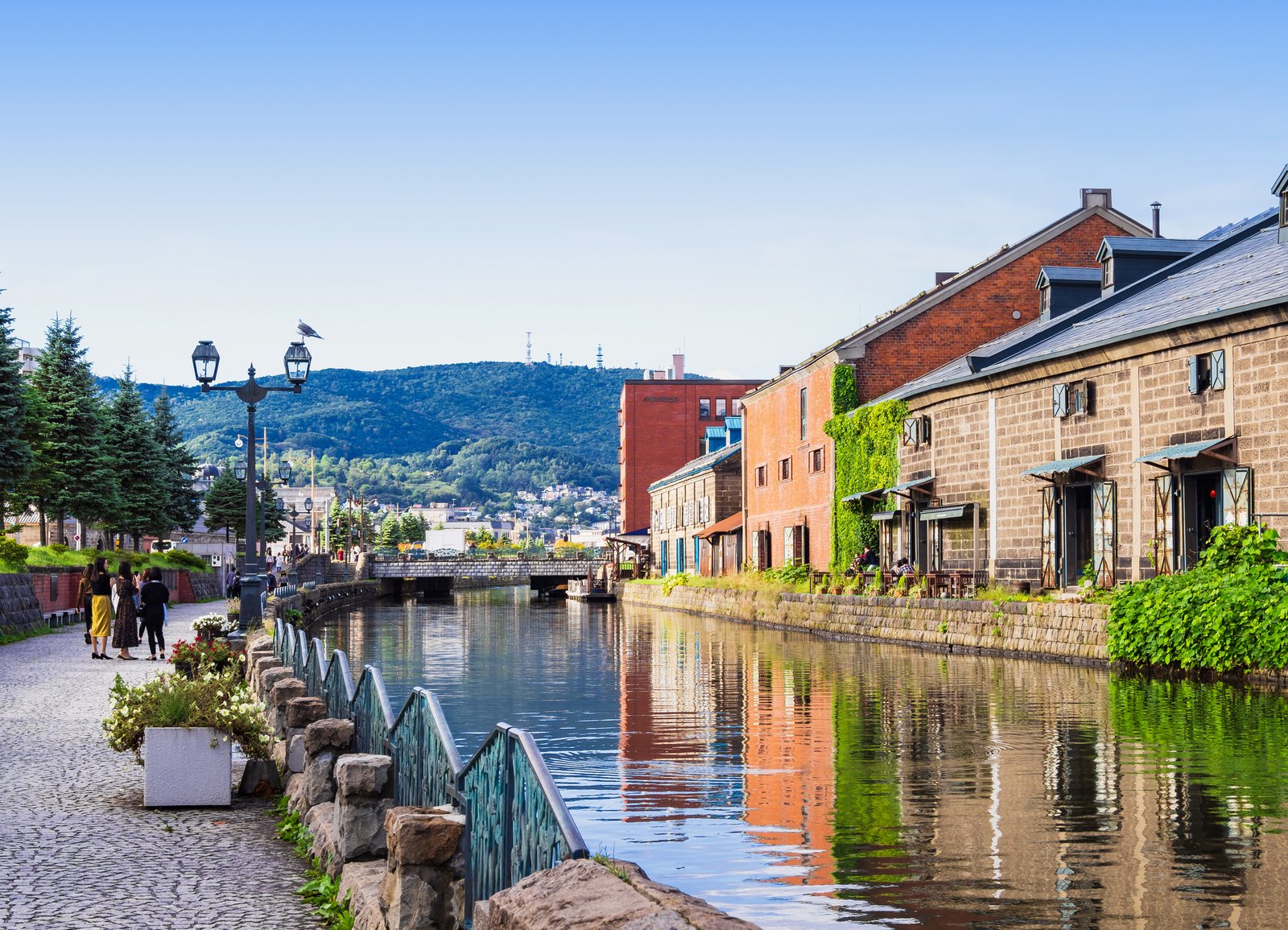
Otaru Canal is a waterway on the harbour side of central Otaru, Hokkaido, lined with stone warehouses. Otaru City says it was completed in 1923, is 1,140 m long, and is 20 m wide along the harbour-side road and still 40 m wide, as first built, in its northern section, known as the North Canal (Otaru City, Otaru Canal (in Japanese)). Otaru City says its story “Otaru, the ‘Heart of Hokkaido’” was recognised as Japan Heritage on 4 February 2025 (Otaru City, Japan Heritage recognition (in Japanese)); the Agency for Cultural Affairs gives the story’s English title as “Otaru, the ‘Heart of Hokkaido’: A Merchant City Reborn” (Agency for Cultural Affairs, Japan Heritage English leaflet). The agency’s Japan Heritage portal lists Otaru Canal among the story’s component cultural properties, with its designation status given as “undesignated” and its category as “historic site” (Agency for Cultural Affairs, Japan Heritage portal: Otaru Canal (in Japanese)).
Who this is for: travellers coming to Otaru by train who want to walk the canal and understand how it was built and why only part of it is still water.
The short version: Otaru City gives the canal as an 8-minute walk from JR Otaru Station. The canal was made by reclaiming land offshore rather than by digging inland, which the city says is why it curves. In 1986, after a dispute over filling it in that lasted more than ten years, part was filled, half its width became a road, and a walking path was laid out.
What to plan for
| If… | Then lean towards… | Check |
|---|---|---|
| You are coming by train | JR Otaru Station, then the 8-minute walk the city gives | JR Hokkaido, station information (in Japanese) |
| You want to see the canal at its original width | The North Canal, which the city says is still 40 m wide | Otaru City, Otaru Canal (in Japanese) |
| You want to see a warehouse from the canal’s early years | The Former Otaru Warehouse, a city-designated historic building | Otaru City, Former Otaru Warehouse (in Japanese) |
| You come at dusk | The city says the gas lamps on the path are lit and the warehouses are lit up at dusk | Otaru City, Otaru Canal (in Japanese) |
Getting there: the walk from JR Otaru Station
Otaru City’s page on the canal gives the access as an 8-minute walk from JR Otaru Station (Otaru City, Otaru Canal (in Japanese)). JR Hokkaido’s station information for Otaru gives it the station number S15 and lists a staffed ticket office, automatic ticket gates, gates that take Kitaca IC cards, a ticket machine with a video link to an operator, and station lockers (JR Hokkaido, station information (in Japanese)).
The station is itself on the Japan Heritage list: the Agency for Cultural Affairs’ portal includes the JR Otaru Station building and platforms among the story’s component cultural properties, as a registered tangible cultural property (structures) (Agency for Cultural Affairs, Japan Heritage portal: component cultural properties (in Japanese)).
What to do: look up your train and the station’s current service on JR Hokkaido’s pages before you set out, then walk down to the canal. Where to verify: JR Hokkaido’s station information (in Japanese).
How part of the canal was saved
Otaru City’s timeline for the canal’s centenary sets out the dates. Reclamation work began in 1914 and the canal was completed in 1923, at the height of cargo handling by lighters. By around the 1950s the number of lighters had fallen below 100. A plan to fill in the canal came in 1966, stone warehouses were demolished in 1971, and the Society to Protect Otaru Canal was founded in 1973, starting the preservation movement. Work to fill in part of the canal began in 1983, and the canal walking path was completed in 1986 (Otaru City, Otaru Canal centenary (in Japanese)).
The Agency for Cultural Affairs’ Japan Heritage portal tells what happened in between. As the port’s cargo fell sharply from the mid-1960s and quays took over from lighters, the canal fell into decay: methane bubbled up from sludge that had built up over many years, and broken boats lay sunk in it. A plan was decided to pull down warehouses and fill the canal to make a road, and demolition of warehouses in the Arihoro district began. The society and local people then ran a preservation movement for some ten years. Young people answered its call with a home-made citizens’ event among the canal and its stone warehouses, the “Port Festival in Otaru”, which brought 60,000 people to the canal, and they also gathered 97,000 signatures in two months. The movement also put forward a concrete plan for another road. It could not save the whole canal, but part of it was laid out as a walking path (Agency for Cultural Affairs, Japan Heritage portal: the story (in Japanese)).
Otaru City sums up the outcome: in 1986, after a dispute over the filling that lasted more than ten years, part of the canal was filled, half its width became a road, and a walking path and small parks were laid out, giving the canal its present form (Otaru City, Otaru Canal (in Japanese)).
What to do: walk the 20 m stretch by the road and then the 40 m North Canal, and compare the two widths. Where to verify: Otaru City’s canal page (in Japanese).
A canal built offshore, and the details on the path
Otaru City explains the canal’s origin. Large ships anchored offshore and cargo was brought ashore by lighters, barges that ferried goods to the shore. As the amount of cargo grew, the work had to be made more efficient, so the sea was filled in to give the lighters a longer stretch of shore to tie up along. Because the canal was made by reclaiming land offshore rather than digging inland, it is not straight but curves gently (Otaru City, Otaru Canal (in Japanese)).
The city also points out the details of the path: 63 gas lamps; a fence whose design is based on the white birch, the city’s tree; three monuments; small granite blocks set into the paving in a ginkgo-leaf pattern; and reliefs on themes from Otaru’s history in four small rest areas (Otaru City, Otaru Canal (in Japanese)).
One warehouse by the canal is older than the canal itself. Otaru City designated the Former Otaru Warehouse as its historic building No. 13 on 23 July 1985. Built between 1890 and 1894, it was one of the commercial warehouses put up just after the shore at Ironai was reclaimed; the first warehouse, to the right of the front, was extended until it formed a large warehouse around two courtyards, with a hipped tiled roof topped by shachi, mythical fish ornaments, and a brick office at the centre of a symmetrical front (Otaru City, Former Otaru Warehouse (in Japanese)).
What to do: look for the curve of the canal from the path, and at the paving and the relief panels as you walk. Where to verify: Otaru City’s canal page (in Japanese).
What we have not verified
Check official before you go: train times, the station’s services and events on the canal, such as the winter Snow Light Path, can change, so use the operator and city pages linked on this page (JR Hokkaido, station information (in Japanese); Otaru City, Otaru Canal (in Japanese)).
- Train and bus times: no timetable page was among the pages used, so no journey times are given.
- Lighting times: the city says the lamps are lit at dusk; exact times are not confirmed here.
- Canal boats: the city mentions sightseeing boat piers nearby, but no boat operator’s page was among the pages used, so no boat service is given.
- The completion of the canal: the city’s canal page gives 1923 for completion; how the city’s other pages divide the works into stages is not confirmed here.
- Other designations: only the designations printed on the pages used are given; other national or city listings for the canal area are not confirmed here.
- English names: apart from the Former Otaru Warehouse, which the city prints in English, the names above are this site’s renderings.
Official sources
| Topic | Source | Checked |
|---|---|---|
| Completion, length and widths, North Canal, lighters, offshore reclamation and the curve, 1986, path details, walk from the station | Otaru City, Otaru Canal | 2026-11-11 |
| Timeline from 1914 to 1986 | Otaru City, Otaru Canal centenary | 2026-11-11 |
| Japan Heritage recognition on 4 February 2025 | Otaru City, Japan Heritage recognition | 2026-11-11 |
| City-designated historic building No. 13 | Otaru City, Former Otaru Warehouse | 2026-11-11 |
| English title of the story | Agency for Cultural Affairs, Japan Heritage English leaflet | 2026-11-11 |
| Otaru Canal: status and category | Agency for Cultural Affairs, Japan Heritage portal: Otaru Canal | 2026-11-11 |
| Station building and platforms: status | Agency for Cultural Affairs, Japan Heritage portal: component cultural properties | 2026-11-11 |
| The decline, the preservation movement, the festival and signatures | Agency for Cultural Affairs, Japan Heritage portal: the story | 2026-11-11 |
| Station number and facilities | JR Hokkaido, station information | 2026-11-11 |