Place name in Japanese: 下呂温泉, Gero Onsen.
Gero Onsen, Gifu: the three-inn bath pass, the walk from the station, and the spring on the riverbed
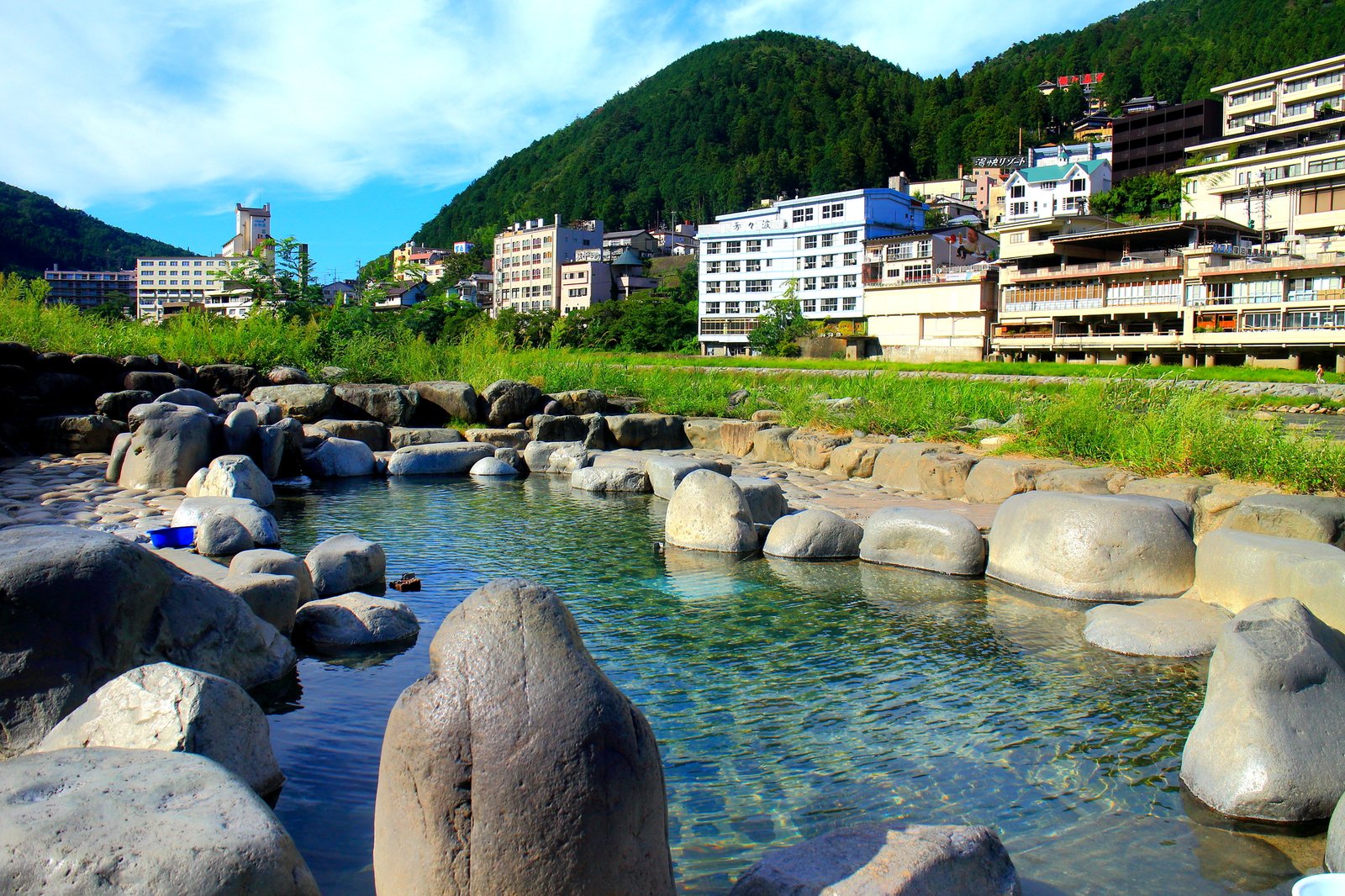
Gero Onsen is a hot-spring town in Gero City, Gifu Prefecture. The city describes the water as a simple alkaline hot spring, colourless and faintly scented, and says a spring pool on the riverbed of the river that runs through the centre of the town is the symbol of the resort (Gero City, introduction to Gero Onsen (in Japanese)).
Who this is for: travellers arriving by train who want to use the bath pass or a day-trip bath, and to know the city’s account of how the spring was found.
The short version: from JR Gero Station, two day-trip baths say it is about a 12-minute walk. The bath pass sold by the Gero Onsen Ryokan Cooperative costs 2,500 yen including tax, is valid for three member inns, and remains valid for six months from the day of purchase. Hours at each inn differ, so check the cooperative’s list before you go.
Pass, day-trip bath or train
| If… | Then lean towards… | Check |
|---|---|---|
| You want to bathe at three member inns | The cooperative’s bath pass, sold as a set with a towel and a pouch | Gero Onsen Ryokan Cooperative, bath pass (in Japanese) |
| You want a public day-trip bath from the morning | Kua Garden Rotenburo, open from 8:00, about a 12-minute walk from the station in the operator’s figure | Kua Garden Rotenburo |
| You want the older public bathhouse | Shirasagi-no-Yu, open from 10:00, also about a 12-minute walk from the station in the operator’s figure | Shirasagi-no-Yu |
| You come by train | JR Gero Station; then walk, or check the connecting bus | JR Central, Gero Station (in Japanese) |
| You come by bus from Takayama | The Nohi Bus Gero line; check the company’s timetable | Nohi Bus, Takayama to Gero Onsen (in Japanese) |
Times, hours and fees
| Item | Time or fee | Where to check |
|---|---|---|
| Bath pass | 2,500 yen including tax, valid for three member inns, for six months from the day of purchase | Gero Onsen Ryokan Cooperative, bath pass (in Japanese) |
| Bath-pass hours at each inn | Check official | Gero Onsen Ryokan Cooperative, bath pass (in Japanese) |
| Where to buy the pass | Member inns, souvenir shops, convenience stores, and two city-run tourist information offices | Gero City, bath pass (in Japanese); Gero City, tourist information offices (in Japanese) |
| City tourist information offices | 9:00 to 17:00 | Gero City, tourist information offices (in Japanese) |
| Kua Garden Rotenburo, hours | 8:00 to 20:45, last admission 20:00; closed on Thursdays | Kua Garden Rotenburo |
| Kua Garden Rotenburo, admission | 800 yen for adults, 400 yen for elementary-school children, 200 yen for infants | Kua Garden Rotenburo |
| Shirasagi-no-Yu, hours | 10:00 to 20:45, last admission 20:00; closed on Wednesdays, or on Fridays when Wednesday is a national holiday | Shirasagi-no-Yu |
| Shirasagi-no-Yu, admission | 470 yen for adults, 180 yen for elementary-school children, 100 yen for infants | Shirasagi-no-Yu |
| Train times | Check official | JR Central, Gero Station (in Japanese) |
| Bus times and fares | Check official | Nohi Bus, Gero line timetable (in Japanese) |
- Children and the pass: the cooperative says bathing is free for children aged three or under; children from four to twelve (elementary-school age) may, if they are with an adult, use one pass at the same time as that adult; from junior-high-school age they are treated as adults.
- When inns may refuse a pass holder: the city and the cooperative both say an inn may be unable to take pass holders on the day, including at Golden Week, the year-end and New Year holidays, and Obon; hours and parking also differ from inn to inn.
- Bathing notes: the cooperative asks you to wash before you enter the bath, and sets out the other rules on its notes page (Gero Onsen Ryokan Cooperative, bath-pass notes (in Japanese)).
- Before you go: check the cooperative’s bath-pass page and the railway company’s station page, which can change (Gero Onsen Ryokan Cooperative, bath pass (in Japanese); JR Central, Gero Station (in Japanese)).
What to do: decide first whether you want the three-inn pass or a public day-trip bath, then confirm the hours for that day. Where to verify: the cooperative’s bath-pass page (in Japanese) and the operator’s Kua Garden page.
Getting there and how long it takes
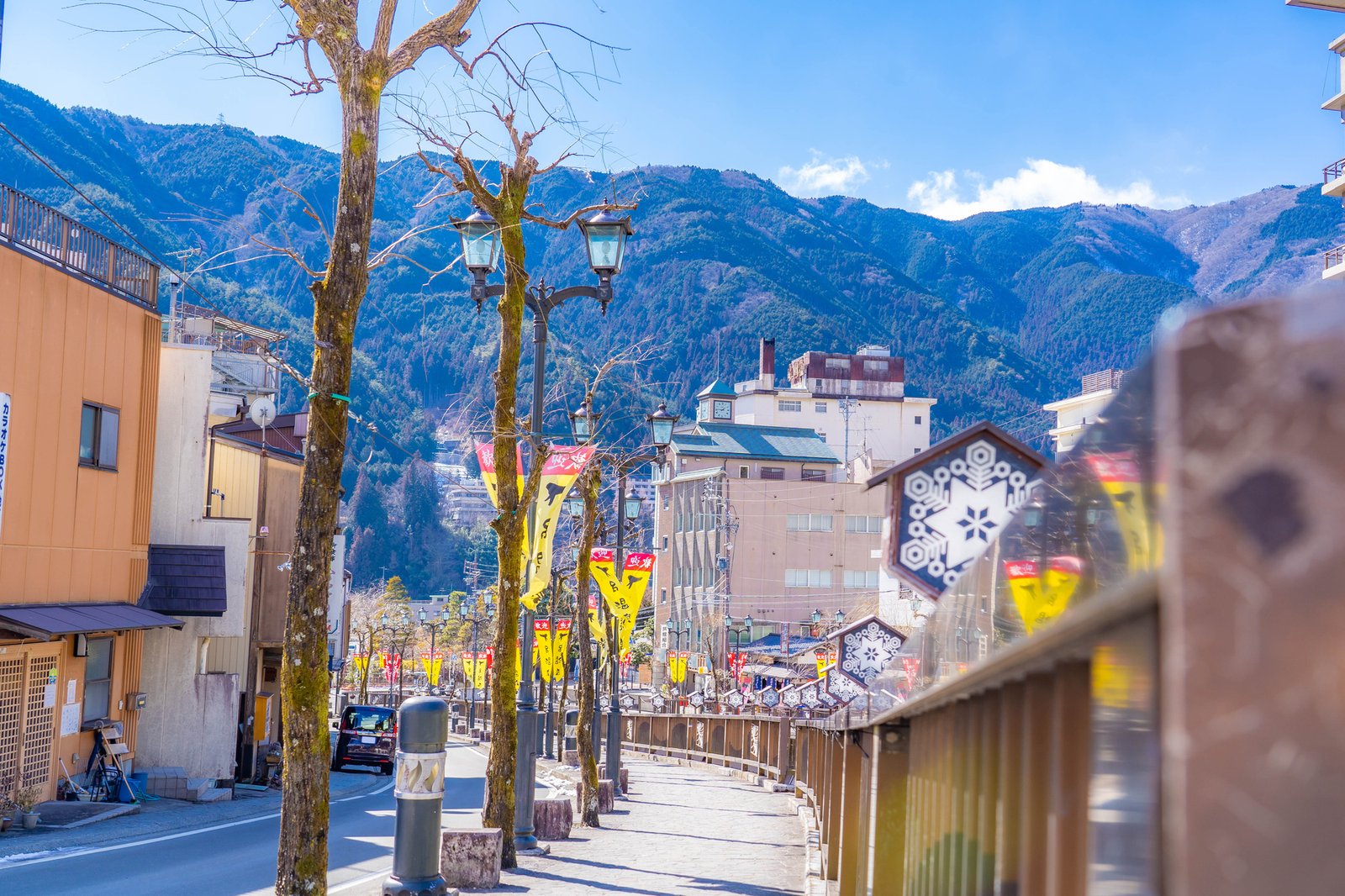
- By train: the railway company prints the station name as Gero, and lists the Japanese name of the line that serves the station on the same page (JR Central, Gero Station (in Japanese)). For departure times, use the railway company’s timetable; when this page was checked, the station timetable view was under maintenance (JR Central, Gero Station timetable (in Japanese)).
- On foot: the operators of Kua Garden Rotenburo and Shirasagi-no-Yu both say it is about a 12-minute walk from JR Gero Station (Kua Garden Rotenburo (in Japanese); Shirasagi-no-Yu (in Japanese)).
- By bus: the railway company lists Nohi Bus as the connecting bus operator. The company publishes a Gero line between Takayama and Gero, with stops that include the front of Gero Station; check its timetable for times and fares (Nohi Bus, Takayama to Gero Onsen (in Japanese); Nohi Bus, Gero line timetable (in Japanese)).
What to do: arrive at JR Gero Station and walk to the baths, about 12 minutes in the operators’ figure. Where to verify: the railway company’s station page (in Japanese) and the Kua Garden page.
What to see
The city describes a spring pool on the riverbed of the river that runs through the centre of the town as the symbol of Gero Onsen, a place to see the source and to take photographs (Gero City, introduction to Gero Onsen (in Japanese)). A city notice says that from 1 December 2021 use of the pool has been limited to a foot-bath, and the city’s introduction says bathing there has been prohibited from that date (Gero City, use of the spring pool (in Japanese)). For a full bath, use the pass at a member inn, or one of the public day-trip baths: Kua Garden Rotenburo, which the operator describes as an open-air spa beside the river, or Shirasagi-no-Yu, an older public bathhouse with an indoor wooden bath (Kua Garden Rotenburo; Shirasagi-no-Yu).
What to do: look at the spring pool from the riverbed, then bathe at an inn or a day-trip bath, not in the pool. Where to verify: the city’s notice on the spring pool (in Japanese).
How the spring is said to have been found
The city says Gero Onsen is said to have been discovered in the mid-Heian period, in the Tenryaku years (947 to 957), near the summit of a mountain about four kilometres from the town, 1,067 metres above sea level; it also notes that some texts place the discovery in the Engi years (901 to 923) (Gero City, introduction to Gero Onsen (in Japanese)). In the second year of Bun’ei (1265), the same page says, the water near the summit stopped, and the spring was found again on the riverbed in the centre of the present town (Gero City, introduction to Gero Onsen (in Japanese)). The city says a tradition about that rediscovery, a story of a wounded white egret, is still told there (Gero City, introduction to Gero Onsen (in Japanese)).
What to do: at the spring pool on the riverbed, remember that the city treats this as the place where the water was found again. Where to verify: the city’s introduction (in Japanese).
Official sources
| Topic | Source | Checked |
|---|---|---|
| Bath pass, price, validity, child rules | Gero Onsen Ryokan Cooperative, bath pass | 2026-11-14 |
| Bath-pass conditions and bathing notes | Gero Onsen Ryokan Cooperative, bath-pass notes | 2026-11-14 |
| Bath-pass sales, city wording | Gero City, bath pass | 2026-11-14 |
| Spring quality, discovery, spring pool | Gero City, introduction to Gero Onsen | 2026-11-14 |
| Spring pool, foot-bath only from 1 December 2021 | Gero City, use of the spring pool | 2026-11-14 |
| City tourist information offices, hours, pass sales | Gero City, tourist information offices | 2026-11-14 |
| Kua Garden Rotenburo, hours, fees, walking time | Kua Garden Rotenburo | 2026-11-14 |
| Shirasagi-no-Yu, hours, fees, walking time | Shirasagi-no-Yu | 2026-11-14 |
| Station name and connecting bus | JR Central, Gero Station | 2026-11-14 |
| Station timetable view | JR Central, Gero Station timetable | 2026-11-14 |
| Bus route, Takayama to Gero | Nohi Bus, Takayama to Gero Onsen | 2026-11-14 |
| Bus timetable | Nohi Bus, Gero line timetable | 2026-11-14 |
What we have not verified
- The railway company’s own English name for the line that serves Gero Station, which the station page gives only in Japanese, and the departure times, because the station timetable view was under maintenance when it was checked (JR Central, Gero Station (in Japanese); JR Central, Gero Station timetable (in Japanese)).
- An official English name for the bath pass and for the spring pool on the riverbed (Gero Onsen Ryokan Cooperative, bath pass (in Japanese); Gero City, introduction to Gero Onsen (in Japanese)).
- A national designation for Gero Onsen itself in the national cultural properties database; none is written here.