Dazaifu Tenmangu, Fukuoka: the Nishitetsu train from Tenjin, opening hours, the 1591 honden and the flying plum
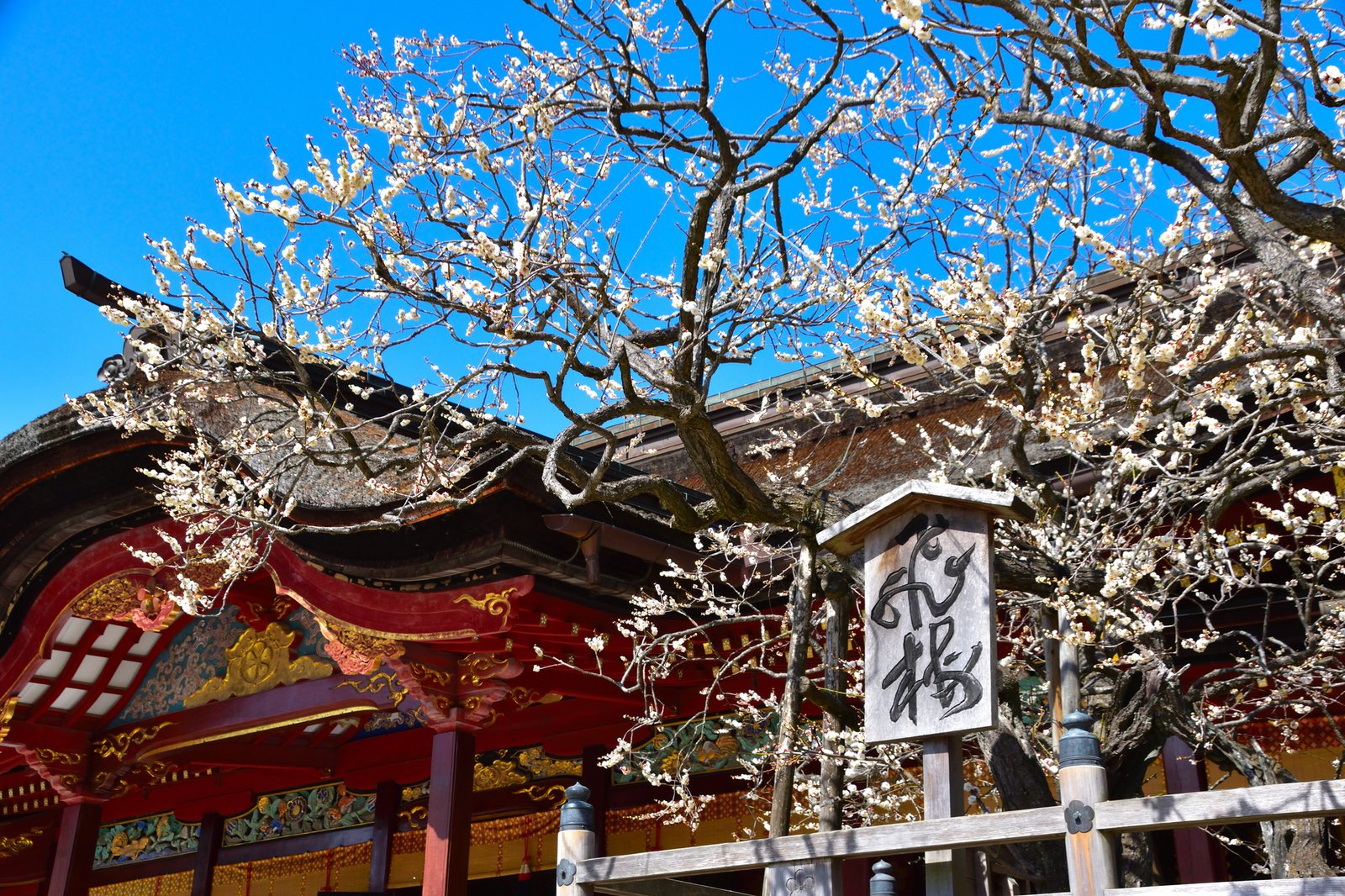
Dazaifu Tenmangu in Dazaifu enshrines Sugawara Michizane (845–903), worshipped as the deity Tenjin, and its honden marks his final resting place (Dazaifu Tenmangu, Explore the Grounds). The Agency for Cultural Affairs database lists the honden as an Important Cultural Property (building), designated on 27 May 1907 (Agency for Cultural Affairs database (in Japanese); National designated cultural properties database (in Japanese)).
Who this is for: travellers in central Fukuoka who want to visit the shrine by train.
The short version: take a Nishitetsu train from Nishitetsu Fukuoka (Tenjin) Station, change at Nishitetsu Futsukaichi Station to the Dazaifu Line, then walk about five minutes from Dazaifu Station. Entry to the grounds is free, and the gates close earlier in winter. Always follow the official pages linked below.
Limited express or express
| If… | Then lean towards… | Check |
|---|---|---|
| You want the shorter ride to the change | A limited express, which the railway’s timetable shows taking 15 minutes from Nishitetsu Fukuoka (Tenjin) to Nishitetsu Futsukaichi | Nishitetsu timetable, Fukuoka (Tenjin) to Dazaifu (in Japanese) |
| An express leaves sooner | An express, which the same timetable shows taking 16 minutes to Nishitetsu Futsukaichi | Nishitetsu timetable, Fukuoka (Tenjin) to Dazaifu (in Japanese) |
Times, hours and fees
| Item | Time or fee | Where to check |
|---|---|---|
| Nishitetsu Fukuoka (Tenjin) to Nishitetsu Futsukaichi, limited express | 15 minutes | Nishitetsu timetable, Fukuoka (Tenjin) to Dazaifu (in Japanese) |
| Nishitetsu Futsukaichi to Dazaifu, Dazaifu Line | 6 to 7 minutes | Nishitetsu timetable, Fukuoka (Tenjin) to Dazaifu (in Japanese) |
| Train fare, Nishitetsu Fukuoka (Tenjin) to Dazaifu | 480 yen | Nishitetsu timetable, Fukuoka (Tenjin) to Dazaifu (in Japanese) |
| Dazaifu Station to the shrine on foot | About 5 minutes | Dazaifu Tenmangu, FAQ |
| Gates open | By 6:30 (6:00 at the earliest times of year) | Dazaifu Tenmangu, FAQ |
| Gates close, December to March | 18:30 | Dazaifu Tenmangu, FAQ |
| Gates close, June to August | 19:30 | Dazaifu Tenmangu, FAQ |
| Gates close, other months | 19:00 | Dazaifu Tenmangu, FAQ |
| Grounds and main sanctuary | No entrance fee | Dazaifu Tenmangu, FAQ |
| On-site museums, last admission | 16:00 | Dazaifu Tenmangu, FAQ |
- Morning prayers: the shrine’s FAQ says morning prayers begin at the main sanctuary at 8:30.
- Luggage: the FAQ says there is nowhere to store luggage at the shrine, and points to coin-operated lockers at Dazaifu Station.
- Amulets: the FAQ says amulets are sold at counters within the honden complex, and that “Amulets for academic success and for passing exams are particularly popular.” Only cash is accepted at the amulet counters, it adds.
- Before you go: check the shrine’s and the railway’s official pages for changed hours, events and timetable changes (Dazaifu Tenmangu, FAQ; Nishitetsu timetable, Fukuoka (Tenjin) to Dazaifu (in Japanese)).
What to do: check the closing time for the month of your visit and bring cash for amulets. Where to verify: the shrine’s FAQ.
Getting there and how long it takes
- To the change: in the railway’s timetable, limited expresses take 15 minutes from Nishitetsu Fukuoka (Tenjin) to Nishitetsu Futsukaichi, and local trains on the Dazaifu Line take 6 to 7 minutes from there to Dazaifu (Nishitetsu timetable, Fukuoka (Tenjin) to Dazaifu (in Japanese)). The wait at Nishitetsu Futsukaichi differs from train to train, so Check official for the times you need.
- The railway’s own guide: the railway’s English sightseeing page gives the limited express to Nishitetsu Futsukaichi Station as 13 minutes, then a change to the Dazaifu Line (Nishitetsu, sightseeing page). The timetable is the figure used in the table above.
- The whole trip: the shrine’s FAQ says that from the Tenjin area the train gets you to Dazaifu in 30 minutes, and that the walk from Dazaifu Station to the shrine takes five minutes more (Dazaifu Tenmangu, FAQ).
What to do: look up the limited express and the connecting Dazaifu Line train together. Where to verify: the Nishitetsu timetable (in Japanese).
What to see
Fukuoka Prefecture’s cultural property database tells the honden’s history (Fukuoka Prefecture cultural property database (in Japanese)). It says that when Sugawara Michizane died in 903, the place where he was buried is held to be the site of the present honden, and that the present building was rebuilt in 1591 by the ruler of the province at the time. The Agency for Cultural Affairs database describes the building as a five-bay shrine in the nagare style with a roof of cypress bark, dated to the Momoyama period (Agency for Cultural Affairs database (in Japanese)). The shrine’s own page says the 1591 structure replaced the tenth-century honden (Dazaifu Tenmangu, Explore the Grounds).
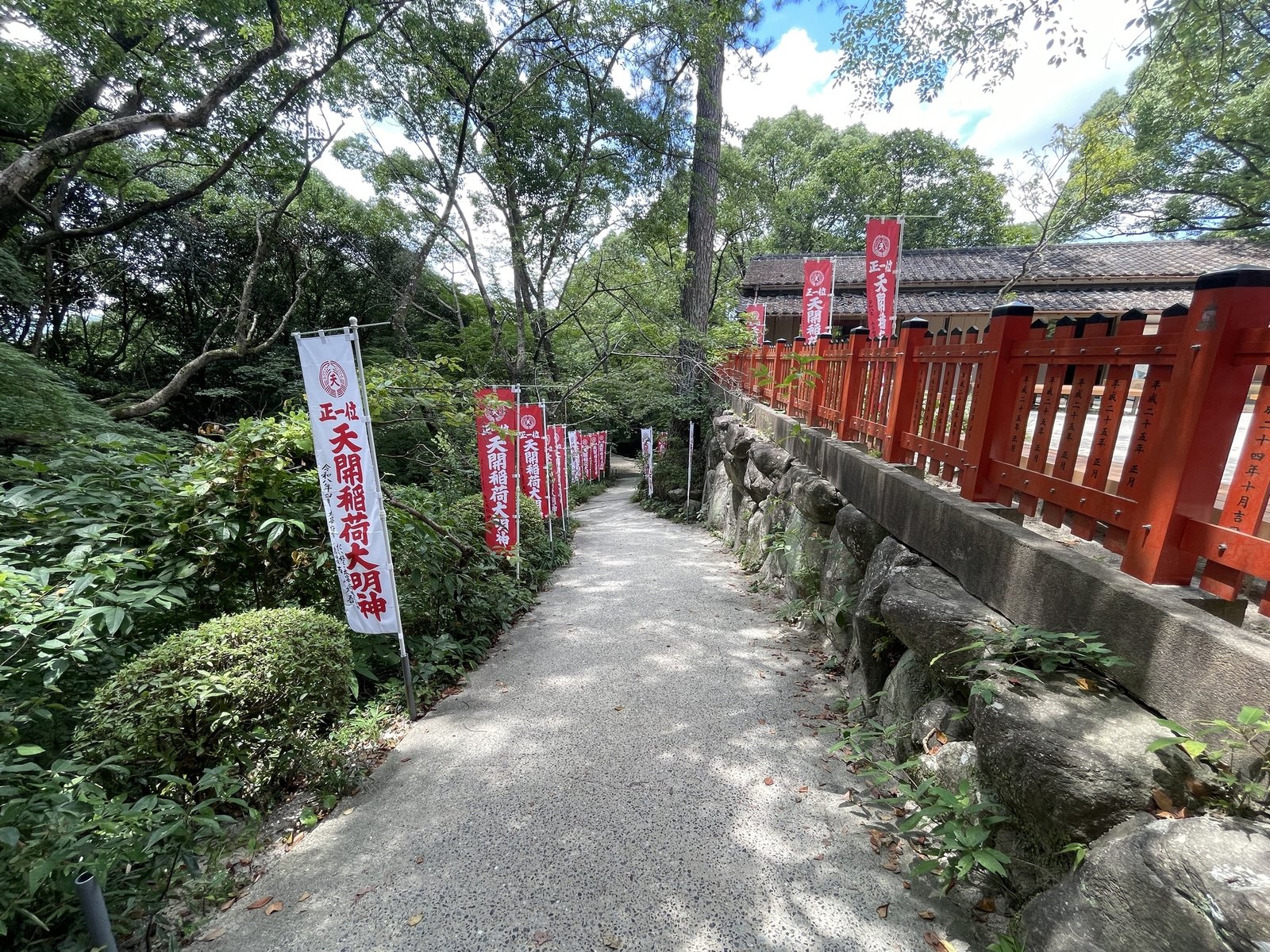
The same shrine page explains why oxen matter here. By the legend it tells, the ox pulling the carriage with Sugawara Michizane’s remains lay down in the road and would not move, and his followers buried him at that spot, over which the honden now stands. The page counts 11 ox statues, or shingyu, around the shrine today. It also describes the Shinji-ike pond and its three vermilion bridges, which represent past, present and future.
What to do: cross the three bridges and walk on to the honden. Where to verify: the shrine’s grounds page.
The tobiume
To the right of the honden stands the tobiume, or “flying plum,” which the shrine’s grounds page counts among its 6,000 plum trees (Dazaifu Tenmangu, Explore the Grounds). The page says Sugawara loved plum trees from childhood, and before leaving Kyoto for exile in Dazaifu he wrote a poem to his favourite tree, with the lines “Never forget the spring” and “Even though your master is no longer here.” By the legend, the tree could not bear to be parted from him, uprooted itself from the garden and flew to Dazaifu to be with him.
What to do: look to the right of the honden for the tobiume. Where to verify: the shrine’s grounds page.
Official sources
| Topic | Source | Checked |
|---|---|---|
| Honden, Important Cultural Property, designation date, building | Agency for Cultural Affairs database | 2026-11-11 |
| Honden, designation date | National designated cultural properties database | 2026-11-11 |
| Burial site, 1591 rebuilding | Fukuoka Prefecture cultural property database | 2026-11-11 |
| Honden, oxen, bridges, tobiume | Dazaifu Tenmangu, Explore the Grounds | 2026-11-11 |
| Hours, entry, walk, lockers, amulets | Dazaifu Tenmangu, FAQ | 2026-11-11 |
| Train times and fare | Nishitetsu timetable, Fukuoka (Tenjin) to Dazaifu | 2026-11-11 |
| Railway’s access guide | Nishitetsu, sightseeing page | 2026-11-11 |