Dassai, Iwakuni: The Company Overview, and the Brewer’s Own Account of Running It
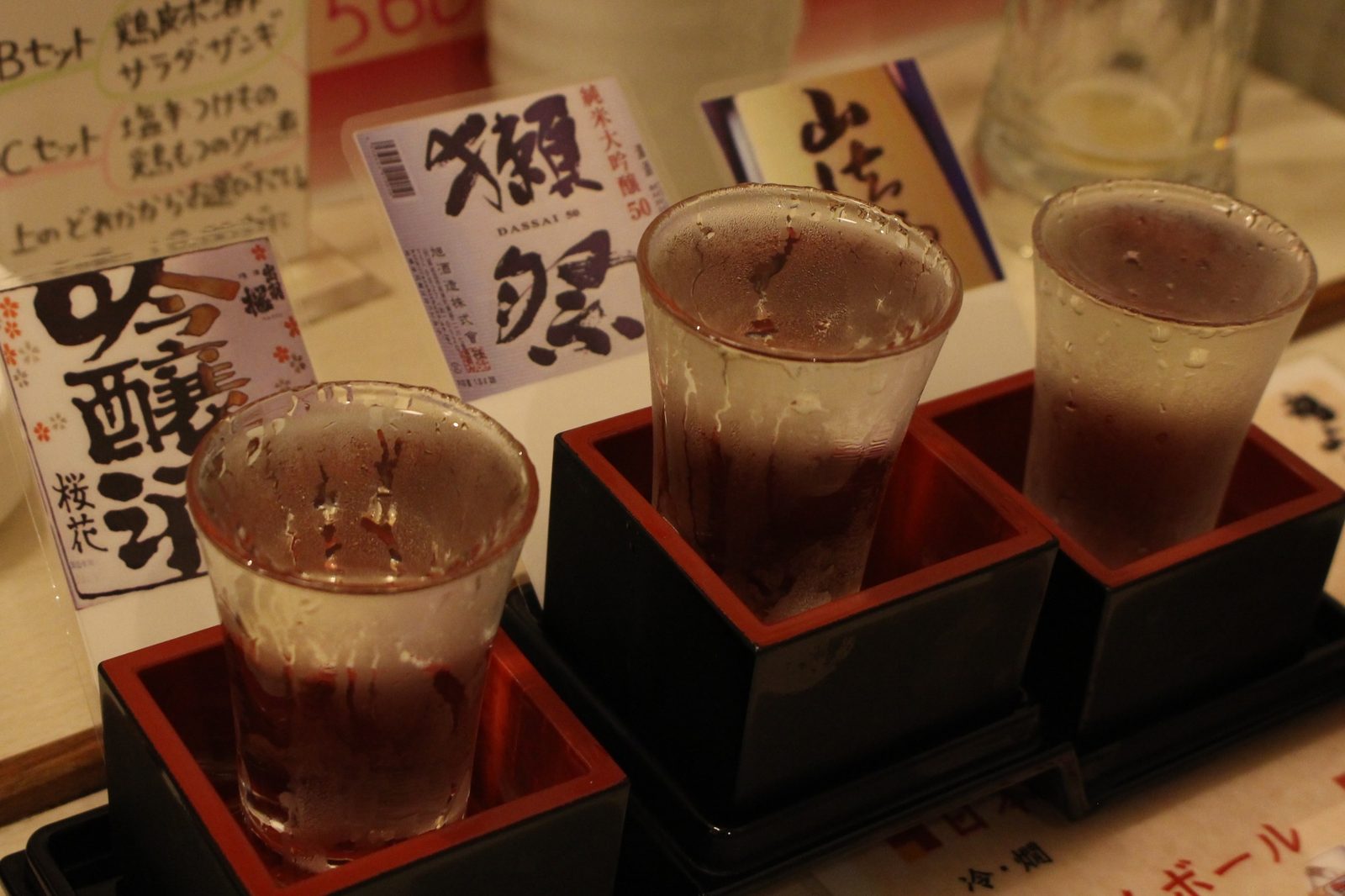
A bottle on a shelf says Dassai. The company behind it fits on a short list of rows: a name, a representative, an address with telephone and fax numbers, a website, a business line, a founding date and a capital figure. The longer story sits elsewhere on the same website, in a diary written by a member of the family, and it is his telling, not a set of audited records.
Who this is for: readers who have seen the Dassai name on a label or a menu and want to know who makes it, what the company’s own overview says, and how the family and the company describe its history and its way of working.
The short version: According to its company overview, 株式会社獺祭 is in Iwakuni City, Yamaguchi Prefecture. Its representative director is 桜井一宏, its business is making and selling Dassai, it gives its founding as 23 January 1948, and its capital is 10 million yen. A diary entry on the company’s website, displayed with the date 28 January 2025, says the company had resolved to change its name from 旭酒造株式会社 to 株式会社獺祭. The same diary, written by 桜井博志, tells a family story that begins with his own grandfather looking for work at a sake brewery, with dates from the 43rd year of the Meiji era onwards, and it gives sales figures that are the writer’s own account.
If you want to know this, then start here
| If you want to know… | Then… | Check |
|---|---|---|
| Who runs the company today | The company overview lists 桜井一宏 as representative director | The company overview |
| Where it is | Iwakuni City, Yamaguchi Prefecture | The company overview |
| Why the company decided to change its name | Read the brewer’s diary, vol. 573 | Diary vol. 573 |
| How the company describes its brewing | Read the About page | About Dassai |
What the company overview lists
The company overview gives these rows, as checked on 2026-11-07 and again on 2026-11-09:
- Name: 株式会社獺祭. The copyright line at the foot of the overview page reads ”© 2025 DASSAI Inc.”
- Representative: representative director 桜井一宏
- Location: Iwakuni City, Yamaguchi Prefecture. For the exact address, use the company overview.
- Business: making and selling Dassai
- Founded: 23 January 1948
- Capital: 10 million yen
The overview has no row for the title of 桜井博志, for the number of employees, or for whether the company has a toji (master brewer).
Where to check: the company overview, linked above and in the sources below.
The decision to change the name
In vol. 573 of the brewer’s diary on the company’s website, displayed with the date 28 January 2025, 桜井博志 writes that the company has resolved to change its name from 旭酒造株式会社 to 株式会社獺祭. The diary includes a greeting headed 23 January 2025, which ends by saying that the company will change its name and that the new name is 株式会社獺祭. The company overview, as checked on 2026-11-07 and 2026-11-09, gives the name as 株式会社獺祭. Neither page says when the change took legal effect.
In the same entry, he explains the decision by saying he expects the weight of overseas sales to keep growing. He writes that the change in customs procedures in each country was one of the reasons the change kept being put off.
The diary also gives his own figures. He writes that annual sales of 旭酒造 itself (the company under its former name) were 19.5 billion yen (195億円); that sales of 獺祭Blue were not added, because its fiscal period is different; that if the fiscal periods were the same, the combined Japan and US figure would be more than 20 billion yen; and that the phrase used symbolically inside the company is “aim for sales of 100 billion yen”. These are the diarist’s figures, written in a diary. They are not the company’s published financial statements.
He also lists plans and says the details of each are on the company’s website: a plan to build a new brewery; the opening of the Paris branch of a restaurant, in collaboration with a French chef; a one-night-only Dassai bar at the Academy Awards venue in Hollywood; a presentation and release at the Austria pavilion of the expo; and a planned release of a space-brewing project sake, aimed at human life on the Moon.
Where to check: diary vol. 573.
The family story, as the diary tells it
The company overview has no history section. The dates below come from the diary, in the writer’s own words.
In vol. 573, 桜井博志 writes that his grandfather, 桜井喜一, rented a sake brewery in the 43rd year of the Meiji era (明治43年) and began running it as 桜井酒場, with the brand 周東桜. In the 15th year of the Taisho era (大正15年) he bought the brewery, and the brewing licence was in 桜井喜一’s name. The diary says the business closed under the wartime consolidation of companies during the Pacific War.
In 1948, the diary continues, the business was revived as 旭酒造株式会社 together with his father, 桜井博治, who had come back from the war, and the brand became 旭富士. When the grandfather died in 1960, the father became the second president.
The writer says he returned to the brewery in 1976. He writes that he and his father clashed constantly and that, in the end, he was fired from the brewery; the two never mended things. His father died in 1984, and he succeeded him as the third president while he was still disowned. He writes that sales had fallen to a third over ten years. He then describes a move from 旭富士, an ordinary sake, to Dassai, a junmai daiginjo, and to the Tokyo market.
The company overview gives 23 January 1948 as the founding date; the diary tells of the rented brewery in the Meiji era before the 1948 revival.
Where to check: diary vol. 573.
Handing over in 2016
In vol. 405 of the diary, dated 12 October 2016, 桜井博志 writes that he is stepping down as president and representative director of 旭酒造株式会社 and will serve as chairman. He writes that his successor is his eldest son, 桜井一宏, then 39, who had been vice president and mainly in charge of overseas business. He writes that he had been president for 32 and a half years, since taking over in April 1984 after his father’s death.
In this entry the father’s name is written 桜井博冶; in vol. 573 it is written 桜井博治. The two entries use different characters, and which one is the registered form is not known from these pages.
The company overview, as checked on 2026-11-09, lists 桜井一宏 as representative director and has no row for a chairman, so the overview says nothing about whether 桜井博志 still holds that title.
Where to check: diary vol. 405 and the company overview.
How the company describes its work
The About page says the company has not aimed at sake made only to get drunk or only to sell, but at sake to taste and enjoy, and at sake to be enjoyed as one of the tools of daily life. It also says the company has no wish to become a “phantom sake” by simply being particular about its sake and not minding whether it sells.
Under the heading “Process”, the page says that rice brought into the brewery after polishing has lost a great deal of moisture to friction heat during polishing that lasts up to 144 hours, and that it is then kept for more than a month before it is washed. Under the heading “Dassai Artisans”, it says brewing is done by all of the company’s employees, rather than by relying on the intuition and experience of one toji.
A separate page on tema (effort, or the work something takes) says the company draws a line between itself and the view that, amid rationalisation, such effort looks like an obstacle. It says the staff’s skills rest on verification turned into data.
Where to check: About Dassai and the page on tema.
Why it is called Dassai
What you see is the brand name 獺祭, which the company gives with the reading dassai on its About page.
As for the reason, under the heading “Name-Brand” the company’s About page explains that the word comes from the way an otter lays the fish it has caught out on the bank, so that it looks as if it is holding a festival, and that it refers to spreading out many reference materials when writing poems or prose.
Where to see it: the explanation is on the company’s About page, under the heading “Name-Brand”.
General guides on this site
These guides are about sake labels in general:
Always follow the official pages linked below.
What we have not verified
- Which character in the father’s given name is the registered form; whether and when the new name took legal effect in the commercial register; the current title of 桜井博志; birth dates; the number of employees; whether any of the plans listed in the diary have happened, and what the company’s own pages on those plans say, as those pages were not opened; whether the diarist’s sales figures match any filing; whether the diary’s family dates match family or company registers; and whether the brewery takes visitors and how to reach it.
If you plan to visit, check the latest details on the official site: https://
Official sources
| Topic | Source | Checked |
|---|---|---|
| Company name, representative director, location (Iwakuni City), business, founding (23 January 1948), capital (10 million yen) | Company overview of 株式会社獺祭 (Japanese) | 2026-11-07; rechecked 2026-11-09 |
| The decision to change the name and the greeting headed 23 January 2025; the family story from the Meiji era to 1984; the diarist’s sales figures; the plans he lists | Brewer’s diary vol. 573, displayed date 28 January 2025 (Japanese) | 2026-11-07; rechecked 2026-11-09 |
| Stepping down as president to serve as chairman; the successor; the father’s name as written in this entry | Brewer’s diary vol. 405, dated 12 October 2016 (Japanese) | 2026-11-07; rechecked 2026-11-09 |
| Sake to taste and enjoy; brewing by all employees; polishing up to 144 hours; more than a month before washing; the meaning of the name | About Dassai (Japanese) | 2026-11-07; rechecked 2026-11-09 |
| Tema as the company’s own idea; skills resting on verification turned into data | Tema (Japanese) | 2026-11-07; rechecked 2026-11-09 |